


Eating disorders are serious psychiatric conditions frequently seen but often recognized late in children and adolescents. What you need to know about anorexia nervosa, bulimia, ARFID and body image issues with Doç. Dr. Mehtap Eroğlu in Ankara.
Eating Disorders in Children and Adolescents: A Comprehensive Diagnosis and Treatment Guide
Eating goes far beyond providing fuel for growth. Moments shared at the family table, birthday cakes, lunch breaks with school friends — all of these carry not just nutritional but emotional and social meaning. This is why, when a child's relationship with food becomes disturbed, it is not only the body that is affected; the child's psychology, family dynamics, and social life are also profoundly shaken. Eating disorders are serious psychiatric conditions that threaten both physical and mental health during childhood and adolescence and require early intervention.
**Assoc. Prof. Dr. Mehtap Eroğlu**, a specialist in child and adolescent psychiatry practicing in Ankara, emphasizes that early recognition of eating disorders and rapid access to appropriate treatment are of vital importance. Anorexia nervosa continues to carry the highest mortality rate among all psychiatric disorders; therefore, early intervention cannot be delayed. In clinical practice in Ankara, the number of eating disorder cases encountered each year is increasing, and this rise has accelerated particularly in the post-pandemic period.
In this article, we will comprehensively cover the types of eating disorders, their symptoms, risk factors, treatment approaches, and what families can do. The aim is to provide families in Ankara with a scientifically based, actionable, and hope-giving guide.
Key Points
- Eating disorders are not only about weight — they involve body image, the need for control, difficulty with emotional regulation, and perfectionism. An eating disorder may be present even when weight is normal.
- Boys and male adolescents can also experience eating disorders; muscle dysmorphia and excessive exercise are common presentations in males. This group is frequently overlooked.
- ARFID (Avoidant/Restrictive Food Intake Disorder) is defined by highly restricted eating without body image concerns and is increasingly recognized in school-age children.
- Eating disorders can lead to serious medical complications (cardiac arrhythmias, electrolyte imbalances, bone density loss); collaboration between psychiatric and medical teams is essential.
- Early evaluation with **Assoc. Prof. Dr. Mehtap Eroğlu** in Ankara can be life-saving.
Types of Eating Disorders
1. Anorexia Nervosa
Anorexia nervosa is one of the most dangerous psychiatric disorders, characterized by maintaining body weight below a healthy minimum, intense fear of gaining weight, and distorted body image. Two subtypes exist:
**Restricting type:** Weight loss achieved through food restriction and/or excessive exercise only.
**Binge-eating/purging type:** In addition to restriction, binge eating and purging behaviors (vomiting, laxatives) are also present.
**Physical symptoms:**
- Severely restrictive eating, complete rejection of certain food groups
- Progressive weight loss or failure to achieve expected weight gain during growth period
- Excessive exercise, intense fear of gaining weight
- Cold intolerance, lanugo (fine body hair growth)
- Hair loss, dry skin, brittle nails
- Cessation or irregularity of menstruation in adolescent girls (amenorrhea)
- Fainting, dizziness, low blood pressure, slow heart rate (bradycardia)
- Constipation, bloating, early satiety
- Fatigue, concentration difficulty, cognitive slowing
**Behavioral symptoms:**
- Breaking food into small pieces, moving food around the plate, pretending to eat
- Avoiding caloric drinks, choosing only water or diet beverages
- Hiding thinness with baggy clothing
- Enjoying cooking but not eating the food; feeding others
- Obsessively reading food labels
- Avoiding social meals
- Body-checking rituals: frequent weighing, constant mirror checking, measuring body dimensions
**Medical complications:** Electrolyte imbalances (especially low potassium), cardiac arrhythmias, QT prolongation, bone density loss (osteoporosis), kidney problems, brain atrophy, peripheral neuropathy. Anorexia has the highest mortality rate (5-10%) among psychiatric disorders.
2. Bulimia Nervosa
Bulimia nervosa is characterized by recurrent binge eating episodes followed by compensatory behaviors. It typically begins during adolescence and is detected later than anorexia because weight may be in the normal range.
**Symptoms:**
- Uncontrolled binge eating episodes: Consuming large quantities in short periods (typically within 2 hours). A feeling of "I cannot stop" dominates during episodes.
- Intense guilt, shame, and distress after eating
- Compensatory behaviors: Self-induced vomiting, laxative-diuretic use, excessive exercise, fasting
- Secret eating: Fear of being caught hiding or secretly eating food
- Weight may be in normal range or show slight fluctuations (making detection difficult)
- Dental enamel erosion (due to stomach acid), throat inflammation, swollen salivary glands (parotid hypertrophy)
- Calluses on the back of the hand (Russell's sign — from triggering vomiting)
- Facial puffiness, bloodshot eyes (post-purging)
- Depression, impulsivity, and self-harm may co-occur
3. Binge Eating Disorder (BED)
Recurrent binge eating episodes occur without regular compensatory behaviors. A sense of loss of control is prominent during episodes. In children, this is often triggered by stress, distress, loneliness, or emotional emptiness and may become associated with obesity over time. An increase in this pattern in children has been observed in Ankara, particularly in the post-pandemic period.
**Characteristics of BED:**
- Eating much more rapidly than normal
- Eating when not physically hungry
- Eating until uncomfortably full despite not being hungry
- Eating alone due to embarrassment about the amount consumed
- Feelings of disgust, guilt, and sadness after episodes
4. ARFID (Avoidant/Restrictive Food Intake Disorder)
Defined as a separate diagnosis in DSM-5 in 2013, ARFID differs fundamentally from anorexia and bulimia: there is **no** body image concern or fear of weight gain. The reason for dietary restriction is different:
**Three ARFID sub-profiles:**
1. **Sensory sensitivity profile:** Avoidance of foods with certain textures, smells, colors, or appearances. Statements like "I cannot eat soft foods" or "green foods make me nauseous" are typical.
2. **Fear of aversive consequences profile:** Restricting food variety due to fear of choking, vomiting, or stomachache. Usually begins after a negative experience during eating.
3. **Lack of interest/appetite profile:** General disinterest in food. Not noticing hunger signals or not enjoying eating.
**Common presentations in ARFID:**
- Eating only foods with specific colors, smells, or textures (typically limited to 5-15 foods)
- Refusal of unfamiliar foods (food neophobia)
- Inability to eat with peers at school cafeteria, social meal avoidance
- Growth delays, weight loss, or nutritional deficiencies (vitamin and mineral deficiencies)
- Family conflict and tension at mealtimes
ARFID is frequently associated with autism spectrum disorder and sensory processing differences. In Ankara, **Assoc. Prof. Dr. Mehtap Eroğlu** conducts comprehensive neuropsychiatric screening in ARFID evaluations, also assessing comorbidities such as autism, ADHD, and anxiety disorders.
5. Selective Eating vs. ARFID
Selective eating is a milder presentation than ARFID; the food repertoire is restricted, but growth and development are generally not affected and nutritional deficiency is absent. It is very common in preschool age (20-50%) and most children outgrow it. However, if it persists into school age, impairs social functioning, causes growth delay, or seriously affects family functioning, comprehensive evaluation is recommended.
**Selective eating vs. ARFID comparison:**
| Feature | Selective Eating | ARFID |
|---------|-----------------|-------|
| Growth | Normal | May be affected |
| Food variety | Restricted but sufficient | Very restricted, insufficient |
| Social impact | Mild | Significant |
| Nutritional deficiency | None | Possible |
| Need for intervention | Usually unnecessary | Required |
Body Image and Eating Disorders in Adolescents
The Critical Crossroads of Adolescence
Adolescence is the peak period of sensitivity to body image. Hormonal changes, a growing and changing body, development of secondary sexual characteristics, peer pressure, and the unrealistic beauty standards promoted by social media all make adolescents particularly vulnerable to eating disorders. In Ankara clinical practice, the 11-16 age range is observed to be the most critical period for eating disorders.
Body image disturbance is not simply "seeing oneself as fat." It encompasses complex emotional processes including obsessive focus on specific body parts (stomach, legs, arms), shame about bodily changes, and wanting to stop physical development. During this process, what the adolescent needs is not judgment but understanding and support.
The Impact of Social Media
Research shows that adolescents who use social media for more than 3 hours per day have significantly increased rates of body dissatisfaction and eating disorder risk. Filters, edited photos, and "ideal body" posts on Instagram, TikTok, and similar platforms create unrealistic standards. In Ankara's adolescent psychiatry practice, this has become an increasingly encountered problem.
**Mechanisms of social media's impact on eating disorders:**
- Social comparison: "Everyone is more beautiful/fit than me"
- "Thinspiration" and "fitspiration" content: Posts glorifying extreme thinness or muscularity
- Normalization of diet culture: Obsessive adoption of concepts like "detox" and "clean eating"
- Pro-ana and pro-mia communities: Online groups promoting anorexia and bulimia
Eating Disorders in Male Adolescents
Eating disorders are not only a problem for female adolescents. A different picture emerges in male adolescents:
- **Muscle dysmorphia (bigorexia):** Obsession with not being muscular enough. Constantly feeling "too thin" or "too small."
- **Excessive protein supplement use:** Consuming protein powder and creatine in amounts exceeding safe doses.
- **Steroid experimentation:** Risk of anabolic steroid use, especially among adolescent males attending gyms.
- **Excessive exercise:** Hours of muscle training daily, intense anxiety when missing a workout.
- **Disorders in weight-class sports:** Rapid weight loss/gain cycles in sports with weight categories such as wrestling, boxing, and judo.
This group is frequently missed by clinicians because the misconception that "boys don't get eating disorders" remains prevalent. **Assoc. Prof. Dr. Mehtap Eroğlu** pays special attention to male adolescent eating disorders in her Ankara practice.
Risk Factors
Eating disorders are not attributable to a single cause; within the biopsychosocial model framework, the combination of multiple risk factors is involved.
| Category | Risk Factors | Explanation |
|---|---|---|
| Biological | Genetic predisposition | Risk increases 7-12 times in first-degree relatives |
| Biological | Early puberty | Early physical development triggers body image issues |
| Biological | Brain serotonin systems | Serotonin imbalances affect appetite and mood regulation |
| Psychological | Perfectionism | Present in most children with eating disorders |
| Psychological | Low self-esteem | Feelings of physical inadequacy, social comparison |
| Psychological | Anxiety and depression | Frequently accompanies or triggers eating disorders |
| Psychological | Need for control | Attempting to control uncontrollable life situations through eating |
| Family | Overcontrolling parenting | Restricting child's autonomy |
| Family | Critical comments | Negative comments about body or weight within the family |
| Family | Parental eating problems | Transmission through modeling |
| Social | Social media | Unrealistic body standards |
| Social | Peer pressure | Diet pressure like "are you still eating bread?" |
| Social | Aesthetic sports | Sports like ballet, gymnastics, figure skating |
| Traumatic | Sexual abuse, harassment | Feeling of loss of control over the body |
| Traumatic | Bullying | Teasing about the body, exclusion |
| Traumatic | Early neglect | Failure to meet basic care needs |
Warning Signs: What Families Need to Notice
Eating disorders develop in secrecy; children and adolescents consciously hide symptoms. Warning signs that should prompt consultation with a child psychiatrist in Ankara include:
Changes in Eating Behavior - Avoiding meals or refusing to sit at the table - Spending long periods in the bathroom after eating (suspicion of purging) - Rapid weight loss or inability to gain weight during a growth period - Hiding food, throwing food away, or lying about eating - Obsessively counting calories or reading food labels at every meal - Suddenly establishing diet rules like "I am vegetarian" or "I have gluten sensitivity" - Excessive interest in cooking but not eating the food
Body Image Warning Signs - Constantly speaking negatively about the body: "I am so fat," "My legs are horrible" - Frequent weighing, prolonged mirror checking - Wearing baggy clothes (to hide thinness or weight changes) - Body measurement rituals
Physical and Medical Signs - Hair loss, dry skin, brittle nails - Cold intolerance, bluish discoloration of hands and feet - Fainting, dizziness, low blood pressure - Menstrual irregularity or cessation in adolescent girls - Dental enamel erosion, increased cavities (in bulimia) - Unexplained fatigue
Psychological Signs - Excessive exercise that cannot be stopped even when injured or ill - Repeatedly refusing social dinner invitations - Depression, anxiety, social isolation - Increased impulsivity, self-harm - Increased perfectionism
Treatment Approaches
Eating disorders must be treated by a multidisciplinary team: child psychiatrist, psychologist/psychotherapist, dietitian, and pediatrician/internist. In Ankara, Assoc. Prof. Dr. Mehtap Eroğlu assumes the coordination of this team.
Treatment for Anorexia Nervosa
**Family-Based Treatment (FBT/Maudsley Approach)**
This is the treatment with the strongest evidence base for anorexia nervosa in ages 12-18. Developed at Maudsley Hospital in the 1980s, this is a structured program that places the family at the center of treatment. It consists of three phases:
**Phase 1 — Weight Restoration:** Parents take full charge of the child's nutrition process. In this phase, parents assume the role of "fighting against the eating disorder." The family decides what, when, and how much the child will eat. This is the most challenging phase; however, regular sessions with Assoc. Prof. Dr. Mehtap Eroğlu's team in Ankara give families the strength to manage this process. The goal is to achieve a healthy weight.
**Phase 2 — Return of Autonomy:** As weight normalizes, autonomy in eating decisions is gradually returned to the child. This transition occurs carefully and in a structured manner.
**Phase 3 — Consolidating Healthy Adolescent Identity:** Adolescent issues beyond the eating disorder (identity development, peer relationships, autonomy) are addressed.
FBT's effectiveness has been demonstrated in randomized controlled trials; full recovery rates at 12 months are 40-50%, reaching 75-80% when partial recovery is included.
**Individual Therapy Approaches:**
- **Enhanced CBT (CBT-E):** Used for adolescents over 16 and in cases not responding to FBT.
- **Dialectical Behavior Therapy (DBT):** In cases where emotion regulation difficulty is prominent.
- **Motivational interviewing:** To increase motivation for change in treatment-resistant adolescents.
**Hospitalization** is required in: Severe malnutrition (below 75% of ideal weight), electrolyte disorders, cardiac instability (bradycardia, QT prolongation), suicide risk, non-response to outpatient treatment. In Ankara, the necessary referral network for these situations is coordinated by **Assoc. Prof. Dr. Mehtap Eroğlu**.
Treatment for Bulimia Nervosa
- **Cognitive Behavioral Therapy for Eating Disorders (CBT-BN/CBT-E):** The most effective treatment method. Core program components include:
- Establishing a regular eating pattern (3 main meals + 2-3 snacks)
- Identifying binge triggers and developing alternative coping strategies
- Breaking the binge-purge cycle
- Working with body image distortions
- Flexibilizing diet rules
- **Dialectical Behavior Therapy (DBT):** Developing emotional regulation skills, increasing distress tolerance, building interpersonal effectiveness skills.
- **Interpersonal Therapy (IPT):** Addresses eating disorders indirectly by focusing on relationship issues.
- **Medication:** Fluoxetine (Prozac) is the only FDA-approved medication for bulimia. At 60 mg/day, it can reduce binge and purge frequency by 50-70%. In Ankara, Assoc. Prof. Dr. Mehtap Eroğlu always evaluates medication in conjunction with psychotherapy.
Treatment for ARFID
ARFID treatment requires a different approach from other eating disorders because body image anxiety is absent:
- **Sensory integration therapy:** Gradual sensory exposure to reduce sensory sensitivity.
- **Graduated exposure:** Progressive introduction to new foods. The "food chaining" approach expands from accepted foods to similar ones.
- **SOS Approach (Sequential Oral Sensory):** Staged progression: visual examination of food → touching → smelling → tasting → eating.
- **Parent education and home strategies:** Not creating pressure at the dinner table, repeated presentation (research shows 15-20 presentations may be needed for a food to be accepted).
- **Nutritional support:** Collaboration with dietitian, vitamin and mineral supplementation when needed.
- **CBT (for fear-based ARFID):** Exposure protocols for fear of choking or vomiting.
Treatment for Binge Eating Disorder
- CBT-based intervention (eating pattern, trigger management, emotion regulation)
- DBT skills (distress tolerance, mindful awareness)
- Nutritional counseling
- Physical activity planning (enjoyable movement rather than punitive exercise)
Common Principles for All Eating Disorders
- Minimizing body-focused conversations (emphasizing health and energy rather than weight)
- Not turning the meal table into a battlefield — mealtime is a time for family connection
- Keeping family meals social and enjoyable
- Avoiding labeling (good food/bad food)
- All family members avoiding negative talk about bodies
- Not normalizing dieting and weight control
Comprehensive Evaluation with Assoc. Prof. Dr. Mehtap Eroğlu
**Assoc. Prof. Dr. Mehtap Eroğlu** follows this comprehensive evaluation process with families presenting in Ankara with suspected eating disorders:
Evaluation Steps
1. **Comprehensive psychiatric interview (60-90 minutes):** Eating habits, body image perception, triggers, weight history, diet history, exercise routine, mood, and social functioning are evaluated in detail. Separate interviews are conducted with the child/adolescent and parents.
2. **Medical evaluation referral:** Coordinated follow-up with pediatrician or internist is initiated. Blood tests (complete blood count, electrolyte panel, thyroid function, iron-ferritin, vitamin D, B12), ECG, and bone density measurement (when needed) are ordered.
3. **Psychometric tools:**
- EDE-Q (Eating Disorder Examination Questionnaire)
- EAT-26 (Eating Attitudes Test)
- ARFID scales (Nine Item ARFID Screen)
- BSQ (Body Shape Questionnaire)
- Depression and anxiety scales
4. **Family assessment:** Family dynamics, meal environment, parental attitudes, and intra-family communication patterns are examined.
5. **Multidisciplinary treatment plan:** Coordination with psychologist, dietitian, and hospital team when needed is established. Treatment intensity (outpatient, partial hospitalization, or inpatient) is determined.
At the centrally located clinic in Ankara, appropriate session scheduling is provided for both child and adolescent cases. Assoc. Prof. Dr. Mehtap Eroğlu coordinates regular medical monitoring throughout treatment to safeguard both the physical and mental health of your child.
Family Guide: What To Do and What To Avoid
What to Do
**First step: Share your concerns calmly and non-judgmentally.**
"As someone who loves you, I want to talk with you. I have noticed some changes related to food recently and I am concerned about your health." This approach minimizes the child becoming defensive.
**Avoid viewing the eating disorder as a matter of willpower.**
Approaches like "they'd eat if they wanted" or "they'll eat when they're hungry" are extremely harmful. Eating disorders are complex psychiatric conditions; they are not a lack of willpower.
**Seek professional help.**
Eating disorders generally do not resolve through family pressure alone or through "force-feeding." On the contrary, inappropriate interventions can worsen the condition. Early evaluation with Assoc. Prof. Dr. Mehtap Eroğlu in Ankara is critically important.
**Do not neglect medical follow-up.**
Eating disorders can lead to serious physical complications. Regular blood tests, heart rhythm monitoring, and nutritional status assessment are necessary.
**Adopt body positivity as a family.**
Do not talk negatively about bodies or weight at home — not even about your own body. Children model their parents' attitudes.
**Keep mealtimes enjoyable.**
Do not discuss calories, weight, or portions at the table. Preserve mealtime as a time for social sharing.
What to Avoid
- Avoid judgmental comments like "Just eat a little more and you will be fine" or "Do you want to be thin that badly?"
- Do not discuss weight and bodies at the dinner table — do not comment about any family member's body.
- Do not use food as a reward or punishment: "If you finish your homework, we will get ice cream" or "No dinner for you if you misbehave."
- Do not dismiss the disorder with "you are overreacting" or "they will eat when they are hungry."
- Do not control the child's plate or force them to eat (outside of FBT protocol).
- Avoid comparisons like "When I was your age, I ate everything."
- Avoid trust-damaging behaviors like secretly locking up food or throwing food away.
Treatment Process and Prognosis
Treatment of eating disorders takes time; quick miracle solutions should not be expected. Average treatment durations:
- **Anorexia nervosa:** 12-24 months with FBT (longer in some cases)
- **Bulimia nervosa:** 16-20 sessions with CBT (4-5 months)
- **ARFID:** 6-12 months (varies according to degree of sensory sensitivity)
- **BED:** 12-16 sessions of CBT
Regarding prognosis, early intervention is the strongest predictor. Recovery rates are significantly higher in cases where the time from symptom onset to treatment access is under 3 years. Early evaluation with Assoc. Prof. Dr. Mehtap Eroğlu in Ankara is therefore critically important.
Conclusion
Eating disorders are complex yet treatable conditions that simultaneously affect the body, mind, and mental health. Ranging from anorexia nervosa, one of the most dangerous psychiatric disorders, to the increasingly recognized ARFID, these disorders can be substantially improved through a multidisciplinary and science-based approach.
**Assoc. Prof. Dr. Mehtap Eroğlu**, who has expertise in this field in Ankara, properly evaluates your child's or adolescent's eating disorder and prepares a comprehensive treatment plan. An eating disorder is a process that affects not only the child but the entire family; therefore, the treatment plan always includes the family.
If you have noticed concerning changes in your child's eating, we recommend visiting our Ankara clinic without delay. **Assoc. Prof. Dr. Mehtap Eroğlu** and the multidisciplinary team she coordinates are ready to take the right steps together — for both your child and your family.
*An eating disorder is not a character weakness — and you do not have to face it alone.*
Frequently Asked Questions
Yeme bozukluğu mu, seçici yeme mi? Farkı nedir?
Seçici yeme belirli besinleri reddetme eğilimidir, büyüme ve gelişimi genellikle etkilemez, pek çok çocuk zamanla aşar. ARFID ise beslenme repertuarının çok daralması ve büyüme, beslenme yetersizliği veya sosyal işlevsellik üzerinde belirgin olumsuz etki yaratması durumudur. Anoreksiya ise beden imgesi bozukluğu ve yoğun kilo korkusunun eşlik ettiği farklı bir tablodur. Doğru ayrımı Ankara'da bir çocuk psikiyatristi olan Doç. Dr. Mehtap Eroğlu yapmalıdır.
Kızım çok az yiyor ama doktor kilo normal diyor. Yine de endişelenmeli miyim?
Evet. Bulimiya nervozada kilo normal aralıkta olabilir. Kilo kaybı olmadan da beden imgesi bozukluğu, kısıtlayıcı yeme, binge-purge davranışları ve zihinsel sıkıntı mevcut olabilir. Kilo tek başına yeme bozukluğunu dışlamaz. Davranışsal ve psikolojik belirtilere dikkat edin. Ankara'da Doç. Dr. Mehtap Eroğlu kapsamlı değerlendirme ile tabloyu netleştirebilir.
Erkek çocuklarda da yeme bozukluğu görülür mü?
Kesinlikle. Erkek ergenlerde yeme bozukluğu oranı %1-3'tür ve bu oran artış eğilimindedir. Kilo kaybından ziyade kas kütlesi elde etme takıntısı, aşırı protein takviyesi kullanımı, steroid deneme eğilimi ve kas dismorfisi daha sık görülen tablolardır. Bu grup klinisyenler tarafından sıklıkla gözden kaçmaktadır. Ankara'da Doç. Dr. Mehtap Eroğlu erkek ergen yeme bozukluklarına özel dikkat göstermektedir.
ARFID otizmle ilişkili midir?
ARFID, otizm spektrum bozukluğu (OSB) olan çocuklarda daha sık görülmektedir; ancak ARFID olan her çocuk otistik değildir. OSB ile birlikte görülen duyusal hassasiyetler ARFID tablosunu şiddetlendirebilir. Doğru tanı için kapsamlı nöropsikiyatrik değerlendirme önemlidir. Ankara'da Doç. Dr. Mehtap Eroğlu ARFID değerlendirmesinde otizm taramasını da yapmaktadır.
Çocuğumun yeme bozukluğu için hastaneye yatırılması gerekiyor mu?
Hastane yatışı şu durumlarda gereklidir: Ağır malnütrisyon (ideal kilonun %75'in altı), elektrolit bozukluğu, kardiyak komplikasyonlar (bradikardi, QT uzaması), intihar riski veya ayaktan tedaviye yanıtsızlık. Hafif-orta olgularda ayaktan tedavi mümkündür. Ankara'da Doç. Dr. Mehtap Eroğlu bu kararı gerekli tıbbi değerlendirmelerle birlikte verir.
Aile Tabanlı Tedavi (Maudsley) nedir ve nasıl işler?
Maudsley yaklaşımı, ailenin tedavinin merkezine alındığı, randomize kontrollü çalışmalarla etkinliği kanıtlanmış bir anoreksiya tedavisidir. Birinci aşamada ebeveynler beslenmeyi yönetir ve kontrolü üstlenir. İkinci aşamada kilo normalleştikçe özerklik çocuğa iade edilir. Üçüncü aşamada sağlıklı ergen kimliği pekiştirilir. 12-18 yaş için en güçlü kanıta sahip yaklaşımdır. Ankara'da Doç. Dr. Mehtap Eroğlu bu programı uygulamaktadır.
Sosyal medya gerçekten yeme bozukluğuna yol açar mı?
Sosyal medya tek başına neden değildir; ancak beden imgesi kaygılarını pekiştiren önemli bir çevresel risk faktörüdür. Araştırmalar, günde 3 saatten fazla sosyal medya kullanan ergenlerde beden memnuniyetsizliği ve yeme bozukluğu riskinin belirgin şekilde arttığını göstermektedir. Filtreler, düzenlenmiş fotoğraflar ve ideal beden paylaşımları gerçekçi olmayan standartlar oluşturmaktadır.
Ankara'da yeme bozukluğu için nereye başvurmalıyım?
Çocuk ve ergen psikiyatristi Doç. Dr. Mehtap Eroğlu, Ankara'da anoreksiya, bulimiya, ARFID ve diğer yeme bozuklukları için kapsamlı psikiyatrik değerlendirme ve multidisipliner tedavi koordinasyonu sunmaktadır. Diyetisyen, psikolog ve tıbbi ekiple birlikte bütüncül bir tedavi planı oluşturulmaktadır. Randevu için iletişim sayfamızdan bize ulaşabilirsiniz.
References
- Lock J, Le Grange D. (2013). Treatment Manual for Anorexia Nervosa: A Family-Based Approach (2nd ed.).. Guilford Press
- Fairburn CG, Cooper Z, Shafran R. (2003). Cognitive behaviour therapy for eating disorders: a transdiagnostic theory and treatment.. Behaviour Research and Therapy, 41(5), 509-528. doi:10.1016/S0005-7967(02)00088-8
- Fisher MM, Rosen DS, Ornstein RM, et al. (2014). Characteristics of avoidant/restrictive food intake disorder in children and adolescents: a new disorder in DSM-5.. Journal of Adolescent Health, 55(1), 49-52. doi:10.1016/j.jadohealth.2013.11.013
- Herpertz-Dahlmann B. (2015). Adolescent eating disorders: update on definitions, symptomatology, epidemiology, and comorbidity.. Child and Adolescent Psychiatric Clinics of North America, 24(1), 177-196. doi:10.1016/j.chc.2014.08.003
- Arcelus J, Mitchell AJ, Wales J, Nielsen S. (2011). Mortality rates in patients with anorexia nervosa and other eating disorders.. Archives of General Psychiatry, 68(7), 724-731. doi:10.1001/archgenpsychiatry.2011.74
- Thomas JJ, Lawson EA, Micali N, et al. (2017). Avoidant/restrictive food intake disorder: a three-dimensional model of neurobiology with implications for etiology and treatment.. Current Psychiatry Reports, 19(8), 54. doi:10.1007/s11920-017-0795-5
- Nicholls DE, Lynn R, Viner RM. (2011). Childhood eating disorders: British national surveillance study.. British Journal of Psychiatry, 198(4), 295-301. doi:10.1192/bjp.bp.110.081356
- Hay P, Chinn D, Forbes D, et al. (2014). Royal Australian and New Zealand College of Psychiatrists clinical practice guidelines for the treatment of eating disorders.. Australian and New Zealand Journal of Psychiatry, 48(11), 977-1008. doi:10.1177/0004867414555814
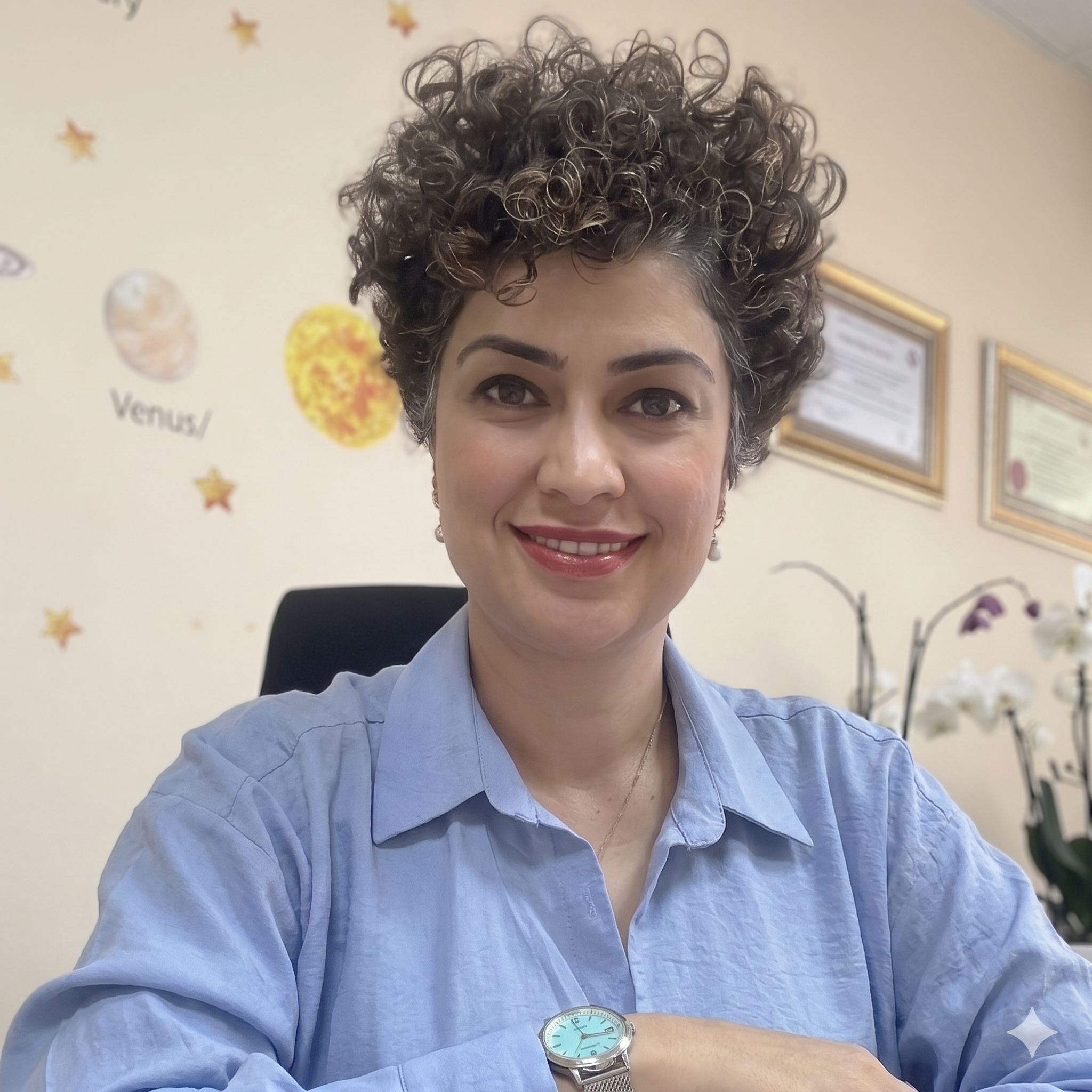
Doç. Dr. Mehtap Eroğlu
Associate Professor, Child and Adolescent Psychiatrist. Over 15 years of clinical experience. Ankara University Faculty of Medicine graduate.
View Full ProfileRelated Articles

Peer Bullying: Is Your Child Being Bullied? A Comprehensive Guide

What Does an Adolescent Psychiatrist Do? Mental Health in Adolescence

Adolescent Peer Relationship Counseling: A Comprehensive Guide for Parents

Sleep Disorders in Children: Diagnosis, Causes and Treatment Guide

Childhood Anxiety Disorder Specialist and Treatment Approaches: 2026 Guide