
Trichotillomania is an impulse control disorder in children and adolescents characterized by compulsive pulling of hair, eyebrows or eyelashes. Early diagnosis, habit reversal training and comprehensive treatment planning with Assoc. Prof. Dr. Mehtap Eroğlu in Ankara.
Trichotillomania in Children: A Comprehensive Guide to Hair, Eyebrow and Eyelash Pulling
When you notice unexplained thinning patches in your child's hair, diminished eyebrows, or missing eyelashes, the anxiety you feel is entirely understandable. Perhaps a teacher reported that your child constantly plays with their hair during lessons, or perhaps you spotted clumps of hair in the bathroom. As a child psychiatrist in Ankara, the question families most frequently ask me when they encounter this presentation is: "Doctor, why is my child pulling out their hair? Is this just a habit, or is it a serious problem?"
In this guide, I want to equip you with both scientific knowledge and practical direction. Contrary to what many families believe, trichotillomania is not a simple habit but a treatable disorder with neuropsychological foundations. As Doç. Dr. Mehtap Eroğlu, through the clinical work I conduct in Ankara, I have experienced time and again that a different story lies behind each child's pulling behavior, and therefore every treatment plan must be uniquely designed.
Key Points
- Trichotillomania most commonly begins between ages 9 and 13 in children, though it can appear even in infancy; early-onset cases (under age 5) generally carry a better prognosis.
- It is diagnosed 3-4 times more frequently in girls than in boys; however, the true prevalence in boys may be underreported due to shame and concealment behaviors.
- Pulling behavior most often occurs automatically (unconsciously) — the child may pull hair without awareness while watching television, studying, or lying in bed.
- Left untreated, it can become chronic and lead to significant social isolation, low self-esteem, depression, and academic failure.
- Habit Reversal Training (HRT) and Cognitive Behavioral Therapy (CBT) are the most effective evidence-based treatment methods; pharmacotherapy is considered only as adjunctive support.
- In Ankara, Doç. Dr. Mehtap Eroğlu provides comprehensive evaluation and evidence-based treatment planning.
What Is Trichotillomania? Definition and DSM-5 Criteria
Trichotillomania is an impulse-control and obsessive-compulsive spectrum disorder characterized by recurrent pulling out of one's hair from the scalp, eyebrows, eyelashes, or other body areas. In the DSM-5 classification, it falls under the category of "Obsessive-Compulsive and Related Disorders."
DSM-5 Diagnostic Criteria
According to DSM-5, the following criteria must be met for a diagnosis of trichotillomania:
**A.** Recurrent pulling out of one's hair, resulting in hair loss.
**B.** Repeated attempts to decrease or stop hair pulling.
**C.** The hair pulling causes clinically significant distress or impairment in social, occupational, or other important areas of functioning.
**D.** The hair pulling or hair loss is not attributable to another medical condition (e.g., a dermatological condition).
**E.** The hair pulling is not better explained by the symptoms of another mental disorder (e.g., attempts to improve a perceived flaw in appearance in body dysmorphic disorder).
In my clinical practice in Ankara, I also monitor children who do not fully meet these criteria but display subthreshold hair pulling, because this behavior can progress to a full clinical presentation over time. As Doç. Dr. Mehtap Eroğlu in Ankara, I emphasize to families that even if diagnostic criteria are not fully met, seeking evaluation when noticeable hair pulling is observed is the right course of action.
Automatic and Focused Pulling: Two Distinct Styles
Trichotillomania research has identified two fundamental pulling styles:
**Automatic (Unconscious) Pulling:** The child is unaware of the pulling behavior. They automatically touch and pull their hair or eyebrows while watching television, reading, studying, or sitting in a car. Parents most often notice this behavior before the child does. In my evaluations in Ankara, I observe that a significant proportion of children report "I did not even realize I was pulling."
**Focused (Conscious) Pulling:** The child experiences a tension or urge and consciously turns to the pulling act to alleviate this tension. A brief sense of relief or satisfaction is experienced after pulling. This type is more commonly seen in adolescents, and teaching emotion regulation skills takes precedence in treatment.
Many patients exhibit both types simultaneously. As Doç. Dr. Mehtap Eroğlu in Ankara, identifying the pulling type during evaluation is a critical step in shaping the treatment plan.
Symptoms of Trichotillomania
Physical Symptoms
The most visible physical sign of trichotillomania is irregular hair loss areas. Unlike alopecia, hair loss typically appears in patches along the pulling pathway. When hair roots are examined, hairs of varying lengths growing back (because pulling is continuously repeated) emerge as a characteristic finding. In my clinical observations in Ankara, I identify the following physical signs in children:
- Sparse or completely bald patches in specific areas of the scalp; the hairline, crown, and sides are most commonly affected
- Thinned or completely absent eyebrows and eyelashes
- Signs of hair pulling from arms, legs, or pubic areas
- Redness, irritation, or folliculitis development in pulled areas
- Chewing or swallowing pulled hair (trichophagia); this can create a hairball (trichobezoar) in the gastrointestinal tract and lead to serious surgical complications — known as Rapunzel syndrome, this is a rare but life-threatening complication
- Calluses or wounds on fingers from repetitive pulling actions
Behavioral Symptoms
- Touching hair, eyebrows, or eyelashes during tension, boredom, or stress
- Examining, feeling the root of, twisting, or placing pulled hair between the lips or teeth
- Increasing internal tension before pulling, temporary relief during or after pulling
- Attempts to conceal the behavior through hats, bandanas, headbands, sunglasses, or makeup
- Avoidance of school, peer environments, or social gatherings
- Developing pulling rituals in front of mirrors
- "Targeting" specific hairs (curly, differently textured, or gray hairs)
- Using tools such as tweezers, hair clips, or other objects for pulling
Cognitive and Emotional Symptoms
In my clinical practice in Ankara, I frequently observe the following cognitive and emotional patterns in children experiencing trichotillomania:
- A cycle of shame, guilt, and frustration: the child feels ashamed of the pulling behavior, becomes angry at themselves for not stopping, this anger creates more tension and triggers pulling
- Low self-esteem and negative body image
- Intense but unsuccessful efforts to stop: "I will never do it again" promises followed by repeated failure
- Co-occurring anxiety symptoms: test anxiety, separation anxiety, social anxiety
- Depressive symptoms: loss of interest, reduced energy, sleep disturbance
- Perfectionism and need for control
Causes and Risk Factors of Trichotillomania
Neurobiological Factors
Research indicates that trichotillomania is associated with imbalances in dopamine, serotonin, and glutamate systems. Disrupted connectivity between the frontal lobe and basal ganglia creates a neurological substrate that impairs impulse control. Neuroimaging studies have identified differences in motor inhibition activation patterns in affected individuals. Volume changes in the striatum and cerebellum have been particularly reported.
When I share this information with families in Ankara, the most common reaction I receive is relief: "So our child is not doing this on purpose." Indeed, trichotillomania is not a weakness of willpower or a character flaw; it is a disorder with neurobiological foundations that requires treatment. As Doç. Dr. Mehtap Eroğlu in Ankara, I particularly emphasize this point in clinical consultations.
Genetic Predisposition
First-degree relatives of individuals with trichotillomania show higher rates of OCD, tic disorders, and other body-focused repetitive behaviors (skin picking, nail biting) than the general population. Twin studies have reported heritability estimates of 38-77% for trichotillomania. The SAPAP3 and SLITRK1 genes have been linked to trichotillomania susceptibility.
In family evaluations in Ankara, Doç. Dr. Mehtap Eroğlu systematically explores family psychiatric history. A history of nail biting, skin picking, or hair pulling in parents or siblings provides an important diagnostic clue.
Psychological Triggers
In cases I encounter in Ankara, the most common psychological factors triggering pulling behavior include:
- Academic pressure and test anxiety: pulling behavior can markedly increase during exam periods, particularly in perfectionistic children
- Peer bullying or social exclusion: bullying intensifies the vicious cycle in a child already engaging in pulling behavior
- Family conflict or parental separation: tension in the home environment increases the child's stress level
- Traumatic experiences: physical, emotional, or sexual abuse
- Transition periods: school change, relocation, birth of a sibling
- Loneliness and boredom: particularly in the automatic pulling type
Environmental and Developmental Factors
- High-stress environments that disrupt impulse control development
- Prolonged failure to detect the behavior or inadvertent reinforcement
- Stimulation-seeking and passive hand movement habits associated with screen dependency
- Sensory processing differences: some children derive sensory satisfaction from the feeling of hair being pulled from its root
Differentiating Trichotillomania from Other Conditions
Accurate diagnosis is the fundamental step toward effective treatment. As Doç. Dr. Mehtap Eroğlu in Ankara, I systematically evaluate the following conditions in differential diagnosis:
| Condition | Similarity | Key Difference |
|---|---|---|
| Alopecia Areata | Hair loss | Dermatological, autoimmune origin; exclamation-mark appearance at hair roots |
| OCD | Compulsive behavior | Obsession (thoughts) predominate in OCD; impulse and sensory gratification in trichotillomania |
| Excoriation Disorder | Impulse control | Skin is targeted through scratching with nails or tools |
| Stereotypic Movement Disorder | Repetitive motor act | Generally accompanied by developmental delay, unconsciousness predominates |
| Tic Disorder | Repetitive movement | Involuntary, sudden, and stereotypic in nature |
| Alopecia Totalis | Widespread hair loss | Autoimmune pathology, diffuse shedding rather than patches |
In some cases I encounter in Ankara, alopecia areata and trichotillomania can coexist, complicating the diagnosis and requiring multidisciplinary evaluation. Doç. Dr. Mehtap Eroğlu actively collaborates with dermatologists in Ankara when necessary.
Diagnostic Process
Diagnosing trichotillomania requires a comprehensive psychiatric and medical evaluation. At Doç. Dr. Mehtap Eroğlu's clinic in Ankara, the assessment process consists of the following stages:
1. Comprehensive Clinical Interview (45-60 minutes)
Structured interviews with both the child and parents separately explore the onset of the behavior, its frequency, triggers, pulling sites, and impact on the child's daily life. In our first consultation in Ankara, establishing a trusting relationship with the child is our priority; due to shame, children may initially deny the behavior. As Doç. Dr. Mehtap Eroğlu, I support the child's opening up by creating an empathic and nonjudgmental environment.
Standardized tools are utilized:
- Massachusetts General Hospital Hairpulling Scale (MGH-HPS)
- NIMH Trichotillomania Severity Scale
- Milwaukee Inventory for Subtypes of Trichotillomania (to determine pulling type)
2. Dermatological Assessment
When necessary, collaboration with dermatology is pursued to rule out underlying dermatological causes of hair loss. Trichoscopy supports the diagnosis; broken hairs, newly emerging hairs of varying lengths, and intact follicles are findings favoring trichotillomania. In Ankara, Doç. Dr. Mehtap Eroğlu arranges dermatology consultations when diagnostic uncertainty exists.
3. Comprehensive Comorbidity Screening
Trichotillomania rarely presents as an isolated disorder. In my clinical experience in Ankara, the vast majority of patients have at least one comorbid condition:
- OCD (13-27% comorbidity rate)
- Major Depression (39%)
- Generalized Anxiety Disorder
- Social Anxiety Disorder
- ADHD
- Excoriation (skin-picking) disorder
- Onychophagia (nail biting)
- Tic disorders
In Ankara, Doç. Dr. Mehtap Eroğlu identifies comorbid conditions fully and develops an integrated treatment plan. Failure to treat comorbid conditions significantly limits the success of trichotillomania treatment.
4. Developmental and Family Assessment
In our consultations in Ankara, developmental milestones, family structure, parental relationships, stress sources, and the child's overall adjustment level are comprehensively evaluated. A family history of OCD, tic disorders, or body-focused repetitive behaviors is systematically explored.
Treatment Approaches
Habit Reversal Training (HRT)
HRT is recognized as the gold standard treatment for trichotillomania. Research shows that 50-70% of patients treated with HRT achieve significant symptom reduction. It consists of three core components:
**1. Awareness Training**
The child learns to recognize when, where, in what emotional state, and with what bodily sensations the pulling behavior occurs. Triggers, pre-pulling sensory cues (itching, tension, tingling), and accompanying emotions are mapped in detail. In our sessions in Ankara, we initiate "pulling diaries" with children; these diaries both increase awareness and help track treatment progress.
**2. Competing Response Training**
When the urge to pull is felt or automatic pulling is noticed, an alternative motor behavior is engaged. The competing response must be incompatible with pulling and sustainable for at least one minute:
- Clenching fists and pressing on the knee
- Clasping hands together
- Squeezing a stress ball
- Folding arms
- Keeping hands flat on a surface
In our therapies in Ankara, we collaboratively identify practical competing responses suited to the child's age and daily routine. As Doç. Dr. Mehtap Eroğlu, I observe that the child's active participation in this step increases treatment adherence.
**3. Social Support**
Parents are trained to provide gentle reminders without punishing or shaming. Instead of verbal warnings, pre-agreed covert signals (winking, touching the shoulder) are used. A supportive and compassionate home environment is an integral part of treatment.
Comprehensive Behavioral Treatment (ComB)
The ComB approach extends HRT by targeting five distinct dimensions of pulling behavior:
1. **Sensory dimension:** Meeting the sensory gratification derived from pulling through alternative means (textured toys, hair brushing)
2. **Cognitive dimension:** Challenging permission-granting thoughts ("what if I pull just one")
3. **Affective dimension:** Regulating emotions such as distress, boredom, and anxiety through alternative methods
4. **Motor dimension:** Restructuring hand and finger habits
5. **Setting dimension:** Managing high-risk environments (bed, couch, car) and times (evening, study time)
Among clinicians in Ankara, Doç. Dr. Mehtap Eroğlu applies the ComB protocol in an individualized manner tailored to the child's age and pulling profile.
Cognitive Behavioral Therapy (CBT)
CBT addresses the thought patterns and emotional triggers that maintain pulling behavior:
- Challenging dysfunctional beliefs about pulling: "This hair is different, I need to pull it," "Just one won't hurt"
- Building emotion regulation skills: alternative coping methods for anxiety, boredom, and tension
- Problem-solving and coping strategies
- Cognitive restructuring: breaking the shame and guilt cycle associated with pulling behavior
- Relapse prevention planning: steps to follow if pulling resumes during stressful periods
In Ankara, Doç. Dr. Mehtap Eroğlu applies CBT adapted to the child's developmental level. Play therapy components are added for younger children, while emotion regulation and self-management skills take precedence for adolescents.
Acceptance and Commitment Therapy (ACT)
ACT is an approach with a growing evidence base in trichotillomania treatment in recent years. Rather than suppressing the urge to pull, it teaches living with this urge and acting in accordance with one's values. In my adolescent patients in Ankara, I observe that ACT is particularly effective in breaking the shame cycle.
Pharmacotherapy
No FDA-approved medication exists specifically for trichotillomania; however, pharmacological support may enhance the effectiveness of behavioral therapy in certain situations:
| Drug Class | Example | Rationale |
|---|---|---|
| SSRI | Fluoxetine, sertraline | When comorbid anxiety or depression is present |
| N-acetyl cysteine (NAC) | — | Glutamate modulation, impulse reduction; positive results in double-blind studies |
| Clomipramine | — | OCD-spectrum effect |
| Atypical antipsychotics | Low-dose olanzapine | Refractory cases, last resort |
| Naltrexone | — | Opioid antagonist, impulse-reducing effect in some studies |
In her evaluations in Ankara, Doç. Dr. Mehtap Eroğlu recommends pharmacotherapy only as an adjunct to behavioral therapy and based on the individual clinical picture. Pharmacotherapy in children always requires careful dose titration, regular monitoring, and side-effect surveillance.
Family Education and Parental Guidance
Parental attitude is one of the most critical determinants of treatment success. Blaming, punishing, or repeatedly drawing attention to the behavior can create negative reinforcement and paradoxically increase pulling behavior.
In Ankara, Doç. Dr. Mehtap Eroğlu comprehensively trains parents in family sessions on the following topics:
- **Empathy-based communication:** "I see you are having a difficult moment, how can I help?" instead of "Why are you doing that?"
- **Reducing triggers in the home environment:** Offering alternative activities in high-risk settings
- **Behavioral record-keeping:** Parents also tracking pulling frequency
- **Collaborating with the school:** Informing teachers and creating a supportive environment
- **Appearance management:** Openly discussing strategies for concealing hair loss with the child
- **Informing siblings:** Explaining the condition in an age-appropriate manner
Trichotillomania by Age Group
Infancy and Early Childhood (0-5 years)
In this age group, hair pulling typically emerges as a self-soothing behavior. It may co-occur with other self-soothing behaviors such as thumb sucking and rocking. Early-onset trichotillomania generally carries a better prognosis and may resolve spontaneously without intervention. However, our recommendation to families in Ankara is to seek evaluation if the behavior persists beyond 6 months or causes noticeable hair loss.
School Age (6-12 years)
During this period, trichotillomania directly impacts academic performance and social relationships. The child intensely feels peers' questions, stares, and potential teasing. In my clinical practice in Ankara, I observe that HRT is most effective in this age group; children are highly receptive to learning awareness and competing response techniques.
Adolescence (13-18 years)
In adolescence, trichotillomania becomes intertwined with developmental themes such as body image, identity formation, and social acceptance. Anxiety and depression comorbidity is higher in this age group. As Doç. Dr. Mehtap Eroğlu in Ankara, I offer my adolescent patients a comprehensive treatment approach incorporating CBT, ACT, and pharmacotherapy when indicated.
Impact on School Life and School-Based Support
Children with trichotillomania may face significant challenges at school:
- Social isolation due to fear of peers' questions
- Attention distraction and academic decline caused by focusing on pulling during lessons
- Appearance-related anxiety during physical education, swimming, or art classes
- Inappropriate teacher responses: warnings like "Stop pulling your hair!" increase shame
- Avoidance of events such as school photographs, ceremonies, or presentations
In Ankara, Doç. Dr. Mehtap Eroğlu works in coordination with school counselors when needed to support the child's school adjustment. An information letter for teachers is prepared and practical strategies for the classroom environment are shared.
Trichophagia and Trichobezoar: A Serious Complication
Some trichotillomania patients put pulled hair in their mouth, chew, or swallow it. This behavior is called trichophagia and is seen in approximately 5-18% of patients. Swallowed hair can accumulate in the stomach and intestines to form a trichobezoar (hairball). In Ankara, Doç. Dr. Mehtap Eroğlu always inquires about the presence of trichophagia during evaluation; if symptoms of abdominal pain, nausea, vomiting, or appetite loss are present, a gastroenterology consultation is arranged.
Prognosis and Long-Term Outlook
With early diagnosis and appropriate treatment, the course of trichotillomania can shift positively. Research shows that 50-70% of patients treated with HRT achieve significant symptom reduction. However:
- Relapse may occur during periods of stress; this is an expected part of the process, not treatment failure
- Long-term maintenance sessions reduce relapse rates
- As the child's self-awareness grows, independent coping capacity develops
- Treatment of comorbid disorders directly influences trichotillomania prognosis
- Early-onset cases (under age 5) have a higher probability of spontaneous resolution
- Late-onset and untreated cases carry an increased risk of chronicity
Comprehensive Evaluation Process with Doç. Dr. Mehtap Eroğlu — Ankara
If you have noticed your child pulling their hair, eyebrows, or eyelashes in Ankara, or if you would like to consult a specialist, you can apply to Doç. Dr. Mehtap Eroğlu's clinic. Doç. Dr. Mehtap Eroğlu specializes in child and adolescent psychiatry in Ankara and applies evidence-based approaches to the diagnosis and treatment of trichotillomania and other impulse-control and OCD-spectrum disorders.
What Happens During the Evaluation in Ankara?
When you visit our clinic in Ankara, you will follow these steps with Doç. Dr. Mehtap Eroğlu:
- Comprehensive psychiatric and developmental history
- Standardized scale administration (MGH-HPS, Milwaukee Inventory)
- Determination of pulling type (automatic vs. focused)
- Screening for comorbid conditions (OCD, anxiety, depression, ADHD)
- Coordination of dermatological evaluation
- Creating an individualized HRT and CBT plan
- Family education and parental guidance
- Coordination with schools and other health disciplines when needed
- Regular follow-up and progress assessment
Doç. Dr. Mehtap Eroğlu, in her clinical work in Ankara, believes that every child is unique and prioritizes a compassionate and scientific approach.
Recommendations for Parents
If you observe symptoms of trichotillomania in your child, you can:
1. **Stay calm and avoid punishment** — This is a neuropsychological condition, not a character flaw. Punishment and shaming worsen the behavior.
2. **Keep a behavioral record** — Note when, where, and in what emotional context pulling occurs. These records are invaluable for the clinician.
3. **Consult a specialist** — Request an evaluation from an experienced child psychiatrist like Doç. Dr. Mehtap Eroğlu in Ankara.
4. **Collaborate with the school** — Raise teacher awareness and help create a supportive environment.
5. **Be patient** — Behavioral treatment takes time; consistent application is the key to success.
6. **Seek support for yourself too** — Your child's condition may affect you emotionally as well; parental support is part of the process.
Conclusion
Trichotillomania is a treatable impulse-control disorder seen in childhood and adolescence. With early diagnosis, the right treatment approach, and a supportive family environment, the vast majority of children can overcome this condition. In Ankara, Doç. Dr. Mehtap Eroğlu offers families scientific, compassionate, and holistic support throughout this process.
If you have noticed unexplained thinning in your child's hair, diminished eyebrows, or missing eyelashes, set aside the thought of "let's wait and see." Early evaluation with Doç. Dr. Mehtap Eroğlu in Ankara is the most correct step. You can visit the contact page to make an appointment and access clinic information in Ankara.
Frequently Asked Questions
Trikotillomani nedir ve çocuklarda nasıl anlaşılır?
Trikotillomani, çocuğun saç, kaş veya kirpiklerini tekrarlayan biçimde yolduğu bir dürtü kontrol bozukluğudur. DSM-5'te Obsesif Kompulsif ve İlgili Bozukluklar kategorisinde yer alır. Başın belirli bölgelerinde yamalar halinde saç dökülmesi, seyrelmiş kaşlar ve kirpikler en belirgin işaretlerdir. Çocuk genellikle davranışı bilinçsiz olarak gerçekleştirir ve ailenin fark etmesiyle ortaya çıkar. Ankara'da Doç. Dr. Mehtap Eroğlu, kapsamlı değerlendirme ile tanı koyar.
Trikotillomani kaç yaşında başlar?
Trikotillomani en sık 9-13 yaşları arasında başlar; ancak bebeklik döneminde de görülebilir. Kız çocuklarında erkeklere kıyasla 3-4 kat daha sık tanılanmaktadır. Erken başlangıçlı olgular (5 yaş altı) genellikle farklı bir seyir izler ve kendi kendine geçme olasılığı daha yüksektir. Ancak her yaşta belirgin saç kaybı varsa Ankara'da bir uzman değerlendirmesi önerilir.
Çocuğum saçını yoluyorsa ne yapmalıyım?
Öncelikle sakin kalmanızı ve çocuğunuzu cezalandırmaktan veya utandırmaktan kaçınmanızı öneriyoruz. Trikotillomani bir irade zayıflığı değil, nöropsikolojik temeli olan bir bozukluktur. Davranışı gözlemleyip ne zaman, nerede ve hangi duygusal ortamda gerçekleştiğini kaydedin. Ardından Ankara'da Doç. Dr. Mehtap Eroğlu gibi deneyimli bir çocuk psikiyatristinden kapsamlı değerlendirme talep edin.
Trikotillomani tedavi edilebilir mi?
Evet, trikotillomani tedavi edilebilir bir bozukluktur. Alışkanlık Tersine Çevirme Eğitimi (HRT) ve Bilişsel Davranışçı Terapi (BDT) en etkili kanıta dayalı yöntemlerdir. Araştırmalar, doğru tedavi ile hastaların %50-70'inde belirgin semptom azalması sağlandığını göstermektedir. Ankara'da Doç. Dr. Mehtap Eroğlu bireyselleştirilmiş tedavi planları oluşturur.
Trikotillomani ilaç tedavisi gerektirir mi?
Trikotillomani için FDA onaylı bir spesifik ilaç bulunmamaktadır. İlaç tedavisi, eş zamanlı kaygı veya depresyon durumlarında davranış terapisine ek olarak düşünülebilir. N-asetil sistein (NAC), SSRI'lar ve bazı durumlarda düşük doz atipik antipsikotikler kullanılabilir. İlaç kararı her zaman bireysel klinik tabloya göre, Ankara'da Doç. Dr. Mehtap Eroğlu denetiminde verilir.
Trikotillomani OKB ile aynı şey midir?
Trikotillomani, OKB ile aynı DSM-5 spektrumunda yer almakla birlikte ayrı bir tanıdır. OKB'de obsesyonlar (düşünceler) ve kompulsiyonlar (eylemler) birlikte bulunurken, trikotillomania'da birincil sorun dürtü kontrolü ve duyusal tatmindir. Ancak iki bozukluk komorbid olarak bir arada görülebilir ve bu durum tedavi planını etkiler.
Çocuğumun kaşları tamamen yok oldu, yeniden çıkar mı?
Yolma davranışı durduğunda saç folikülleri sağlıklıysa saçlar ve kaşlar yeniden çıkabilir. Ancak uzun süreli ve yoğun yolma foliküllere kalıcı hasar verebilir. Bu nedenle erken müdahale son derece önemlidir. Doç. Dr. Mehtap Eroğlu, Ankara'daki değerlendirmelerde gerektiğinde dermatoloji uzmanıyla iş birliği yaparak folikül durumunu değerlendirir.
Ankara'da trikotillomani için nereye başvurabilirim?
Ankara'da Doç. Dr. Mehtap Eroğlu'nun çocuk ve ergen psikiyatrisi kliniğine başvurabilirsiniz. Doç. Dr. Mehtap Eroğlu, trikotillomani başta olmak üzere OKB spektrum ve dürtü kontrol bozukluklarının tanı ve tedavisinde uzmanlaşmıştır. HRT, BDT ve gerektiğinde farmakoterapi içeren kanıta dayalı bireyselleştirilmiş tedavi planları oluşturmaktadır. Randevu için iletişim sayfasını ziyaret edebilirsiniz.
References
- Woods DW, Wetterneck CT, Flessner CA (2006). A controlled evaluation of acceptance and commitment therapy plus habit reversal for trichotillomania. Behaviour Research and Therapy, 44(5), 639-656. doi:10.1016/j.brat.2005.05.006
- Franklin ME, Zagrabbe K, Benavides KL (2011). Trichotillomania and its treatment: a review and recommendations. Expert Review of Neurotherapeutics, 11(8), 1165-1174. doi:10.1586/ern.11.93
- Flessner CA, Conelea CA, Woods DW, Franklin ME, Keuthen NJ, Cashin SE (2008). Styles of pulling in trichotillomania: exploring differences in symptom severity, phenomenology, and functional impact. Behaviour Research and Therapy, 46(3), 345-357. doi:10.1016/j.brat.2007.12.009
- Bloch MH, Landeros-Weisenberger A, Dombrowski P, Kelmendi B, Wegner R, Nudel J, Pittenger C, Leckman JF, Coric V (2007). Systematic review: pharmacological and behavioral treatment for trichotillomania. Biological Psychiatry, 62(8), 839-846. doi:10.1016/j.biopsych.2007.05.019
- Grant JE, Odlaug BL, Kim SW (2009). N-acetylcysteine, a glutamate modulator, in the treatment of trichotillomania: a double-blind, placebo-controlled study. Archives of General Psychiatry, 66(7), 756-763. doi:10.1001/archgenpsychiatry.2009.60
- Duke DC, Keeley ML, Geffken GR, Storch EA (2010). Trichotillomania: a current review. Clinical Psychology Review, 30(2), 181-193. doi:10.1016/j.cpr.2009.10.008
- American Psychiatric Association (2013). Diagnostic and Statistical Manual of Mental Disorders, Fifth Edition (DSM-5). American Psychiatric Publishing
- Walther MR, Snorrason I, Flessner CA, Franklin ME, Burkel R, Woods DW (2014). The Trichotillomania Impact Project in Young Children (TIP-YC): clinical characteristics, comorbidity, functional impairment and treatment utilization. Child Psychiatry and Human Development, 45(1), 24-31. doi:10.1007/s10578-013-0373-x
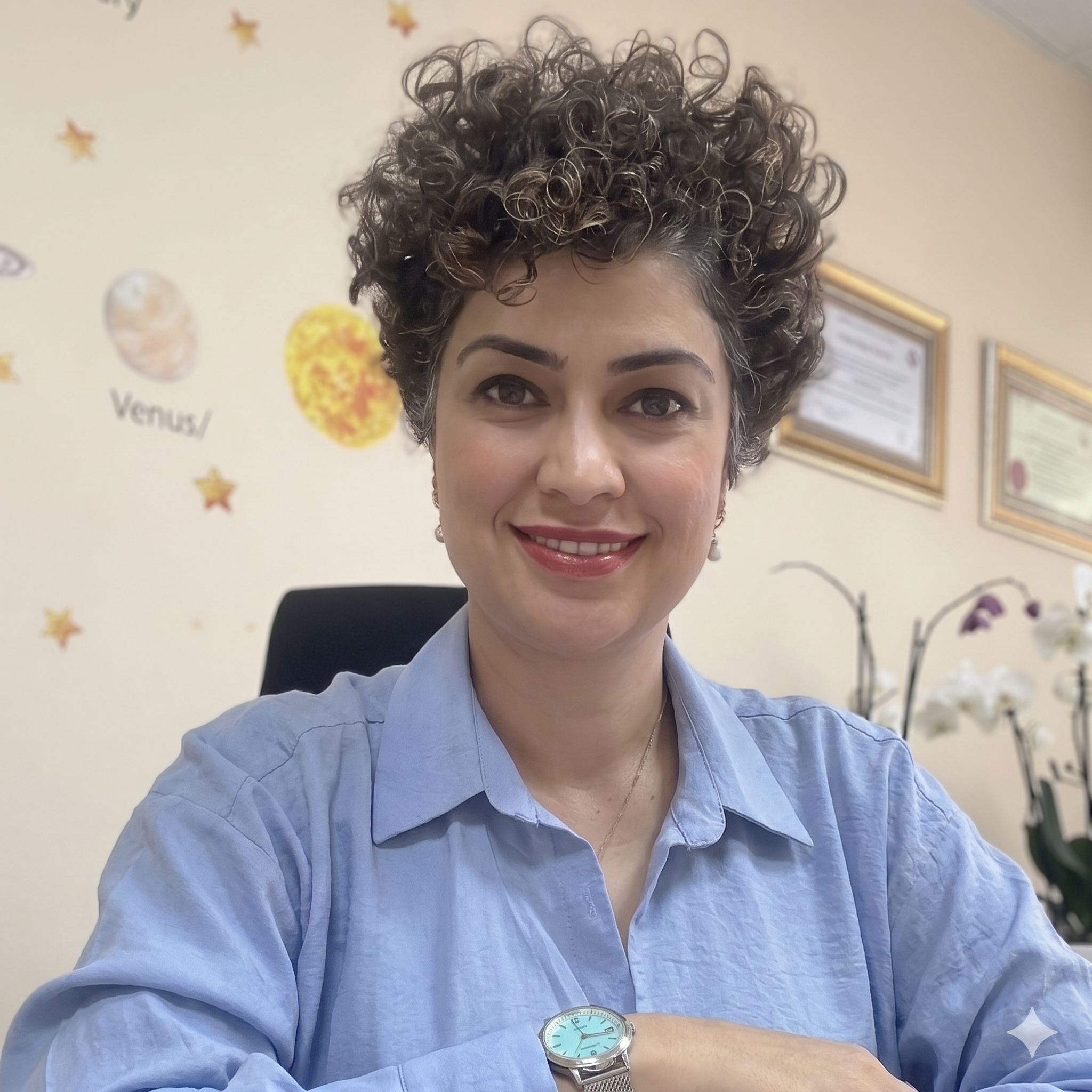
Doç. Dr. Mehtap Eroğlu
Associate Professor, Child and Adolescent Psychiatrist. Over 15 years of clinical experience. Ankara University Faculty of Medicine graduate.
View Full ProfileRelated Articles

Child Psychotherapy Ankara: Process, Methods and Comprehensive Guide for Families

Tic Disorders and Tourette Syndrome in Children: Comprehensive Parent Guide

Bedwetting (Enuresis) and Elimination Disorders: A Comprehensive Parent Guide

Post-Traumatic Stress Disorder in Children: Comprehensive Guide to Trauma Responses and Recovery

Psychotic Disorders in Children: Early Diagnosis and Comprehensive Treatment Guide