


Psychotic disorders in children are rare but serious psychiatric conditions. Early diagnosis and integrated treatment are vital for preserving functioning. Comprehensive evaluation and treatment planning with Assoc. Prof. Dr. Mehtap Eroğlu in Ankara.
Psychotic Disorders in Children: Early Diagnosis and Comprehensive Treatment Guide
Discovering that your child is hearing voices that do not exist, is frightened of unreal things, or is making incomprehensible statements is one of the most terrifying experiences a parent can face. Perhaps your child tells you that someone behind the wall is watching them, or perhaps their academic performance has collapsed without explanation and they have withdrawn entirely from social settings. As a child psychiatrist in Ankara, I am intimately familiar with the profound anxiety families feel when confronted with this presentation.
In this guide, I want to equip you with both scientific knowledge and hope. Psychotic disorders in childhood are rare but serious conditions; however, with early diagnosis and integrated treatment, it is possible for children to preserve their functioning to a significant degree. As Doç. Dr. Mehtap Eroğlu, through the clinical work I conduct in Ankara, I have experienced time and again that every child's presentation is unique and that every family needs information, support, and hope throughout this process.
Key Points
- Schizophrenia with onset in childhood (EOS — Early Onset Schizophrenia) is used for psychotic presentations beginning before age 18; very early onset schizophrenia (VEOS) is reserved for onset before age 13. Both presentations are rare but severe.
- Psychotic symptoms are not limited to schizophrenia; they can also arise from bipolar disorder, major depression, substance use, medical conditions, and autoimmune encephalitis.
- If prodromal symptoms (psychosis risk indicators) are detected early, primary psychosis may be prevented or delayed; therefore, recognizing early warning signs is vitally important.
- The shorter the time between the first psychotic episode and appropriate treatment initiation (DUP — Duration of Untreated Psychosis), the better the long-term prognosis.
- In Ankara, Doç. Dr. Mehtap Eroğlu provides specialized comprehensive evaluation focused on early psychosis diagnosis and integrated treatment in children and adolescents.
What Are Psychotic Disorders in Children?
Psychotic disorders encompass a group of mental health conditions in which reality perception is severely disrupted — the child or adolescent hears or sees things that do not exist, or develops beliefs that are not real. Profound disruptions emerge in thought processes, perception, emotional responses, and behavior. Although more common in adults, they also occur during childhood and adolescence, and early diagnosis and intervention are critical for long-term functioning.
In Ankara, child psychiatrist Doç. Dr. Mehtap Eroğlu adopts a comprehensive and multidimensional approach to evaluating children with psychotic symptoms. Families in Ankara who observe unusual speech, communication with invisible presences, inexplicable fear attacks, or marked changes in personality and behavior in their children should seek specialist opinion without delay.
Epidemiology and Prevalence
Childhood psychotic disorders are quite rare. The prevalence of early-onset schizophrenia (EOS) is estimated at approximately 1 in 40,000. While schizophrenia prevalence in the general population is around 1%, cases beginning before age 13 represent a very small fraction of this. However, transient psychotic symptoms (particularly auditory hallucinations) can be seen more frequently in childhood, and most of these disappear without developing into a psychotic disorder. In my evaluations in Ankara, clearly delineating this distinction is extremely important.
Types of Psychotic Disorders According to DSM-5
Schizophrenia (Early Onset)
Schizophrenia is a chronic psychotic disorder featuring positive, negative, and cognitive symptoms. When onset occurs during childhood, it tends to follow a more severe course and cognitive decline may be more pronounced.
**Positive Symptoms (excess or distortion of normal functions):**
- **Hallucinations:** Auditory hallucinations are most common. The child hears voices that speak to them, comment, or give commands. Visual, tactile, and olfactory hallucinations can also occur but are rarer. In my evaluations in Ankara, I observe that children sometimes describe auditory hallucinations as "the voice in my head" and sometimes perceive them directly as a person or entity.
- **Delusions:** Fixed beliefs that are not real and cannot be changed through logical explanation. The most common delusions in children include persecutory delusions (belief that someone will harm them), grandiose delusions (believing they possess special powers), and referential delusions (believing the television or environment is speaking to them).
- **Disorganized speech:** Loss of logical connection between sentences, off-topic jumps, invention of new words (neologisms), or speech becoming completely meaningless.
- **Disorganized or catatonic behavior:** Inappropriate laughter, screaming, extreme agitation, or conversely, complete cessation of movement and speech (catatonia).
**Negative Symptoms (diminution of normal functions):**
- Emotional blunting (reduced affect): Flattening of facial expression, voice becoming monotone
- Impoverishment of speech (alogia): Reduction in the amount and content of speech
- Inability to experience pleasure (anhedonia): Not enjoying activities previously liked
- Social withdrawal: Retreating from friends, family, and social settings
- Loss of volition (avolition): Loss of motivation to do anything, neglect of personal care
**Cognitive Symptoms:**
- Attention and memory difficulties
- Executive function impairment: Decline in planning, organizing, and problem-solving ability
- Slowed processing speed
- Decreased abstract thinking capacity
As Doç. Dr. Mehtap Eroğlu in Ankara, I systematically evaluate all three symptom clusters in the diagnosis of schizophrenia. In children, negative symptoms generally begin before positive symptoms and can be confused with depression or developmental regression.
Brief Psychotic Disorder
Psychotic symptoms lasting more than 1 day but less than 1 month, typically emerging after a marked stressor. In children, this can occur following severe traumatic experiences (domestic violence, sexual abuse, loss). Full recovery is expected, but the risk of developing a full psychotic disorder later should be monitored.
Schizoaffective Disorder
A chronic disorder in which symptoms of schizophrenia co-occur with mood disorder episodes (mania or depression). Diagnosis is particularly difficult in children because determining the timeline of mood and psychotic symptoms can be complex. In Ankara evaluations, Doç. Dr. Mehtap Eroğlu carefully maps the onset and offset times of mood and psychotic symptoms.
Psychosis Associated with Bipolar Disorder
Psychotic symptoms occurring during manic or depressive episodes may indicate underlying bipolar disorder. In children, manic psychosis presents with grandiose delusions, markedly decreased need for sleep, pressured and rapid speech, grandiose behaviors, and dangerous impulsivity. Distinguishing bipolar psychosis from schizophrenia is critical for the treatment plan, as treatment approaches differ.
Psychosis Associated with Major Depression
Psychotic features can emerge during severe depressive episodes. Hallucinations and delusions in this context typically carry depressive themes: worthlessness, guilt, death, and expectation of punishment. In my clinical practice in Ankara, I observe that the emergence of psychotic symptoms during the course of severe depression in adolescent patients is not uncommon. This presentation may require short-term antipsychotic use alongside antidepressant medication.
Substance-Induced Psychosis
During adolescence, cannabis, synthetic cannabinoids, amphetamines, methamphetamine, LSD, psilocybin mushrooms, and other hallucinogens can trigger psychotic symptoms. The scientific literature has established a strong and consistent association between cannabis use and early-onset schizophrenia. Cannabis use increases schizophrenia risk 2-4 fold in genetically predisposed adolescents. In Ankara, Doç. Dr. Mehtap Eroğlu obtains a detailed substance use history from every adolescent presenting with psychotic symptoms.
Autoantibody-Associated Psychosis (Autoimmune Encephalitis)
Autoimmune brain inflammations, most notably anti-NMDAR encephalitis, can produce psychotic presentations. This is particularly important because the treatment is entirely different: immunotherapy rather than antipsychotics is required. Anti-NMDAR encephalitis is more commonly seen in young women and girls and presents with psychotic symptoms alongside seizures, movement disorders, consciousness alterations, and autonomic instability.
In Ankara, Doç. Dr. Mehtap Eroğlu orders the necessary investigations to rule out autoimmune encephalitis in acute and atypically presenting psychotic cases. Bringing this diagnosis to mind, particularly in rapid-onset psychotic presentations accompanied by movement disorders or seizures, can be life-saving.
Developmental Perspective in Evaluating Psychotic Symptoms
Interpreting psychotic symptoms in children requires thorough knowledge of developmental norms. As Doç. Dr. Mehtap Eroğlu in Ankara, I frequently guide families on this topic because the distinction between normal developmental variants and true pathological symptoms is critical:
| Situation | Normal Developmental Variant | Pathological Feature |
|---|---|---|
| Imaginary friends | Ages 3-7, child-controlled, part of play, enjoyable | Exerts pressure on child, frightening, uncontrollable, gives commands |
| Hearing voices | Hypnagogic imagery before sleep, transient upon awakening | Daytime, second or third person, commanding, commenting voices |
| Magical thinking | Normal in early childhood, animism | Fixed in school age, conflicting with reality, disrupting functioning |
| Idiosyncratic beliefs | Consistent with cultural or religious context | Disrupts functioning, decontextualized, unchangeable by logical explanation |
| Night fears | Common in preschool period, resolves upon awakening | Persists during daytime, reality testing impaired, leads to avoidance |
Making this distinction requires developmental psychiatry expertise. In my clinical practice in Ankara, I have witnessed many cases where families arrived in a "does our child have schizophrenia?" panic only for the presentation to turn out to be a normal developmental variant. Similarly, I have seen cases where genuine psychotic symptoms were dismissed as "childhood imagination" and diagnosis was delayed.
Prodromal Period: Early Warning Signs of Psychosis
Prodromal symptoms can be observed months or even years before a full psychotic episode emerges. This period represents a critical window for early intervention, and recognizing prodromal symptoms plays a key role in preventing or delaying psychosis.
Prodromal Symptoms
- Social isolation and marked withdrawal from friendships
- Sudden and unexplained decline in academic performance
- Serious sleep disruption: difficulty falling asleep, nighttime awakenings
- Unusual or magical thinking (not yet reaching full delusional level but atypical)
- Perceptual disturbances: voices, shapes, shadows not at full hallucination level but disturbing
- Increased suspiciousness or paranoia: "People are watching me," "My friends are plotting against me"
- Strange, disorganized, or contextually inappropriate behaviors
- Marked neglect of personal hygiene
- Complete loss of interest in previously enjoyed activities
- Concentration difficulty and decline in cognitive performance
- Intense anxiety or depressive symptoms
Clinical High Risk (CHR) Concept
Modern psychiatry has defined a "clinical high risk" group that may progress to full psychotic disorder. Approximately 20-30% of individuals in this group develop a full psychotic disorder within 2-3 years. In Ankara, Doç. Dr. Mehtap Eroğlu uses structured risk assessment tools for children and adolescents in the prodromal phase and implements early intervention strategies. These strategies may include CBT, family education, stress management, and low-dose pharmacotherapy when necessary.
Diagnostic Process
Diagnosing psychotic disorders requires a meticulous, multidimensional, and time-consuming process. At Doç. Dr. Mehtap Eroğlu's clinic in Ankara, evaluation consists of the following stages:
1. Comprehensive Psychiatric Interview (60-90 minutes)
In addition to one-on-one interviews with the child, detailed information is obtained from parents and, when indicated, teachers. The onset, course, severity, and functional impact of symptoms are systematically explored. In our first consultation in Ankara, establishing a trusting relationship with the child is our priority; children experiencing psychotic symptoms are generally frightened, confused, and afraid of being misunderstood.
Structured assessment tools:
- PANSS (Positive and Negative Syndrome Scale)
- BPRS (Brief Psychiatric Rating Scale)
- K-SADS (Schedule for Affective Disorders and Schizophrenia for School-Age Children)
- SIPS/SOPS (Structured Interview for Prodromal Symptoms)
2. Neuropsychological Assessment
Cognitive functions, executive functions, attention, memory capacity, and processing speed are evaluated through comprehensive neuropsychological testing. Early cognitive decline may be detected in schizophrenia spectrum disorders, and these findings both support the diagnosis and shape the treatment plan. In Ankara, Doç. Dr. Mehtap Eroğlu collaborates with clinical neuropsychologists when indicated.
3. Medical and Neurological Evaluation
Medical causes that can produce psychotic presentations are systematically excluded:
- **Autoimmune encephalitis screening:** Anti-NMDAR antibodies and other neuronal antibodies
- **Metabolic disorders:** Wilson disease, porphyria, thyroid disorders
- **Epilepsy:** Temporal lobe epilepsy can cause psychotic symptoms
- **Substance use screening:** Urine and blood toxicology tests
- **Brain imaging:** MRI (cranial magnetic resonance imaging)
- **Electroencephalography:** EEG
- **Blood tests:** Complete blood count, liver and kidney functions, thyroid functions, copper metabolism
In Ankara, Doç. Dr. Mehtap Eroğlu coordinates these investigations with pediatric neurologists, pediatric endocrinologists, and other relevant specialists.
4. Family and Genetic History
The presence of schizophrenia, bipolar disorder, schizoaffective disorder, or other psychiatric conditions in the family plays a very important role in risk assessment. When a first-degree relative has schizophrenia, risk increases approximately 10-fold compared to the general population. Doç. Dr. Mehtap Eroğlu comprehensively explores genetic burden and family psychiatric history in Ankara evaluations.
5. Differential Diagnosis
The following conditions are systematically evaluated in the differential diagnosis of psychotic symptoms:
| Condition | Psychosis-Mimicking Feature | Distinguishing Finding |
|---|---|---|
| Autism Spectrum Disorder | Social withdrawal, unusual speech | Early onset, social communication pattern |
| ADHD Mimicking Psychosis | Disorganized behavior | Impulsivity predominates, reality testing preserved |
| Dissociative Disorders | Hearing voices, identity confusion | Trauma history, different quality of voice experience |
| Severe OCD | Bizarre obsessions | Presence of insight, compulsive cycle |
| Autoimmune Encephalitis | Acute psychosis | Rapid onset, neurological findings, seizures |
| Substance-Related | Acute psychosis | Substance use history, positive toxicology |
Treatment Approaches
Antipsychotic Pharmacotherapy
Antipsychotic medications form the cornerstone of psychotic disorder treatment. In children and adolescents, medication selection, side-effect profile, and individual tolerability must be carefully evaluated.
**Preferred antipsychotic medications in children:**
| Medication | Class | Feature | Side Effects to Monitor |
|---|---|---|---|
| Risperidone | Atypical | FDA-approved for children, good tolerability | Prolactin elevation, weight gain |
| Aripiprazole | Atypical | Low metabolic side-effect profile, partial agonist | Akathisia, restlessness |
| Olanzapine | Atypical | Effective, broad spectrum | Significant weight gain, metabolic syndrome risk |
| Quetiapine | Atypical | Sedative effect, sleep regulation | Weight gain, somnolence |
| Clozapine | Atypical | Gold standard for refractory cases | Agranulocytosis risk, weekly blood monitoring |
| Haloperidol | Typical | Effective in acute phase | Extrapyramidal symptoms, tardive dyskinesia |
In Ankara, Doç. Dr. Mehtap Eroğlu creates individualized prescriptions considering the child's age, weight, metabolic status, comorbid conditions, and the family's medication adherence. During pharmacotherapy, regular metabolic monitoring (weight, waist circumference, fasting glucose, lipid profile), prolactin levels, and neurological examination are conducted.
**Fundamental principles of pharmacotherapy:**
- Start low, titrate slowly
- Single-drug monotherapy is preferred; polypharmacy should be avoided unless essential
- Treatment response should be evaluated for at least 4-6 weeks
- Medication changes or discontinuation should never be done abruptly
- Family understanding and medication adherence are keys to treatment success
- Side-effect monitoring must be regular and systematic
Psychological Treatments
**Cognitive Behavioral Therapy (CBT):**
CBT for psychosis (CBTp) has built a strong evidence base over the past two decades. It helps patients make sense of their psychotic experiences, cope with stress, and improve functioning. Age-adapted protocols are used for children. In sessions in Ankara, Doç. Dr. Mehtap Eroğlu works in the following areas:
- Strategies for coping with hallucinations: resisting voices, attention redirection, normalization
- Developing alternative explanations for delusions
- Combating social withdrawal: graduated social exposure
- Managing anxiety and depression symptoms
- Developing illness insight
**Family-Focused Therapy:**
Family psychoeducation, communication skills development, and reduction of expressed emotion levels are critical determinants of treatment success. Research shows that relapse rates increase markedly in families displaying high expressed emotion (criticism, hostility, over-protectiveness). In Ankara, Doç. Dr. Mehtap Eroğlu incorporates all family members into the treatment process and provides education on:
- Information about the nature and course of psychotic disorder
- Strengthening communication skills
- Problem-solving strategies
- What to do during a crisis
- Support for medication adherence
- Protecting parental mental health (preventing caregiver burnout)
**Social Skills Training:**
Psychotic disorders severely impair social skills. In our treatment processes in Ankara, structured social skills training programs aim to strengthen relationships with peers and adults:
- Eye contact, body language, and turn-taking in conversation
- Recognizing and expressing emotions
- Friendship initiation and maintenance skills
- Conflict resolution strategies
**Supportive Individual Therapy:**
Individual supportive therapy plays an important role in protecting the child's self-esteem, processing fears about the illness, maintaining hope, and improving quality of life.
Rehabilitation and School Adjustment
Psychotic disorders can seriously affect academic performance and social adaptation. In Ankara, Doç. Dr. Mehtap Eroğlu works in coordination with school counselors and special education specialists to organize the child's educational plan. When needed:
- Individualized Education Program (IEP) development
- Reduced course load or flexible examination arrangements
- Special education support
- Vocational rehabilitation (for adolescents)
- Peer support groups
- Graduated return-to-school plan (following hospital discharge)
Crisis Planning and Safety
Exacerbation periods in psychotic disorders must be planned for in advance. Families in Ankara work with Doç. Dr. Mehtap Eroğlu to prepare a comprehensive crisis plan:
- Identification of early warning signs (sleep disruption, social withdrawal, increased suspiciousness)
- Resources and phone numbers to contact during a crisis
- Emergency medication protocols
- Identification of situations requiring hospitalization
- Home safety measures (particularly suicide risk assessment)
- Family members' roles during a crisis
Intervention at First Psychotic Episode
The first psychotic episode is an extremely critical period. The shorter the DUP, the better the prognosis. During this time, families in Ankara should follow these steps:
1. **Ensure a safe environment** — Assess the child's risk of harming themselves or others. Secure sharp objects, medications, and dangerous substances in the home.
2. **Seek specialist opinion immediately** — Apply to Doç. Dr. Mehtap Eroğlu's clinic in Ankara or, in an emergency, to the nearest hospital with a child psychiatrist.
3. **Be calm and supportive** — Rather than telling the child "you are thinking wrong" or "there is no such thing," acknowledge their experience: "I know you are hearing voices, that must be very frightening for you. We will help you."
4. **Obtain psychoeducation** — As a family, understanding the illness supports treatment adherence and improvement of the home environment.
5. **Prevent substance use** — Cannabis and other substances worsen the course of psychosis; this topic should be discussed openly, especially with adolescents.
6. **Maintain sleep regularity** — Sleep disturbance intensifies psychotic symptoms. Regular sleep hygiene practices are critical.
Special Challenges of Psychosis in Children
Diagnostic Difficulty
Diagnosing psychosis in children is much more difficult than in adults. Children's capacity for abstract thinking and verbalizing internal experiences is limited. Young children may be unable to describe hallucinations or express delusions. As Doç. Dr. Mehtap Eroğlu in Ankara, I use creative assessment techniques with children, including play-based methods, drawing, and storytelling.
Stigma
Carrying a psychotic disorder diagnosis creates significant stigma risk for both child and family. Families in Ankara sometimes struggle to accept the diagnosis or try to hide it from their social circles. As Doç. Dr. Mehtap Eroğlu, I maintain open and compassionate communication with families on this topic; it is very important not to allow fear of stigma to prevent access to treatment.
Suicide Risk
Psychotic disorders, particularly schizophrenia, markedly increase suicide risk. Risk is highest during the first psychotic episode and the early years of illness. In Ankara, Doç. Dr. Mehtap Eroğlu systematically evaluates suicide risk at every assessment and follow-up session and develops necessary safety plans.
Comprehensive Evaluation with Doç. Dr. Mehtap Eroğlu — Ankara
If you have observed hallucinations, delusions, disorganized speech, social withdrawal, or serious behavioral changes in your child in Ankara, we strongly recommend applying to Doç. Dr. Mehtap Eroğlu's clinic without delay. Doç. Dr. Mehtap Eroğlu has extensive experience in child and adolescent psychiatry in Ankara, specializing in early diagnosis of psychotic disorders, integrated treatment, and family support.
What Happens During the Evaluation in Ankara?
- Systematic assessment of psychotic symptoms (PANSS, BPRS, K-SADS)
- Detailed developmental and family history
- Neuropsychological testing coordination
- Exclusion of medical and neurological causes (MRI, EEG, blood tests, autoimmune panel)
- Individualized pharmacological treatment plan and metabolic monitoring
- Psychotherapeutic intervention (CBT, family therapy, social skills training)
- Family psychoeducation and crisis planning
- School coordination and rehabilitation
- Regular follow-up sessions and progress assessment
Doç. Dr. Mehtap Eroğlu, in her clinical work in Ankara, understands that every family needs information, support, and hope during this process.
What Parents Need to Know
Key points to keep in mind if you observe psychotic symptoms in your child:
1. **This is not your fault** — Psychotic disorders arise from the complex interaction of biological, genetic, and environmental factors. Parenting style does not cause psychosis.
2. **Early intervention saves lives** — The earlier the diagnosis and treatment initiation, the better the long-term prognosis. Keeping DUP short is critical.
3. **Do not discontinue medication on your own** — Abrupt discontinuation of antipsychotics can lead to serious exacerbations, seizures, and withdrawal syndrome.
4. **Family adherence is part of treatment** — The family's communication style, home environment, and attitudes directly affect treatment success.
5. **Seek support** — Psychoeducation programs at Doç. Dr. Mehtap Eroğlu's clinic in Ankara guide families throughout this journey.
6. **Do not neglect yourself** — Being the parent of a child with a psychotic disorder is emotionally exhausting. Do not hesitate to seek support for your own mental health.
Prognosis
The prognosis of psychotic disorders beginning in childhood and early adolescence depends on:
- **DUP duration** — The shorter the untreated period, the better the prognosis
- **Treatment adherence** — Regular medication use significantly reduces relapse risk
- **Premorbid functioning** — Pre-illness academic and social functioning level affects prognosis
- **Social support** — Family and peer support strengthens recovery
- **Comorbidities** — Substance use and comorbid disorders negatively impact prognosis
- **Age of onset** — Earlier onset is generally associated with more severe course
- **Predominance of negative symptoms** — Presentations dominated by negative symptoms are more difficult to treat
- **Degree of cognitive decline** — Early and marked cognitive decline is associated with poorer prognosis
Conclusion
Psychotic disorders in children are rare but very serious conditions. Early diagnosis, accurate diagnosis (including exclusion of underlying medical causes), and an integrated treatment approach are vital for preserving long-term functioning. Every child's recovery potential is different, and with proper treatment, many children can achieve a meaningful quality of life.
In Ankara, Doç. Dr. Mehtap Eroğlu offers families scientific, compassionate, and comprehensive support throughout this challenging process. If you have concerns about your child, set aside the thought of "let's wait and see." Early evaluation with Doç. Dr. Mehtap Eroğlu in Ankara is the most correct step. You can visit the contact page to make an appointment.
Frequently Asked Questions
Çocuklarda psikoz görülür mü?
Evet, psikotik bozukluklar çocukluk döneminde de görülebilir; ancak yetişkinlere kıyasla çok daha nadirdir. Erken başlangıçlı şizofreni (EOS) yaklaşık 1/40.000 prevalansla çocukluk çağında başlayan psikotik bozukluklar için kullanılır. Bipolar bozukluk veya ağır depresyon gibi durumlar da psikotik belirtilere yol açabilir. Ankara'da Doç. Dr. Mehtap Eroğlu, çocuklarda psikotik belirtilerin kapsamlı değerlendirmesini yapmaktadır.
Çocuğumun hayali arkadaşı var, bu psikoz mudur?
Hayır, 3-7 yaş arasındaki hayali arkadaşlar normal bir gelişimsel olgudur ve psikoz değildir. Patolojik psikotik belirtilerde çocuğun kontrol edemediği, korkutucu ve baskı uygulayan sesler veya varlıklar söz konusudur. Hayali arkadaşlar keyif verirken, psikotik sesler çocuğu korkutur ve rahatsız eder. Endişeniz varsa Ankara'da Doç. Dr. Mehtap Eroğlu gibi bir çocuk psikiyatristine danışmanızı öneririz.
Psikotik bozuklukların erken belirtileri nelerdir?
Prodromal (erken uyarı) belirtiler arasında sosyal çekilme, okul başarısında ani düşüş, uyku bozukluğu, sıradışı düşünceler, artan şüphecilik, kişisel bakımda ihmal ve konsantrasyon güçlüğü sayılabilir. Bu belirtiler tam psikotik tablonun öncüsü olabilir. Bu dönemin erken tanınması ve müdahale edilmesi psikozun önlenmesinde veya geciktirilmesinde kritik bir fırsat sunar.
Çocuğuma antipsikotik ilaç verilmesi gerekiyor mu?
Antipsikotik ilaçlar psikotik bozuklukların tedavisinin temelini oluşturur. Çocuklarda risperidon ve aripiprazol gibi atipik antipsikotikler sıklıkla kullanılır. İlaç kararı her çocuğun bireysel tablosu, yaşı, metabolik durumu ve komorbid durumları göz önünde bulundurularak verilmelidir. Ankara'da Doç. Dr. Mehtap Eroğlu, bireyselleştirilmiş bir tedavi planı oluşturur ve düzenli metabolik izlem yapar.
Çocuklarda psikoz tedavi edilebilir mi?
Psikotik bozukluklar tedavi edilebilir ama çoğunlukla kronik bir seyir izler. Erken tanı, uygun ilaç tedavisi, psikolojik destekler ve aile eğitimi ile çocukların önemli bir bölümü işlevselliklerini koruyabilir ve anlamlı bir yaşam kalitesine ulaşabilir. DUP'un kısa tutulması prognoz açısından kritiktir.
Otoimmün ensefalit nedir ve psikozla ilişkisi nedir?
Otoimmün ensefalit, bağışıklık sisteminin beyne saldırmasıyla oluşan bir beyin iltihaplanmasıdır. Anti-NMDAR ensefaliti gibi türleri psikotik belirtilere, nöbetlere, hareket bozukluklarına ve bilinç değişikliklerine yol açabilir. Tedavisi antipsikotik değil immünoterapi gerektirdiğinden, akut psikotik tablolarda bu tanının dışlanması hayat kurtarıcı önemdedir. Ankara'da Doç. Dr. Mehtap Eroğlu gerekli tetkikleri düzenler.
Psikotik bozukluğu olan çocuk okula devam edebilir mi?
Durumun ciddiyetine ve tedaviye yanıta bağlı olarak değişir. Birçok çocuk uygun tedavi ve destek ile okula devam edebilir. Bireyselleştirilmiş Eğitim Programı (BEP), azaltılmış ders yükü, özel eğitim desteği ve okul psikolojik danışmanıyla iş birliği süreçte kritik rol oynar. Ankara'da Doç. Dr. Mehtap Eroğlu bu koordinasyonu sağlar.
Ankara'da çocuğumun psikotik belirtilerini nerede değerlendirebilirim?
Ankara'da Doç. Dr. Mehtap Eroğlu'nun çocuk ve ergen psikiyatrisi kliniğine başvurabilirsiniz. Doç. Dr. Mehtap Eroğlu, psikotik bozuklukların erken tanısı, bütünleşik tedavisi ve aile desteği konularında Ankara'da uzmanlaşmış bir çocuk psikiyatristidir. Kapsamlı değerlendirme, bireyselleştirilmiş tedavi ve düzenli takip sunmaktadır. Randevu için iletişim sayfasını ziyaret edebilirsiniz.
References
- Arango C, Fraguas D, Parellada M (2014). Differential neurodevelopmental trajectories in patients with early-onset bipolar and schizophrenia disorders. Schizophrenia Bulletin, 40(Suppl 2), S138-S146. doi:10.1093/schbul/sbt198
- Stentebjerg-Olesen M, Pagsberg AK, Fink-Jensen A, Correll CU, Jeppesen P (2016). Clinical characteristics and predictors of outcome in adolescents with first-episode schizophrenia spectrum disorders. Journal of Child and Adolescent Psychopharmacology, 26(7), 624-635. doi:10.1089/cap.2015.0175
- McClellan J, Stock S; American Academy of Child and Adolescent Psychiatry (2013). Practice parameter for the assessment and treatment of children and adolescents with schizophrenia. Journal of the American Academy of Child and Adolescent Psychiatry, 52(9), 976-990. doi:10.1016/j.jaac.2013.02.008
- Correll CU, Galling B, Pawar A, Krivko A, Bonetto C, Ruggeri M, Craig TJ, Nordentoft M, Srihari VH, Guloksuz S, Hui CL (2018). Comparison of early intervention services vs treatment as usual for early-phase psychosis: a systematic review, meta-analysis, and meta-regression. JAMA Psychiatry, 75(6), 555-565. doi:10.1001/jamapsychiatry.2018.0623
- Graus F, Titulaer MJ, Balu R, Benseler S, Bien CG, Cellucci T, et al. (2016). A clinical approach to diagnosis of autoimmune encephalitis. The Lancet Neurology, 15(4), 391-404. doi:10.1016/S1474-4422(15)00401-9
- Leucht S, Cipriani A, Spineli L, Mavridis D, Orey D, Richter F, et al. (2013). Comparative efficacy and tolerability of 15 antipsychotic drugs in schizophrenia: a multiple-treatments meta-analysis. The Lancet, 382(9896), 951-962. doi:10.1016/S0140-6736(13)60733-3
- Fusar-Poli P, Bonoldi I, Yung AR, Borgwardt S, Kempton MJ, Valmaggia L, Barale F, Caverzasi E, McGuire P (2012). Predicting psychosis: meta-analysis of transition outcomes in individuals at high clinical risk. Archives of General Psychiatry, 69(3), 220-229. doi:10.1001/archgenpsychiatry.2011.1472
- American Psychiatric Association (2013). Diagnostic and Statistical Manual of Mental Disorders, Fifth Edition (DSM-5). American Psychiatric Publishing
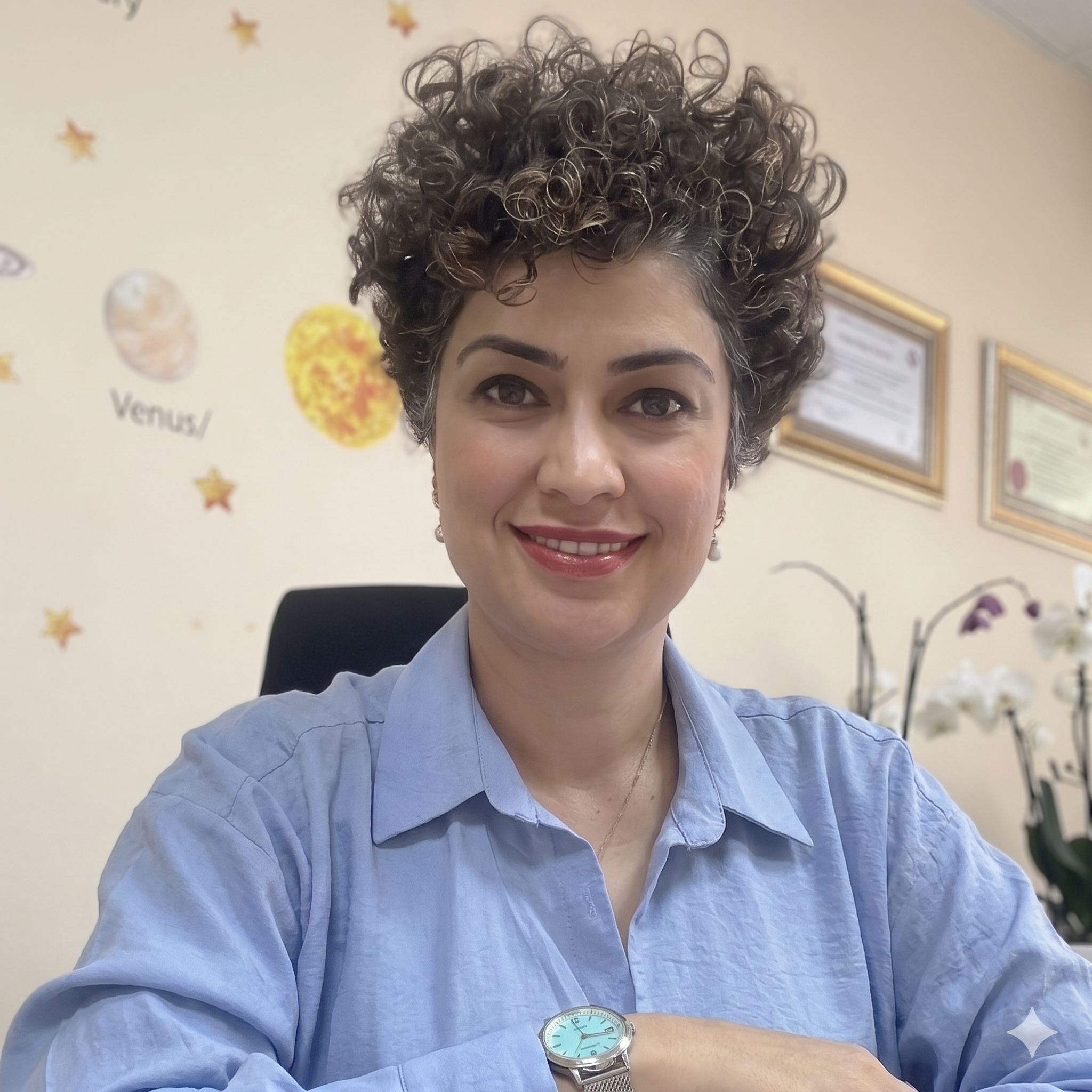
Doç. Dr. Mehtap Eroğlu
Associate Professor, Child and Adolescent Psychiatrist. Over 15 years of clinical experience. Ankara University Faculty of Medicine graduate.
View Full ProfileRelated Articles

Child Psychotherapy Ankara: Process, Methods and Comprehensive Guide for Families

Tic Disorders and Tourette Syndrome in Children: Comprehensive Parent Guide

Trichotillomania in Children: A Comprehensive Guide to Hair, Eyebrow and Eyelash Pulling

Bedwetting (Enuresis) and Elimination Disorders: A Comprehensive Parent Guide

Post-Traumatic Stress Disorder in Children: Comprehensive Guide to Trauma Responses and Recovery