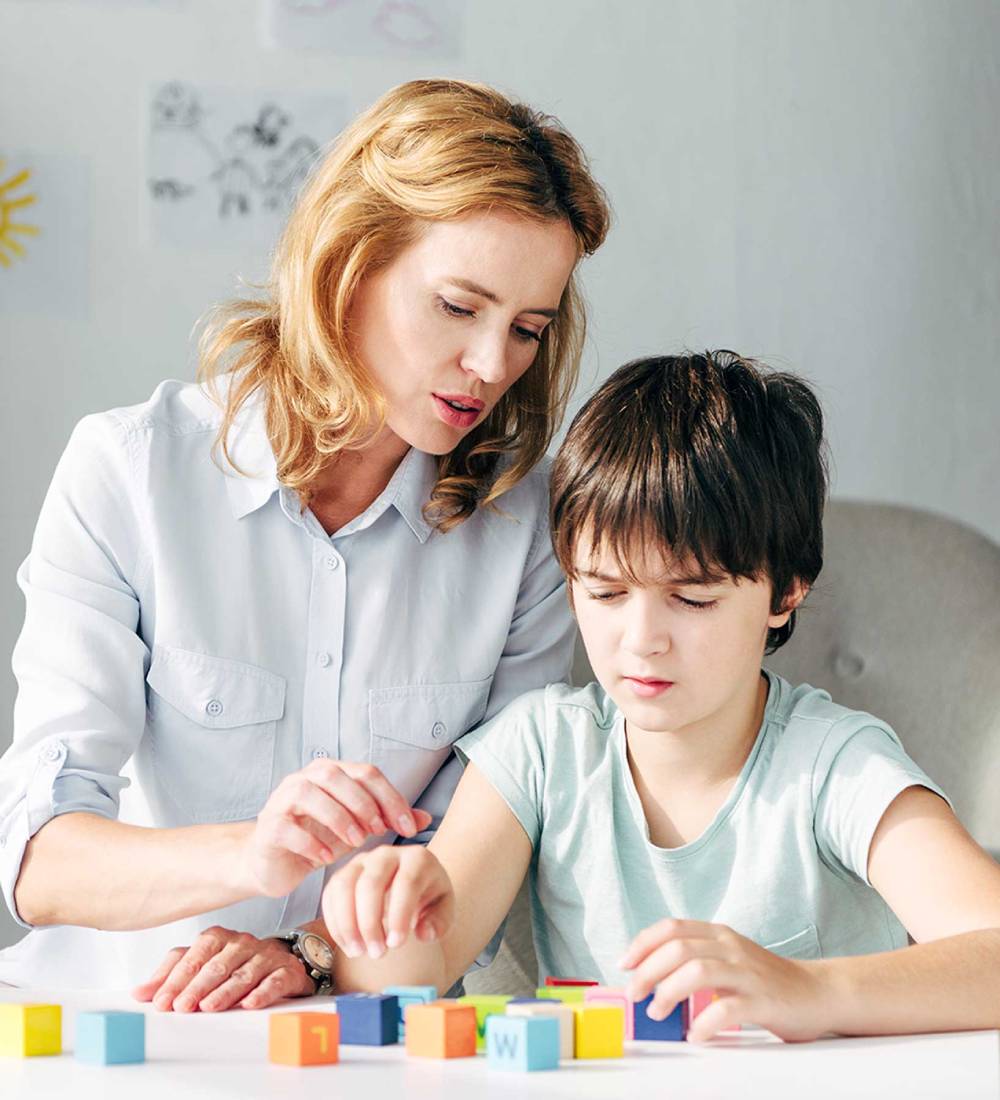


Selective mutism is a serious anxiety-based disorder where children speak freely at home but cannot speak at school or in social settings. Early intervention with gradual exposure, stimulus fading and CBT is available with child psychiatrist Assoc. Prof. Mehtap Eroğlu in Ankara.
Selective Mutism: A Comprehensive Parent's Guide to Understanding and Treatment
Your child may chat happily at home, sing songs, and even argue with siblings. But the moment they step through the school door or encounter an unfamiliar adult at a family gathering, they fall completely silent — as though their voice has been switched off. The teacher says "they never open their mouth in class," peers know them as "the quiet kid," and you are left trying to understand why the vibrant, talkative child you see at home cannot utter a single word at school. This picture, which many families interpret as shyness or stubbornness, is in fact selective mutism — a serious anxiety disorder that demands professional evaluation.
Assoc. Prof. Mehtap Eroğlu, child and adolescent psychiatrist practicing in Ankara, consistently emphasizes a crucial point to families of children with selective mutism: "These are not children who refuse to speak. They are children who desperately want to speak but cannot. The anxiety is so powerful that it effectively locks the vocal cords — the child becomes physically unable to produce sound." Selective mutism is an involuntary silence, and when correctly understood and treated, it is a condition that responds remarkably well to evidence-based intervention.
In this comprehensive guide, we will explore what selective mutism is, how it is recognized, the scientific methods used to treat it, school intervention strategies, and how families in Ankara can access support through Assoc. Prof. Mehtap Eroğlu. Our goal is to provide families with both knowledge and hope.
Key Points
- Selective mutism is not a deliberate choice; it is an **involuntary silence** created by anxiety — the child wants to speak but anxiety prevents it.
- It typically begins between **ages 3 and 6** and becomes apparent with the onset of school or nursery; it is 1.5 to 2 times more common in girls than boys.
- It is classified under anxiety disorders in DSM-5 and shows high comorbidity with social anxiety disorder.
- Without treatment, it can progress to social phobia, school refusal, academic decline, and chronic social isolation; early intervention dramatically improves prognosis.
- **Cognitive Behavioral Therapy (CBT)**, **gradual exposure (sliding-in technique)**, and **stimulus fading** are the treatment methods with the strongest evidence base.
- In Ankara, Assoc. Prof. Mehtap Eroğlu places school coordination and family psychoeducation at the center of treatment, ensuring the child receives consistent support across school, home, and social environments.
- With the right approach, the vast majority of children achieve full verbal functioning; recovery rates exceed 80% in cases where intervention occurs during the preschool years.
What Is Selective Mutism? Definition and DSM-5 Criteria
Clinical Definition
According to DSM-5, selective mutism is defined as a **consistent failure to speak in specific social situations** where speaking is expected (such as at school, in public, or around unfamiliar people), despite speaking comfortably in other situations (at home, with close family). For diagnosis, this condition must persist for at least one month and must not be attributable solely to the first month of school entry. Furthermore, the failure to speak must not be explained by a communication disorder (such as stuttering), autism spectrum disorder, or unfamiliarity with the spoken language.
In Ankara, Assoc. Prof. Mehtap Eroğlu carefully evaluates these criteria when making a diagnosis of selective mutism and distinguishes the presentation from other communication difficulties. This distinction is critical for constructing the correct treatment plan. Families in Ankara frequently present late, believing their child is "just shy"; yet early diagnosis significantly shortens both the treatment duration and the difficulties the child endures.
DSM-5 Diagnostic Criteria
The DSM-5 diagnostic criteria for selective mutism are as follows:
- **A.** Consistent failure to speak in specific social situations where there is an expectation to speak (e.g., school), despite speaking in other situations.
- **B.** The disturbance interferes with educational or occupational achievement or with social communication.
- **C.** Duration of at least 1 month (not limited to the first month of school).
- **D.** The failure to speak is not attributable to a lack of knowledge of, or comfort with, the spoken language.
- **E.** The disturbance is not better explained by a communication disorder (e.g., childhood-onset fluency disorder) and does not occur exclusively during the course of autism spectrum disorder, schizophrenia, or another psychotic disorder.
Selective Mutism vs. Shyness
Shyness and selective mutism are frequently confused. Families in Ankara often wait, thinking "our child is just reserved — they'll adjust with time." However, there are critical differences between these two conditions:
| Feature | Shyness | Selective Mutism |
|---|---|---|
| Communication difficulty | Temporary and mild; child speaks after warming up | Persistent and severe; no speech for months |
| Functional impact | No significant impairment | School and social life seriously affected |
| Duration | Brief, resolves with familiarization | Longer than 1 month, does not resolve spontaneously |
| Anxiety level | Mild to moderate | High to very high |
| Physical symptoms | Rare | Frequent (freezing, blushing, body rigidity) |
| Eye contact | Usually present | Typically avoided |
Assoc. Prof. Mehtap Eroğlu clearly delineates this distinction in her Ankara clinical practice and tells families: "A shy child begins speaking after a few minutes; a child with selective mutism may go hours, even months, without uttering a single word in the same environment."
Symptoms and Clinical Presentation of Selective Mutism
Core Symptoms
Assoc. Prof. Mehtap Eroğlu notes that the most common presentation reported by families visiting her Ankara clinic includes:
- Complete inability to speak at school, in social environments, or near unfamiliar people; unable to respond even when directly asked a question
- Normal or even talkative, outgoing communication at home or in safe settings; sometimes excessive talking at home (release of accumulated energy)
- Freezing of the body, blushing, and physical rigidity when verbal response is expected
- Avoiding eye contact; responding by nodding, pointing, or writing rather than speaking
- Whispering or speaking only to a closest friend (in some cases)
Associated Symptoms
Selective mutism rarely occurs in isolation. The following associated symptoms are frequently observed in Ankara clinical settings:
- **Separation anxiety:** Inability to separate from parents at school, constant desire to call home
- **Social phobia features:** Avoidance of drawing attention, trying to become invisible in class
- **Somatic complaints:** Stomach ache, headache, nausea, or vomiting before school
- **Toileting difficulties:** Inability to use the school bathroom throughout the entire day
- **Eating difficulties:** Inability to eat in the school cafeteria
- **Difficulty joining play groups:** Watching silently but unable to join the group
- **Motor freezing:** In some children, not only speech but movement is also inhibited; the child displays robotic movements
Age-Specific Clinical Presentation
**Preschool (Ages 3-6):** This is the most common onset period for selective mutism. Nursery or kindergarten is where silence first becomes apparent. Parents frequently wait, hoping the child will adjust. An important alert for families in Ankara: if 2-3 months have passed since school entry and the child still does not speak at all, this is not an adjustment period — expert evaluation is essential.
**Primary School (Ages 7-11):** Inability to raise hand in class, participate in oral examinations, contribute to group work, ask for help, or use the toilet are prominent features. Academic performance falls far below the child's actual capacity. In Ankara, children in this age group are often described as "quiet but doing well"; however, zero scores on oral assessments do not reflect true achievement.
**Adolescence (Ages 12+):** Peer pressure intensifies and social isolation deepens. The child may have developed an identity as "the quiet one." Without treatment, the risk of progression to generalized social anxiety disorder is substantial. At this stage, evaluation with Assoc. Prof. Mehtap Eroğlu in Ankara provides a comprehensive picture encompassing both selective mutism and co-occurring depression and social anxiety.
Causes and Risk Factors of Selective Mutism
Selective mutism does not stem from a single cause; it arises from a complex interplay of **biological, psychological, and environmental factors**. In Ankara, Assoc. Prof. Mehtap Eroğlu conducts a comprehensive evaluation to understand the unique combination of risk factors in each case.
1. Genetic Predisposition and Familial Clustering
Social anxiety and selective mutism show marked familial aggregation. Research reveals that nearly 70% of parents of children with selective mutism have a history of social anxiety disorder or pronounced shyness. In family consultations in Ankara, Assoc. Prof. Mehtap Eroğlu also assesses the parents' own social anxiety experiences, as the parent's anxiety model directly influences the child's behavior.
2. Temperamental Traits: Behavioral Inhibition
Behavioral inhibition — the tendency to withdraw, freeze, or recoil in novel situations — is one of the strongest predictors of selective mutism. These children show elevated physiological responses to new stimuli from infancy: heart rate increases, cortisol levels rise, and adaptation times to new environments are significantly longer compared to peers. In Ankara, this temperamental characteristic serves as an important clinical indicator supporting the diagnosis.
3. Speech and Language Difficulties
A significant proportion of children with selective mutism have an underlying mild language processing difficulty, articulation problem, or phonological disorder. In a child for whom speaking is already challenging, the anxiety of speaking in social settings multiplies exponentially. In Ankara, Assoc. Prof. Mehtap Eroğlu conducts a consultation with a speech-language therapist in every selective mutism case to investigate underlying language difficulties. Missing this component reduces treatment effectiveness.
4. Bilingual Environments
In immigrant or bilingual families in Ankara, children may show selective mutism symptoms more frequently in school settings where their home language is not used. However, an important nuance must be noted: bilingualism alone does not cause selective mutism; it can serve as a trigger in a child with pre-existing anxiety vulnerability. Assoc. Prof. Mehtap Eroğlu clearly explains this distinction to bilingual families in Ankara.
5. Triggering Life Events
School changes, city relocations, birth of a sibling, parental separation, or traumatic experiences (accidents, losses, hospital stays) can precipitate or worsen symptoms. In Ankara, selective mutism presentations are frequently observed in children starting a new school after relocating.
6. Reinforcement Cycle
The child's silence is reinforced when those around them learn to understand and accommodate the child without speech. Parents become the child's "spokesperson," teachers reduce speaking expectations to zero, and peers accept them as "the child who doesn't talk." This accommodation process paradoxically chronifies the silence. In Ankara, Assoc. Prof. Mehtap Eroğlu teaches families systematic strategies to break this reinforcement cycle.
Diagnosis: Comprehensive Assessment in Ankara
Assoc. Prof. Mehtap Eroğlu conducts selective mutism evaluation at her Ankara clinic in a multi-dimensional, systematic manner. The assessment process typically spans 2-3 sessions and includes the following components:
1. Detailed Clinical Interview
The interview with parents explores developmental history, temperamental characteristics, symptom onset and course, contexts in which the child speaks and does not speak, family communication patterns, and the parents' own social anxiety histories. Direct communication with the child is attempted but verbal pressure is absolutely avoided. In Ankara, Assoc. Prof. Mehtap Eroğlu carefully observes the child's behavior in the therapy room — eye contact, facial expression, motor activity, and play preferences.
2. Home and School Videos
Families are asked to provide video recordings showing the child's speaking behavior at home. These recordings allow the clinician to witness the child's "speaking self" and strengthen the diagnostic picture. School observation reports from Ankara schools are also incorporated.
3. Standardized Measures
- **Selective Mutism Questionnaire (SMQ):** Parent and teacher forms
- **SCARED (Screen for Child Anxiety Related Disorders):** Overall anxiety level
- **Selective Mutism Assessment Battery (SMAB):** Context-specific mapping of speaking behavior
- **Social Communication Questionnaire:** Screening for autism spectrum features
4. Speech and Language Assessment
Consultation with a speech-language therapist in Ankara evaluates whether an underlying language difficulty, articulation problem, or phonological disorder is present.
5. Assessment of Co-Occurring Conditions
Potential overlap with social anxiety disorder, separation anxiety, specific learning difficulties, ADHD, or autism spectrum disorder is carefully evaluated. In Ankara, Assoc. Prof. Mehtap Eroğlu determines whether selective mutism is a standalone condition or part of a broader neurodevelopmental presentation.
6. School Coordination
Communication with school counselors and classroom teachers in Ankara clarifies the child's speaking behavior in class, peer relationships, and academic functioning. Assoc. Prof. Mehtap Eroğlu provides written assessment reports and intervention recommendations to schools when necessary.
Treatment of Selective Mutism: Evidence-Based Approaches
The most effective approach to selective mutism is a systematic treatment process supported by **evidence-based psychotherapy methods** and coordinated across the home-school-clinic triangle. In Ankara, Assoc. Prof. Mehtap Eroğlu structures the treatment plan according to each child's individual needs, age, and anxiety severity.
1. Cognitive Behavioral Therapy (CBT)
CBT is recognized as the **first-line treatment** for selective mutism. It helps the child identify anxiety-provoking situations, develop coping skills, and systematically build speaking behavior step by step.
The CBT protocol applied by Assoc. Prof. Mehtap Eroğlu in Ankara includes:
- **Psychoeducation:** The child and family are taught what selective mutism is and how anxiety operates in the brain and body, using age-appropriate language. Metaphors such as "the anxiety monster" are effective with young children.
- **Anxiety hierarchy construction:** A graduated list is created from least to most anxiety-provoking speaking situations.
- **Relaxation and coping techniques:** Deep breathing, muscle relaxation, and safe place imagery are taught.
- **Cognitive restructuring:** For children aged 7 and above, distorted thoughts such as "if I speak, everyone will stare at me" are challenged and realistic alternatives developed.
- **Behavioral experiment planning:** Graduated targets for the child to practice speaking behavior in real-world settings are established.
2. Gradual Exposure (Sliding-In Technique)
This technique is one of the most widely used and effective methods in selective mutism treatment. The child begins speaking in a safe environment (therapy room), and new people are systematically introduced over time. In Ankara, Assoc. Prof. Mehtap Eroğlu applies this technique in both clinical and school settings:
1. Child speaks comfortably with parent in the therapy room
2. Therapist waits outside but within hearing distance
3. Therapist joins the activity from the doorway (without speaking directly to the child)
4. Therapist enters the room; indirect interaction begins (speaking to the parent, not the child)
5. Therapist initiates minimal direct conversation with the child (yes/no questions)
6. Parent gradually withdraws
7. Child can speak with the therapist alone
8. New people (teacher, peer) are added using the same process
9. Generalization to different settings (school, park) is achieved
This process requires patience, but clinical experience in Ankara demonstrates that the sliding-in technique initiates speaking behavior in the vast majority of children.
3. Stimulus Fading
Stimulus fading is a technique that uses a person with whom the child already speaks comfortably (usually a parent) to transfer speaking behavior to new environments and people. Implementation steps:
- Parent begins speaking with the child in the school setting (when the classroom is empty)
- Teacher observes from a distance, gradually approaches
- Parent slowly withdraws, teacher enters the interaction
- Parent leaves the room; child continues speaking with the teacher
- Peers are then added
In Ankara, Assoc. Prof. Mehtap Eroğlu coordinates stimulus fading implementation with school guidance counselors. School cooperation is indispensable for this technique's success.
4. Defocused Communication
This approach avoids direct eye contact, direct questioning, and creating verbal pressure. Instead:
- Thinking aloud near the child ("I wonder where this puzzle piece goes...")
- Indirect questions ("What does this toy want to do, I wonder?")
- Incomplete sentences ("The name of this animal is...")
- Offering choices ("Red or green?")
This technique facilitates the child's engagement in communication at their own pace without feeling verbal pressure. In Assoc. Prof. Mehtap Eroğlu's clinical practice in Ankara, it serves as an effective entry strategy, particularly in initial sessions and with younger children.
5. School-Based Interventions
School intervention is an integral part of selective mutism treatment. Assoc. Prof. Mehtap Eroğlu actively collaborates with educational institutions in Ankara to recommend and coordinate the following accommodations:
**Classroom practices:**
- Creating low-risk response opportunities rather than calling on the child (offering choices, group chorus, activities where everyone speaks simultaneously)
- Written or demonstration-based assessment instead of oral examinations
- Starting with small group work and progressing toward the larger group
- Establishing a "speaking buddy" partnership with a peer the child is most comfortable with
- The teacher using a patient, warm, non-pressured wait approach
- Offering non-verbal participation pathways (writing, drawing, pointing)
**School-wide awareness:**
- Guidance counselor briefing and regular coordination meetings
- Providing the classroom teacher with a written guide about selective mutism
- Informing other teachers (music, physical education, English) about the condition
- Preparing appropriate responses to peers' questions about "why don't they talk?"
In Ankara, Assoc. Prof. Mehtap Eroğlu prepares written notification letters and teacher intervention guides when needed to ensure the child receives systematic support in the school environment.
6. Medication
In severe cases, when CBT response is insufficient, or when selective mutism co-occurs with severe social anxiety, **SSRI antidepressants** (particularly fluoxetine) may be added by the psychiatrist. Medication is never used as a standalone treatment — it always accompanies psychotherapy.
In Ankara, Assoc. Prof. Mehtap Eroğlu makes the decision to start medication after comprehensive evaluation, together with the family, with a clear explanation of the benefit-risk balance. Children who begin medication are monitored through regular follow-up sessions for side effects and treatment response.
The Role of Parents: What to Do and What to Avoid
What Families Should Avoid
Assoc. Prof. Mehtap Eroğlu frequently observes the following well-intentioned but counterproductive mistakes in her consultations with Ankara families:
- **Insisting "Speak!":** Pressure increases anxiety and strengthens the child's freezing response
- **Speaking on behalf of the child:** When the parent becomes the "spokesperson," the child's need to speak disappears and dependency is reinforced
- **Labeling the child as "my shy child":** This label becomes part of the child's identity
- **Forcing the child into social situations abruptly:** Overwhelming exposure before readiness triggers an anxiety explosion and damages the trust relationship
- **Waiting, hoping the child will "grow out of it":** With each passing month, the silence pattern strengthens
- **Viewing school change as a solution:** The same pattern emerges at the new school; the solution is treatment, not a change of environment
- **Rewarding the child for speaking:** Drawing excessive attention to speaking behavior can backfire
- **Discussing the situation in front of friends or relatives:** This increases the child's shame
What Families Should Do
- **Remain calm and patient** in settings where the child does not speak; avoid displaying panic, sadness, or disappointment
- Temporarily accept nonverbal communication while gradually shaping speaking behavior
- Acknowledge small speaking attempts in a **natural, understated way** ("okay, I understand" is sufficient)
- Create indirect communication opportunities through activities the child enjoys, rather than "speech practice"
- Maintain regular contact with the therapist and diligently implement home assignments
- Collaborate actively with the school
- Consider joining parent support groups in Ankara and sharing experiences
- Confront their own social anxieties: parents' own avoidance behaviors serve as models for the child
Evaluation and Treatment Process with Assoc. Prof. Mehtap Eroğlu
Families who come to Assoc. Prof. Mehtap Eroğlu's clinic in Ankara follow a structured treatment path:
Initial Consultation (45-60 Minutes)
Comprehensive history, developmental background, family and school information are gathered. Direct interaction with the child is attempted without imposing verbal demands. Assoc. Prof. Mehtap Eroğlu observes the child's behavior in the clinical setting, noting their reactions while speaking with parents.
Assessment Phase (2-3 Sessions)
Standardized scales (SMQ, SCARED, SMAB) are administered, parent and teacher rating forms are completed. Home videos and school observation reports are reviewed. Consultation with a speech-language therapist may be arranged. Communication with the school in Ankara clarifies the classroom picture.
Treatment Plan Development
Depending on severity, child's age, and co-occurring conditions, individual CBT, gradual exposure, stimulus fading, parent guidance, school coordination, and — when necessary — medication are integrated. Assoc. Prof. Mehtap Eroğlu creates a personalized treatment roadmap for each child in Ankara.
Active Treatment Phase
Weekly or biweekly therapeutic sessions are conducted. Gradual exposure and stimulus fading applications progress in parallel in both the clinical setting and the school environment in Ankara. Family sessions teach parents home-based applications.
Monitoring and Maintenance
Once significant progress is achieved, session frequency is reduced. Regular communication with Ankara school counseling services continues. An early warning plan for potential regressions is established. Assoc. Prof. Mehtap Eroğlu continues to offer support to families in the post-treatment period.
Prognosis: Is Recovery Possible?
Yes. Selective mutism is a disorder that **resolves in the vast majority of cases** when identified early and treated appropriately. Research shows that more than 80% of children who receive intervention in the preschool years achieve full verbal functioning. Children diagnosed during school years also show meaningful progress with treatment, though the process may take longer.
Treatment delay is the most significant negative determinant of prognosis. With each passing year, the silence pattern strengthens, avoidance behavior expands, and social skill development is hindered. For this reason, families in Ankara who notice selective mutism symptoms should consult an experienced child psychiatrist such as Assoc. Prof. Mehtap Eroğlu without delay.
Conclusion
Selective mutism is a silence created not by the child's choice but by the overwhelming force of anxiety. Behind this silence often hides a deeply social, thoughtful, sensitive, and intelligent child who desperately wants to connect. With the right diagnosis, a holistic approach encompassing family and school, and evidence-based treatment, this silence can be broken.
If you are in Ankara and notice that your child cannot speak in certain settings, please do not dismiss it as shyness. Assoc. Prof. Mehtap Eroğlu offers comprehensive assessment and evidence-based treatment for selective mutism at her Ankara clinic. Through gradual exposure, stimulus fading, CBT, and school intervention strategies, it is possible to help your child find their voice. Taking early action is the most valuable investment you can make in your child's future. Contact our clinic in Ankara to schedule an appointment.
Frequently Asked Questions
Selektif mutizm nedir, çocuğum neden konuşamıyor?
Selektif mutizm, çocuğun evde veya güvenli ortamlarda rahatça konuşabilirken okul ya da sosyal ortamlarda konuşamamasıyla tanımlanan bir kaygı bozukluğudur. Çocuğunuz inat etmiyor ya da utangaçlık göstermiyor; kaygı o kadar yoğundur ki ses tellerini adeta kilitler ve ses çıkarmak fiziksel olarak mümkün olmaz hale gelir. DSM-5'te anksiyete bozuklukları kategorisinde yer alan bu tablo, doğru tedaviyle büyük ölçüde iyileşir. Ankara'da Doç. Dr. Mehtap Eroğlu ile yapılacak kapsamlı değerlendirme, tablonun doğru anlaşılmasını ve bireysel tedavi planının oluşturulmasını sağlar.
Selektif mutizm ile utangaçlık arasındaki fark nedir?
Utangaçlık hafif ve geçici bir çekingenlik durumudur; çocuk birkaç dakika sonra ortama alışır ve konuşmaya başlar. Selektif mutizmde ise konuşamama en az bir ay sürer, okul ve sosyal yaşamı ciddi biçimde etkiler, fiziksel kaygı belirtileri (donma, kızarma, vücut katılığı) eşlik eder ve kendiliğinden geçmez. Ankara'da Doç. Dr. Mehtap Eroğlu, bu iki durum arasındaki farkı standardize ölçekler ve kapsamlı klinik değerlendirmeyle net biçimde ortaya koyar.
Selektif mutizm kaç yaşında başlar ve ne kadar yaygındır?
Selektif mutizm genellikle 3-6 yaş arasında başlar ve okul veya kreş başlangıcıyla belirginleşir. Prevalans %0,7-2 arasında bildirilmektedir; kız çocuklarında erkeklere kıyasla 1,5-2 kat daha sık görülür. İlk profesyonel başvuru çoğunlukla 5-8 yaş arasında gerçekleşir. Ankara'da Doç. Dr. Mehtap Eroğlu ile ne kadar erken tanı konulursa tedavi süreci o kadar kısa ve sonuçlar o kadar olumlu olur.
Selektif mutizm kendiliğinden geçer mi?
Çocukların küçük bir kısmında hafif formlar kendiliğinden düzelebilir; ancak çoğu vakada müdahale edilmezse selektif mutizm kronikleşir, sessizlik kalıbı güçlenir ve sosyal anksiyete bozukluğuna dönüşebilir. Her geçen yıl kaçınma davranışı genişler ve sosyal beceri gelişimi sekteye uğrar. Ankara'da erken değerlendirme yaptırmak bu riski belirgin ölçüde azaltır ve tedavi süresini kısaltır.
Kademeli maruz bırakma (sliding-in tekniği) nasıl uygulanır?
Sliding-in tekniğinde çocuk önce güvenli ortamda (terapi odası) ebeveynle konuşur, ardından terapist kademeli olarak ortama dahil edilir. Terapist önce odanın dışında bekler, sonra kapı aralığından katılır, ardından odaya girer ve dolaylı etkileşim başlar. Ebeveyn yavaşça geri çekilirken çocuk terapistle yalnız konuşabilir hale gelir. Aynı süreç öğretmen ve akranlar için tekrarlanır. Ankara'da Doç. Dr. Mehtap Eroğlu bu tekniği hem klinikte hem de okul ortamında paralel yürütür.
Stimulus fading nedir ve selektif mutizmde nasıl kullanılır?
Stimulus fading, çocuğun zaten rahatça konuştuğu bir kişiyi (genellikle ebeveyn) kullanarak konuşma davranışını yeni ortam ve kişilere aktarma tekniğidir. Ebeveyn, sınıf boşken çocukla okulda konuşmaya başlar; öğretmen uzaktan gözleyerek yavaşça yaklaşır ve ebeveyn geri çekilir. Bu sayede çocuğun konuşma alışkanlığı yeni ortama transfer edilir. Ankara'da Doç. Dr. Mehtap Eroğlu, stimulus fading uygulamasını okul rehber öğretmenleriyle koordineli biçimde yürütür.
Selektif mutizm için ilaç kullanılır mı?
İlaç tedavisi (özellikle SSRI grubu antidepresanlar) ancak şiddetli vakalarda, BDT'ye yetersiz yanıt alınan durumlarda veya ağır sosyal anksiyete eşlik ettiğinde eklenir. Hiçbir zaman tek başına uygulanmaz; psikoterapi ile mutlaka desteklenir. Ankara'da Doç. Dr. Mehtap Eroğlu, ilaç başlama kararını kapsamlı değerlendirme sonrasında, aileyle birlikte yarar-risk dengesi açıklanarak verir.
Selektif mutizmde okul ne yapmalı, ebeveynler ne yapmamalı?
Okulun en önemli katkısı baskısız, sabırlı bir ortam sunmaktır: sözlü sınav yerine yazılı değerlendirme, küçük grup çalışmalarıyla başlama, konuşma buddy sistemi ve öğretmenin bekleme yöntemi. Ebeveynlerin kaçınması gereken hatalar ise 'Konuş!' diye ısrar etmek, çocuğun yerine konuşmak, 'utangaç çocuğum' diye etiketlemek ve 'büyüyünce geçer' diye beklemektir. Ankara'da Doç. Dr. Mehtap Eroğlu, hem okul hem aile ile koordineli çalışarak tutarlı destek sağlar.
References
- Muris P, Ollendick TH (2015). Children who are anxious in silence: A review on selective mutism, the new anxiety disorder in DSM-5. Clinical Child and Family Psychology Review, 18(2), 151-169. doi:10.1007/s10567-015-0181-y
- Oerbeck B, Stein MB, Wentzel-Larsen T, Langsrud O, Kristensen H (2014). A randomized controlled trial of a home and school-based intervention for selective mutism — defocused communication and behavioural techniques. Child and Adolescent Mental Health, 19(3), 192-198. doi:10.1111/camh.12045
- Bergman RL, Gonzalez A, Piacentini J, Keller ML (2013). Integrated Behavior Therapy for Selective Mutism: A randomized controlled pilot study. Behaviour Research and Therapy, 51(10), 680-689. doi:10.1016/j.brat.2013.07.003
- Cohan SL, Chavira DA, Stein MB (2006). Practitioner review: Psychosocial interventions for children with selective mutism: A critical evaluation of the literature from 1990-2005. Journal of Child Psychology and Psychiatry, 47(11), 1085-1097. doi:10.1111/j.1469-7610.2006.01662.x
- Viana AG, Beidel DC, Rabian B (2009). Selective mutism: A review and integration of the last 15 years. Clinical Psychology Review, 29(1), 57-67. doi:10.1016/j.cpr.2008.09.009
- Steinhausen HC, Juzi C (1996). Elective mutism: An analysis of 100 cases. Journal of the American Academy of Child and Adolescent Psychiatry, 35(5), 606-614. doi:10.1097/00004583-199605000-00015
- Carlson JS, Mitchell AD, Segool N (2008). The current state of empirical support for the pharmacological treatment of selective mutism. School Psychology Review, 37(3), 321-330. doi:10.1080/02796015.2008.12087881
- Manassis K, Oerbeck B, Overgaard KR (2016). The use of medication in selective mutism: A systematic review. European Child and Adolescent Psychiatry, 25(6), 571-578. doi:10.1007/s00787-015-0794-1
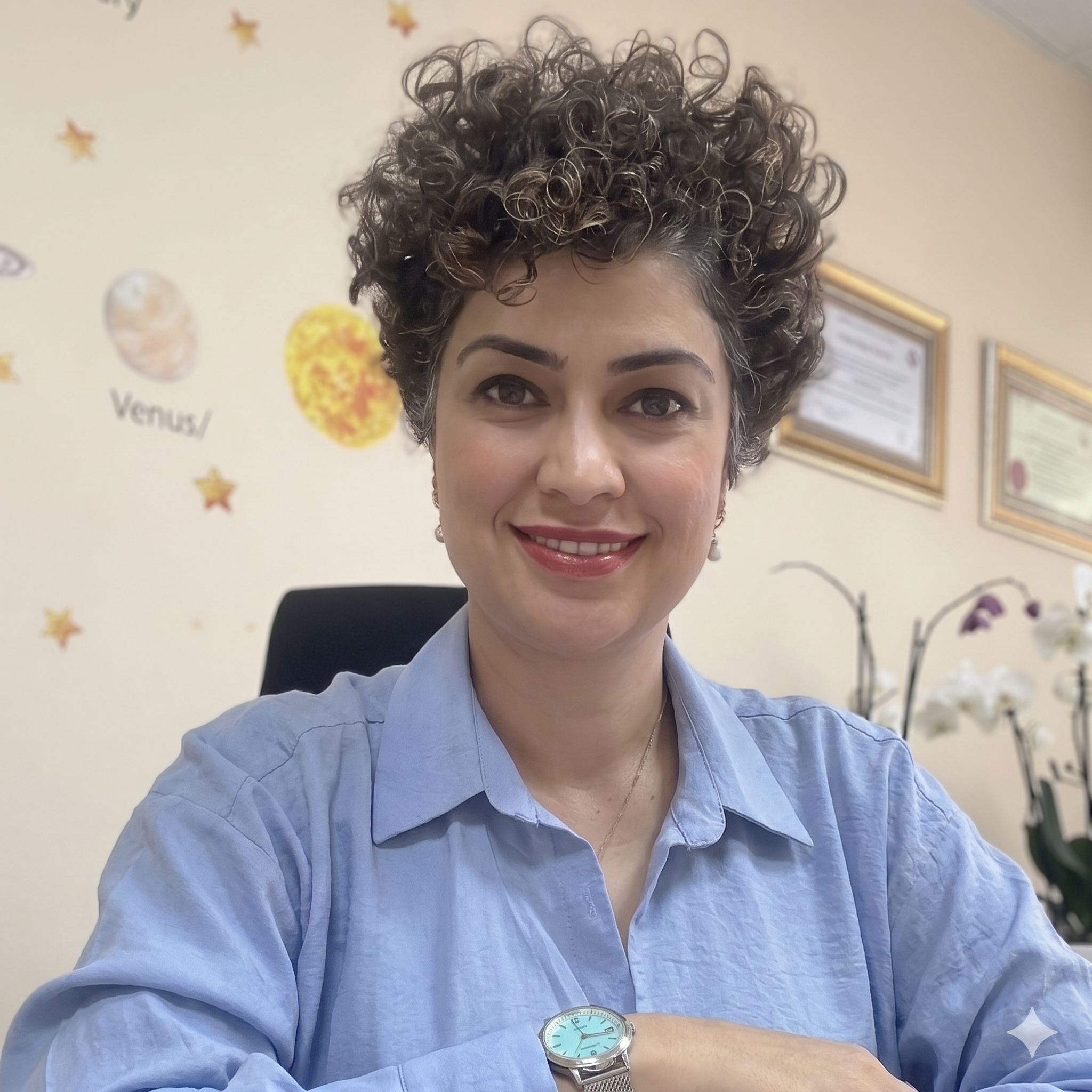
Doç. Dr. Mehtap Eroğlu
Associate Professor, Child and Adolescent Psychiatrist. Over 15 years of clinical experience. Ankara University Faculty of Medicine graduate.
View Full ProfileRelated Articles

Childhood Anxiety Disorder Specialist and Treatment Approaches: 2026 Guide

Test Anxiety Specialist Selection Guide: The Right Support for Academic Success
Test Anxiety in Children: Symptoms, Causes, and Solutions

Social Phobia Treatment in Adolescents: A Scientific Guide for Parents
Anxiety Disorders in Children: Comprehensive Parent Guide