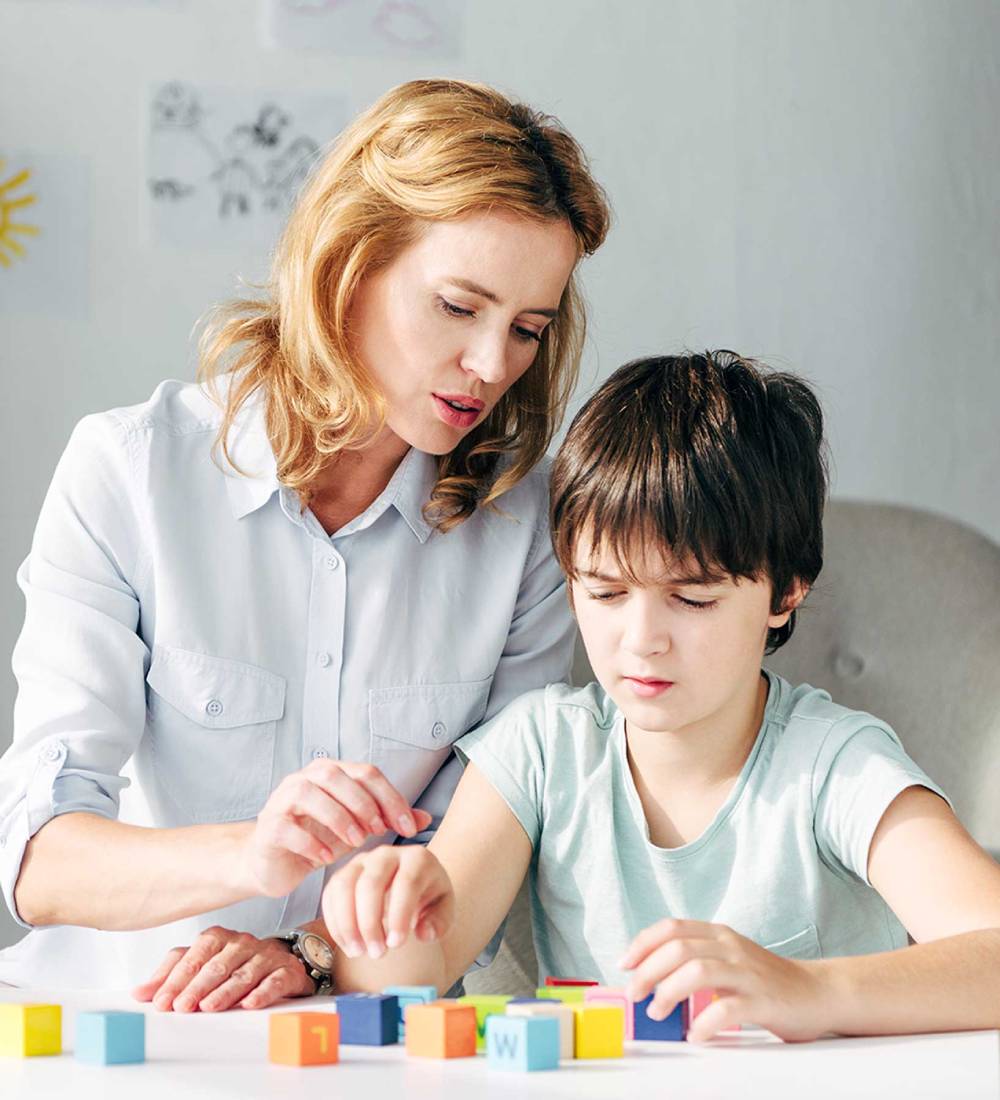


Panic disorder in children presents with sudden intense fear attacks, palpitations, shortness of breath and fear of dying. Often mistaken for physical illness due to somatic symptoms. Successful treatment with CBT, breathing exercises and individualized programs is available with Assoc. Prof. Mehtap Eroğlu in Ankara.
Panic Disorder and Panic Attacks in Children: A Comprehensive Parent's Guide
"My heart was pounding so fast, I couldn't breathe, I thought I was going to die." If you heard these words from an adult, you would probably think of a panic attack immediately. But what if a 9-year-old child is saying them? Or what if your 7-year-old daughter runs to your room in the middle of the night, clutching her chest, crying "Mom, my heart is going to stop"?
Yes, panic disorder and panic attacks are not exclusively adult problems. They occur in children and adolescents too — yet they are frequently unrecognized, mistaken for physical illnesses, and the path to proper treatment is delayed. In Ankara, children are taken to emergency departments repeatedly, cardiology and neurology investigations are performed, everything comes back normal — but the child's terror continues. I hear this scenario very frequently at my clinic in Ankara.
As Assoc. Prof. Mehtap Eroğlu, I always tell families of children with panic disorder: "These children are not exaggerating. The brain genuinely generates a danger signal, and the body responds as though a real threat is present. The heart races, breathing stops, dizziness strikes — and this experience is absolutely terrifying and real for the child. But the good news is this: Panic disorder is one of the anxiety disorders that responds best to proper treatment."
In this comprehensive guide, we will examine panic disorder in children from every angle: symptoms, causes, the panic cycle, the diagnostic process, emergency room experiences, and most importantly, evidence-based treatment methods — CBT, breathing exercises, interoceptive exposure, and family psychoeducation.
Key Points
- Panic attacks do occur in children; prevalence increases markedly during adolescence, reaching a lifetime prevalence of 2-3% in teenagers.
- Somatic symptoms (palpitations, shortness of breath, chest pain, dizziness) are frequently mistaken for physical illness; in Ankara, many children are taken to the emergency department repeatedly before receiving the correct diagnosis.
- Children describe their experience as "my heart will stop," "I'm dying," "I'm going crazy," or "I'm choking"; younger children use age-appropriate descriptions like "my insides squeezed tight" or "the room was spinning."
- **Anticipatory anxiety** (constant worry about when the next attack will come) and **avoidance behavior** (staying away from certain places and activities for fear of triggering an attack) are the core factors that chronify and expand panic disorder.
- **Cognitive Behavioral Therapy (CBT)** is the treatment with the strongest evidence base for panic disorder in children, with response rates of 70-85%.
- Breathing exercises (diaphragmatic breathing, box breathing), progressive muscle relaxation, and cognitive restructuring significantly reduce the frequency and intensity of attacks.
- Early evaluation with Assoc. Prof. Mehtap Eroğlu in Ankara is the most effective way to prevent long-term functional impairment, school absenteeism, and secondary depression.
What Is a Panic Attack? How It Differs from Panic Disorder
Defining a Panic Attack
A panic attack is characterized by a **sudden onset of intense fear or discomfort** accompanied by at least 4 physical or cognitive symptoms that peak within minutes (typically 10 minutes). Attacks generally last 10-30 minutes and rarely exceed an hour. For children, this duration feels like a lifetime.
Panic attacks can present in two forms:
- **Expected (situational) panic attack:** Develops in response to a specific trigger (dogs, heights, crowds, exams)
- **Unexpected panic attack:** Occurs spontaneously without any identifiable trigger, sometimes while resting or upon waking from sleep
In Ankara, Assoc. Prof. Mehtap Eroğlu explains this distinction to families, emphasizing: "Unexpected panic attacks surprise families more because there is no visible cause. The child is watching television or lying in bed when suddenly their heart starts racing and they cry 'I'm dying.' It is precisely this unpredictability that forms the foundation of anticipatory anxiety."
Panic Disorder Diagnostic Criteria (DSM-5)
For a diagnosis of panic disorder, **unexpected, recurrent panic attacks** must be experienced, followed by at least 1 month of one or more of the following:
- **Anticipatory anxiety:** Persistent, ongoing worry about having additional attacks ("Will it happen again?", "What will I do if it starts again?")
- **Catastrophic thoughts about attack consequences:** "Am I having a heart attack?", "Do I have a brain tumor?", "Am I losing my mind?"
- **Avoidance behavior:** Avoiding certain places (shopping centers, cinemas, school, elevators) or activities (sports, running, climbing stairs) for fear of triggering an attack
In Ankara, Assoc. Prof. Mehtap Eroğlu carefully evaluates these criteria and distinguishes panic disorder from other anxiety disorders (social phobia, specific phobia, separation anxiety). This distinction directly impacts the treatment plan.
Symptoms of Panic Attacks in Children: Age-Specific Expressions
Panic attack symptoms in children are similar to those in adults, but the way children express them varies significantly by age. Understanding these differences at our Ankara clinic accelerates diagnosis.
Physical (Somatic) Symptoms
- **Palpitations:** Rapid, strong, or irregular heartbeat sensation; children frequently clutch their chest
- **Shortness of breath:** "I'm choking," "I can't breathe," "there's not enough air"
- **Chest tightness or pain:** The primary trigger for fear of heart attack
- **Dizziness and lightheadedness:** "The room is spinning," "I'm going to faint"
- **Sweating:** Sudden cold sweating on palms, forehead, or entire body
- **Trembling or chills:** Uncontrollable shaking
- **Numbness or tingling:** In hands, feet, face, or lips (consequence of hyperventilation)
- **Nausea and stomach pain:** May be the most prominent complaint in younger children
- **Hot flashes or cold sweats:** Sensations of sudden temperature change
Cognitive Symptoms
- **Feeling of dying:** Children can express fear of death directly
- **"I'm having a heart attack" thought:** Particularly common in children over 8
- **Fear of "going crazy" or "losing control":** Prominent during adolescence
- **Derealization:** "Everything feels like a dream," "I'm not myself"
- **Depersonalization:** "I'm separating from my body"
Age-Specific Expression Differences
Assoc. Prof. Mehtap Eroğlu observes the following age-related differences in her Ankara clinical experience:
**Young children (ages 5-8):**
- "My insides squeezed tight," "my tummy hurts," "my head was spinning"
- Crying, clinging to parent, inability to move from the spot
- Physical complaints are in the foreground; the cognitive dimension cannot yet be articulated
- Frequently brought to the emergency department with "stomach pain"
**Older children (ages 9-12):**
- "My heart was beating so fast, I thought it would stop"
- "I couldn't breathe, I felt like I was choking"
- "I felt like I was going to die"
- The cognitive dimension begins to be expressed
**Adolescents (ages 13+):**
- Full clinical picture resembling adults
- "I'm going crazy," "I'm losing control"
- Derealization and depersonalization experiences
- Anticipatory anxiety and systematic avoidance are prominent
Causes and Mechanisms of Panic Disorder in Children
Panic disorder does not stem from a single cause; multiple factors converge to create this condition. In Ankara, Assoc. Prof. Mehtap Eroğlu conducts a comprehensive evaluation to understand the unique causal pattern in each case.
1. Biological Predisposition and Genetics
Panic disorder shows marked familial clustering; first-degree relatives face 4-7 times the general population risk. The brain structures responsible for threat detection — particularly the **amygdala** (fear center) and **locus coeruleus** (noradrenaline release center) — operate with heightened sensitivity in individuals with panic disorder. This means the brain issues a false alarm even when no real danger exists.
Communicating this information to families in Ankara is extremely important because it dispels common misconceptions such as "your child is exaggerating" or "if they wanted to, they could fix this psychological issue."
2. Cognitive Distortions: Catastrophic Interpretation
At the center of the panic cycle lies the catastrophic interpretation of bodily sensations. A normal increase in heart rate is interpreted as "I'm having a heart attack"; mild dizziness as "I have a brain tumor"; a small change in breathing as "I'm choking." This interpretation increases anxiety, anxiety produces more physical symptoms, more symptoms lead to more catastrophic interpretation — and the cycle is complete.
Assoc. Prof. Mehtap Eroğlu explains this cycle to children in her Ankara CBT sessions using age-appropriate language: "Your brain has a fire alarm. Normally it only goes off when there's a real fire. But with panic disorder, this alarm has become faulty — it goes off even when you're just making toast! Our job is to recalibrate this alarm."
3. Hyperventilation Cycle
Anxiety-driven rapid breathing (hyperventilation) lowers blood carbon dioxide levels. This decrease causes dizziness, numbness, tingling, lightheadedness, and feelings of unreality — all of which are also panic symptoms. The child interprets these symptoms as "something is wrong with me," becomes more anxious, and breathes even faster. This vicious cycle plays a critical role in the panic attack reaching its peak.
4. Learned Avoidance and Negative Reinforcement
After the first panic attack, the child codes the location or situation where the attack occurred as dangerous. Avoiding that place or situation reduces anxiety in the short term (negative reinforcement) but strengthens panic disorder in the long term and expands the avoidance area. In cases I see in Ankara, children have progressively begun avoiding the school cafeteria, physical education class, crowded shopping centers, and eventually school itself.
5. Stress and Triggering Life Events
Intense academic stress, exam periods, family conflict, parental separation, loss, relocation, or traumatic experiences can trigger the first panic attack. In Ankara, Assoc. Prof. Mehtap Eroğlu carefully investigates triggering events in each case, as this information is determinative in shaping the treatment plan.
The Panic Cycle: Why Do Attacks Recur?
Understanding the panic cycle is essential to understanding treatment. This cycle explains why panic disorder does not resolve on its own and why treatment is necessary:
1. **Trigger (real or imagined):** A bodily sensation (noticing heartbeat), a thought ("what if an attack comes now"), a place (crowded setting), or no apparent trigger at all
2. **Catastrophic interpretation:** "This pounding heart is a sign of something dangerous"
3. **Anxiety escalates:** The brain issues a danger signal, the sympathetic nervous system activates, adrenaline is released
4. **Physical symptoms intensify:** Heart beats faster, breathing accelerates, muscles tense, sweating begins
5. **Further catastrophizing:** "It's happening again! Something is definitely wrong with me!"
6. **Panic reaches its peak:** Several terrifying minutes
7. **Attack subsides:** Symptoms diminish within 10-30 minutes
8. **Anticipatory anxiety begins:** "When will it happen again? What if it happens at school? In front of everyone?"
9. **Avoidance behavior develops:** "I shouldn't do PE — my heart will race," "I shouldn't go to the mall"
10. **Cycle strengthens:** As avoidance increases, the world shrinks, and anxiety generalizes
In Ankara, Assoc. Prof. Mehtap Eroğlu explains this cycle to both the child and family using visual diagrams. Understanding the cycle is the first and most important step of treatment.
Emergency Room Experiences and Delayed Diagnosis
Many families in Ankara initially bring their child to a cardiology or neurology emergency department after the first panic attack. This is extremely common and entirely understandable — because a child experiencing palpitations, chest pain, and shortness of breath needs to be medically evaluated.
However, the typical scenario unfolds as follows: ECG is performed — normal. Blood tests are run — normal. Thyroid is assessed — normal. Chest X-ray is taken — normal. The family is sent home with "nothing is wrong." The child returns to the emergency department with the same presentation the following week. This cycle sometimes continues for months.
Assoc. Prof. Mehtap Eroğlu explains the situation to Ankara families as follows: "Normal test results are good news — the heart, lungs, and brain are healthy. But saying 'nothing is wrong' is not accurate. Panic disorder is a real diagnosis with real treatment. It is identified not through ECG or blood tests, but through clinical evaluation."
Diagnosis: Comprehensive Assessment in Ankara
Assoc. Prof. Mehtap Eroğlu conducts panic disorder evaluation at her Ankara clinic in a systematic, multi-dimensional manner:
1. Ruling Out Medical Causes
Medical conditions that can produce panic-like symptoms are excluded:
- **Thyroid disorders:** Hyperthyroidism creates a presentation very similar to panic symptoms
- **Cardiac arrhythmias:** Rare but must be excluded
- **Hypoglycemia:** Low blood sugar can produce panic-like symptoms
- **Epilepsy:** Temporal lobe seizures can mimic panic attacks
- **Asthma:** Shortness of breath is important in differential diagnosis
- **Caffeine and energy drinks:** A frequently overlooked trigger in adolescents
Pediatric, cardiology, or endocrinology consultation is arranged when warranted. In Ankara, Assoc. Prof. Mehtap Eroğlu coordinates the medical evaluation.
2. Detailed Clinical Interview
Onset of attacks, frequency, duration, triggers (if any), extent of anticipatory anxiety, breadth of avoidance behavior, and impact on daily functioning are comprehensively explored.
3. Standardized Assessment Tools
- **SCARED:** Overall anxiety level and panic subscale
- **Panic Disorder Severity Scale for Children (PDSS-C):** Attack frequency, severity, and avoidance level
- **CDI (Children's Depression Inventory):** Screening for co-occurring depression
- Forms administered to both child and parent
4. Assessment of Co-Occurring Disorders
Panic disorder rarely occurs alone. In our Ankara clinical experience, frequently co-occurring conditions include agoraphobia, social anxiety disorder, specific phobias, depression, and ADHD. Assoc. Prof. Mehtap Eroğlu evaluates these co-occurring conditions carefully in Ankara because the treatment plan is shaped accordingly.
Treatment of Panic Disorder: Evidence-Based Approaches
1. Cognitive Behavioral Therapy (CBT)
CBT is the treatment with the **strongest evidence base** for panic disorder in children, with response rates of 70-85%. The CBT protocol applied by Assoc. Prof. Mehtap Eroğlu in Ankara includes:
**a) Psychoeducation (1-2 Sessions)**
Explaining the panic cycle to the child and family in age-appropriate language forms the foundation of treatment. Assoc. Prof. Mehtap Eroğlu uses metaphors in her Ankara sessions:
- **"Faulty alarm" metaphor:** "Your brain has a fire alarm. Normally it only goes off during a real fire. But yours has become a bit too sensitive — it goes off even when you're making toast! We're going to recalibrate that alarm."
- **"Wave" metaphor:** "A panic attack is like a wave — it rises, reaches its peak, and always comes back down. No wave rises forever."
**b) Cognitive Restructuring (3-5 Sessions)**
Challenging catastrophic thoughts and replacing them with realistic alternatives:
| Catastrophic Thought | Realistic Alternative |
|---|---|
| "My heart is racing — I'm having a heart attack" | "My heart speeds up when I'm anxious — this is a normal body response. Heart attacks are extremely rare in children" |
| "I can't breathe — I'm going to choke" | "I'm breathing fast, but air is still getting in. If I slow my breathing, it will improve" |
| "I'm going to faint" | "Fainting during a panic attack is very rare. I have never fainted before" |
| "I'm going crazy — losing control" | "This is just a feeling created by anxiety. I am not actually losing control" |
**c) Interoceptive Exposure (3-4 Sessions)**
This is CBT's most powerful component. Panic sensations are deliberately induced in a safe environment with the therapist to achieve habituation:
- **Rapid breathing (hyperventilation provocation):** 30 seconds of fast breathing — produces dizziness and tingling
- **Spinning in a chair:** Produces dizziness
- **Running in place:** Produces increased heart rate
- **Breathing through a thin straw:** Produces sensation of shortness of breath
The child learns through experience that these sensations are not dangerous — they are simply the body's normal responses. In Ankara, Assoc. Prof. Mehtap Eroğlu conducts interoceptive exposure sessions by affirming the child's courage and gamifying the experience.
**d) Situational Exposure (4-6 Sessions)**
Gradually re-engaging with avoided situations in a stepped hierarchy, from least to most anxiety-provoking. This process also runs in parallel in the school environment in Ankara.
2. Breathing Exercises and Relaxation Techniques
Breaking the hyperventilation cycle is a critical step in interrupting the panic cycle. Assoc. Prof. Mehtap Eroğlu teaches children age-appropriate breathing techniques during the treatment process in Ankara:
**Diaphragmatic Breathing (4-7-8 Technique):**
- Inhale slowly through the nose for 4 seconds (belly rises)
- Hold for 7 seconds
- Exhale slowly and controlled through the mouth for 8 seconds (belly falls)
- Repeat 3-4 times
**Box Breathing:**
- Inhale 4 seconds — hold 4 seconds — exhale 4 seconds — hold 4 seconds
- Applied while drawing or imagining a square
**Balloon Breathing (For Young Children):**
- Inflate the belly like a balloon while inhaling
- Slowly deflate the balloon while exhaling
- This gamified technique is very effective for the 5-7 age group
**Progressive Muscle Relaxation (PMR):**
- Different muscle groups are tensed for 5 seconds then released for 10 seconds sequentially
- Hands → arms → shoulders → face → abdomen → legs → feet
Assoc. Prof. Mehtap Eroğlu emphasizes that these exercises must be practiced **as part of the daily routine** every day (even without panic). The homework given to families in Ankara: "Breathing exercises twice a day — before breakfast and before bed."
3. School Coordination
Collaboration with Ankara schools is a critical component in treating children with panic disorder. Assoc. Prof. Mehtap Eroğlu coordinates the following accommodations:
- Identification of a "safe space" where the child can go during panic (guidance office, library)
- Permission to leave class without asking when panic arises (this reassurance alone reduces anticipatory anxiety)
- Briefing the school counselor with a written guide about panic disorder
- Exam stress management accommodations (extra time, separate room)
- Graduated re-engagement plan for physical education class
- Teacher awareness that "this child is not exaggerating — they are experiencing a real anxiety disorder"
4. Parent Training and Family Psychoeducation
Parental responses directly affect the child's rate of recovery. In family sessions in Ankara, Assoc. Prof. Mehtap Eroğlu teaches:
**During a panic attack:**
- Remain calm (do not project your own anxiety onto the child)
- Say "It will pass, you are safe, this is just anxiety"
- Practice slow breathing together
- Be physically present without over-holding
**Managing avoidance:**
- Encourage graduated re-engagement with avoided situations at an appropriate pace
- Understand that "avoidance provides short-term relief but grows the fear long-term"
- Naturally acknowledge small successes
- Establish consistent family routines that support recovery
5. Medication
In severe cases, when CBT response is insufficient, or when accompanied by severe depression or agoraphobia, **SSRI medications** (sertraline, fluoxetine) may be added by the psychiatrist. In Ankara, Assoc. Prof. Mehtap Eroğlu uses medication only as an adjunct to psychotherapy, never as a standalone treatment. Children who begin medication undergo close clinical monitoring for response and side effects.
Evaluation Process with Assoc. Prof. Mehtap Eroğlu
Children presenting with panic symptoms to Assoc. Prof. Mehtap Eroğlu's Ankara clinic follow this structured treatment path:
Initial Consultation (45-60 Minutes)
Detailed attack history, distribution of physical symptoms, extent of anticipatory anxiety, breadth of avoidance behavior, and impact on family functioning and school performance are comprehensively assessed. Pediatric or cardiology coordination is arranged if needed. Previous investigation results are reviewed in Ankara.
Diagnosis and Psychoeducation (Session 2)
The panic cycle is explained to both child and family using visual diagrams, drawings, and metaphors. The question "what is happening?" is answered scientifically and comprehensibly. Assoc. Prof. Mehtap Eroğlu considers the moment when the family says "so that's what it is!" as the turning point of treatment in her Ankara sessions.
Individualized Treatment Plan
A personalized CBT program is constructed based on the child's age, symptom severity, avoidance level, co-occurring conditions, and family dynamics. Every child's treatment roadmap is different in Ankara.
Weekly Therapy Sessions
CBT components (psychoeducation, cognitive restructuring, breathing exercises, interoceptive exposure, situational exposure) are applied progressively. Family sessions teach parents home applications and avoidance management.
Progress Evaluation
Attack frequency, anticipatory anxiety level, narrowing of avoidance area, and school and social functioning are regularly assessed during follow-up sessions in Ankara. The avoidance hierarchy is updated.
Maintenance and Relapse Prevention
Once significant improvement is achieved, session frequency is reduced. A relapse prevention plan is taught to the child and family: preparation for "what will we do if an attack occurs in the future?" Assoc. Prof. Mehtap Eroğlu continues to offer support to Ankara families in the post-treatment period.
Prognosis of Panic Disorder
The prognosis for panic disorder beginning in childhood and receiving treatment is generally favorable. Research demonstrates:
- CBT response rate: **70-85%**
- The majority of treatment gains are **maintained long-term**
- Early intervention significantly reduces the risk of chronification
When treatment is delayed:
- Avoidance behavior progressively expands (withdrawal from school, social settings, and physical activity)
- School absenteeism increases and academic performance declines
- Risk of secondary depression rises
- Social functioning deteriorates and isolation deepens
- Risk of developing agoraphobia increases
Early referral in Ankara and proper treatment with Assoc. Prof. Mehtap Eroğlu is the most effective way to prevent this negative trajectory.
Conclusion
If your child is experiencing sudden palpitations, shortness of breath, dizziness, and intense fear attacks — and medical investigations return normal — panic disorder is a very important diagnosis to consider. This is not the child's exaggeration but a real, albeit erroneous, alarm signal from the brain. The way out of this experience is not through avoidance, but through accurate information and evidence-based treatment.
In Ankara, Assoc. Prof. Mehtap Eroğlu offers comprehensive assessment, an individualized CBT program, breathing exercise training, school coordination, and family psychoeducation for children with panic disorder. It is genuinely possible, with the right support, for the terrifying panic attacks your child is experiencing to stop recurring. If you notice that your child is experiencing panic attacks, please do not wait — seek expert support without delay. Contact our clinic in Ankara to schedule an appointment.
Frequently Asked Questions
Çocuklarda panik atak gerçekten görülür mü?
Evet, panik ataklar yalnızca yetişkinlerin sorunu değildir. Çocuklarda da görülür; özellikle ergenlik döneminde prevalans belirgin biçimde artar ve yaşam boyu prevalans ergenlerde %2-3'e ulaşır. Küçük çocuklarda somatik belirtiler (mide ağrısı, çarpıntı) ön plandadır ve sıklıkla fiziksel hastalıkla karıştırılır. Ankara'da Doç. Dr. Mehtap Eroğlu, çocuklarda panik bozukluk tanısını klinik değerlendirmeyle koyar ve yaşa uygun tedavi planı oluşturur.
Çocuğumun yaşadığı panik atak mı yoksa kalp sorunu mu, nasıl anlarım?
Panik atak belirtileri (çarpıntı, göğüs ağrısı, nefes darlığı) gerçek bir kalp sorununun belirtileriyle karışabilir. Temel fark şudur: Panik atakta tüm tıbbi tetkikler (EKG, kan tahlili, tiroid) normal çıkar; atak genellikle 10-30 dakikada kendiliğinden geçer; stres veya kaygıyla ilişkilidir. Ankara'da önce pediatrik değerlendirme ile tıbbi nedenler dışlanmalı, ardından Doç. Dr. Mehtap Eroğlu ile psikiyatrik değerlendirme yapılmalıdır.
Panik atak sırasında çocuğuma nasıl yardım etmeliyim?
Öncelikle sakin kalın — kendi kaygınızı çocuğa yansıtmayın. 'Geçecek, güvendesin, bu sadece kaygı' deyin. Birlikte yavaş ve derin nefes almayı deneyin (4 saniye al, 7 saniye tut, 8 saniye ver). 'Kesin bir şeyin var' diyerek felaket yorumunu güçlendirmeyin. Atak geçtikten sonra çocuğun cesaretini onaylayın. Ankara'da Doç. Dr. Mehtap Eroğlu, ebeveyn eğitimi seanslarında bu yaklaşımları ayrıntılı biçimde öğretir.
Nefes egzersizleri panik ataklarda gerçekten etkili mi?
Evet, ancak doğru öğrenilip düzenli pratik yapıldığında. Nefes egzersizleri (diyafragmatik nefes, kare nefes) hiperventilasyon döngüsünü kırar ve kaygı eşiğini genel olarak düşürür. Panik sırasında 'anında çözüm' olarak değil, günlük rutinin bir parçası olarak uygulandığında en etkilidir. Doç. Dr. Mehtap Eroğlu, Ankara'daki tedavi sürecinde çocuklara yaşlarına uygun nefes tekniklerini öğretir ve her gün iki kez uygulama önerir.
Panik bozukluk tedavisi ne kadar sürer?
Hafif-orta şiddetteki vakalarda 12-16 seanslık BDT ile belirgin iyileşme sağlanır. Ağır vakalarda, eşlik eden bozuklukların (depresyon, agorafobi) varlığında veya gecikmiş tanılarda süreç uzayabilir. BDT'ye yanıt oranı %70-85 düzeyindedir. Doç. Dr. Mehtap Eroğlu, Ankara'daki kliniğinde her çocuk için bireyselleştirilmiş tedavi planı oluşturur ve düzenli ilerleme değerlendirmesi yapar.
Çocuğum panik nedeniyle okula gitmek istemiyorsa ne yapmalıyım?
Okul kaçınması panik bozuklukta sık görülür ve erken müdahale gerektirir. Çocuğu okula göndermemeyi sürdürmek kaçınma döngüsünü güçlendirir ve durumu kötüleştirir. Okulla koordineli, kademeli bir geri dönüş planı hazırlanmalıdır: güvenli alan belirlenmesi, sınıftan çıkma izni ve rehber öğretmen desteği kritiktir. Doç. Dr. Mehtap Eroğlu, Ankara'daki okulların rehber öğretmenleriyle aktif işbirliği yaparak bu süreci yönetir.
Panik bozukluk için çocuğuma ilaç verilmeli mi?
Her vakada ilaç gerekmez. BDT çoğu vakada tek başına yeterlidir ve birinci basamak tedavidir. Şiddetli olgularda, BDT'ye yetersiz yanıt alınan durumlarda veya eşlik eden ağır depresyon/agorafobide SSRI grubu ilaçlar eklenebilir. Bu karar, Doç. Dr. Mehtap Eroğlu tarafından Ankara'daki kapsamlı değerlendirme sonrasında verilir. İlaç hiçbir zaman terapinin yerine geçmez, yanında kullanılır.
Panik bozukluk tedavi edilmezse ne olur?
Tedavi edilmezse panik bozukluk genellikle kronikleşir. Kaçınma davranışı giderek genişler (okul, sosyal ortamlar, fiziksel aktivite), okul devamsızlığı artar, akademik performans düşer, ikincil depresyon gelişebilir ve agorafobi riski yükselir. Erken müdahale ile çocukların büyük çoğunluğu tam iyileşmeye ulaşır. Ankara'da Doç. Dr. Mehtap Eroğlu ile erken değerlendirme, bu olumsuz gidişatı önlemenin en etkili yoludur.
References
- Pincus DB, May JE, Whitton SW, Mattis SG, Barlow DH (2010). Cognitive-behavioral treatment of panic disorder in adolescents. Journal of Clinical Child and Adolescent Psychology, 39(5), 638-649. doi:10.1080/15374416.2010.501288
- Birmaher B, Ollendick TH (2004). Childhood-onset panic disorder. Phobic and Anxiety Disorders in Children and Adolescents, 306-333
- Walkup JT, Albano AM, Piacentini J, et al. (2008). Cognitive behavioral therapy, sertraline, or a combination in childhood anxiety. New England Journal of Medicine, 359(26), 2753-2766. doi:10.1056/NEJMoa0804633
- Craske MG, Barlow DH (2014). Panic disorder and agoraphobia. Clinical Handbook of Psychological Disorders (5th ed.), 1-61
- Ginsburg GS, Riddle MA, Davies M (2006). Somatic symptoms in children and adolescents with anxiety disorders. Journal of the American Academy of Child and Adolescent Psychiatry, 45(10), 1179-1187. doi:10.1097/01.chi.0000231974.43966.6e
- Ollendick TH, Pincus DB (2008). Panic disorder in adolescents. Behavioral Interventions for Children and Adolescents, 417-437
- Barlow DH, Craske MG (2007). Mastery of Your Anxiety and Panic: Therapist Guide (4th ed.). Oxford University Press
- Mattis SG, Pincus DB (2004). Treatment of SAD and panic disorder in children and adolescents. Evidence-Based Psychotherapies for Children and Adolescents, 154-170
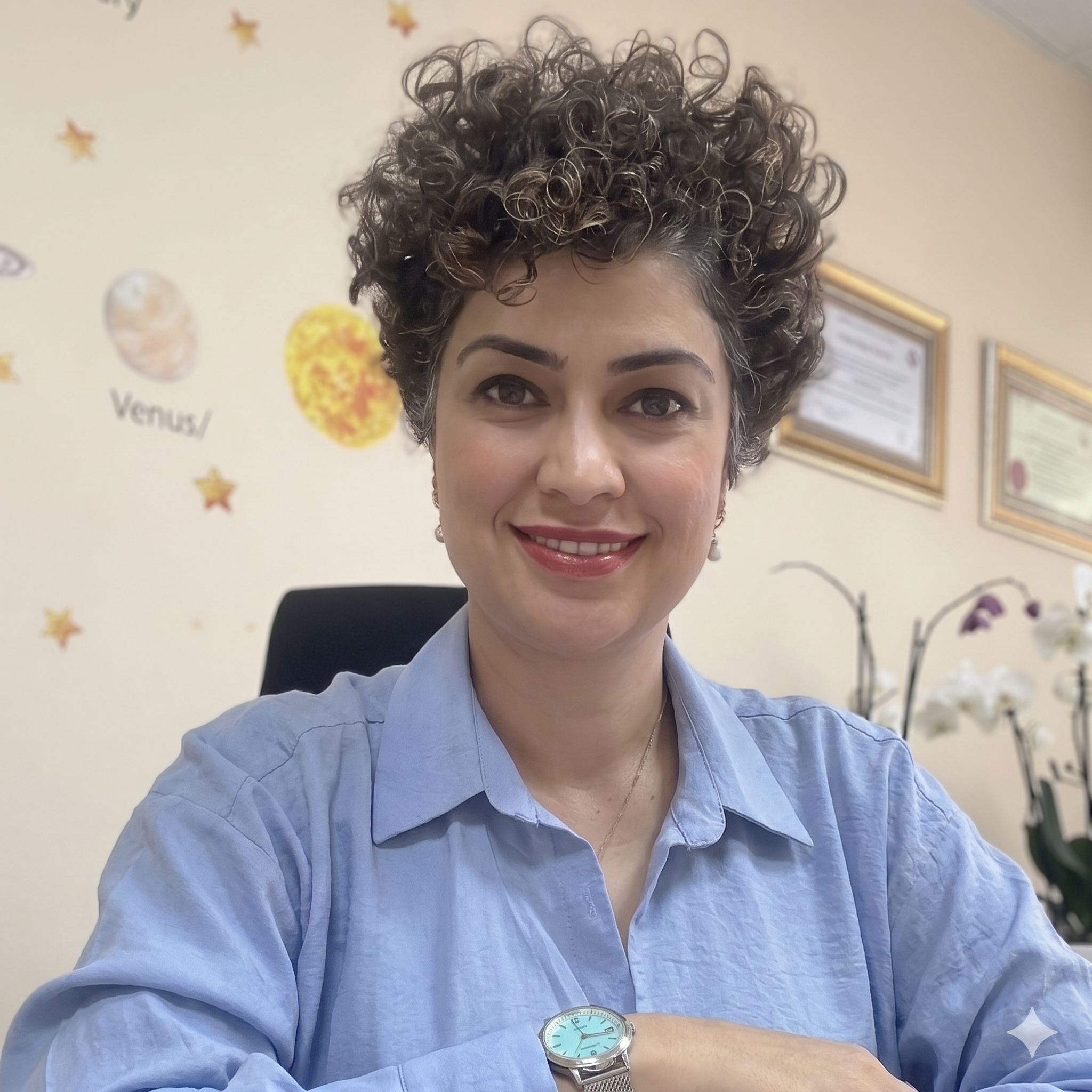
Doç. Dr. Mehtap Eroğlu
Associate Professor, Child and Adolescent Psychiatrist. Over 15 years of clinical experience. Ankara University Faculty of Medicine graduate.
View Full ProfileRelated Articles

Childhood Anxiety Disorder Specialist and Treatment Approaches: 2026 Guide

Test Anxiety Specialist Selection Guide: The Right Support for Academic Success
Test Anxiety in Children: Symptoms, Causes, and Solutions

Social Phobia Treatment in Adolescents: A Scientific Guide for Parents
Anxiety Disorders in Children: Comprehensive Parent Guide