


Have you noticed stuttering, sound omissions or delayed speech in your child? A scientific guide on speech disorders, stuttering and language delay by child psychiatrist Doç. Dr. Mehtap Eroğlu in Ankara.
Speech Disorders and Stuttering: A Comprehensive Guide for Your Child's Voice
When you notice your child getting stuck on a word repeatedly, prolonging a sound, or pausing unable to finish a sentence, the tight feeling in your chest is completely understandable. Perhaps you observed them struggling to speak in front of friends, or perhaps a teacher raised the concern. As a child psychiatrist in Ankara, I know that many families reach out to me at exactly this point: "Doctor, will it get better? Did we do something wrong?"
In this guide, I want to equip you with both scientific knowledge and practical direction. Speech disorders and stuttering are conditions that can be significantly improved with early intervention. As Doç. Dr. Mehtap Eroğlu, through the evaluation processes I conduct in Ankara, I have experienced time and again that every child's story is different, and therefore every treatment plan must be uniquely designed.
Key Points
- Speech disorders appear in different forms including articulation difficulties, phonological disorders, stuttering (fluency disorder), and language development delay; accurate diagnosis requires each to be evaluated separately.
- Stuttering affects not only the speech mechanism but also the child's self-confidence, social relationships, and anxiety levels; therefore, collaboration between a speech-language therapist and a child psychiatrist in Ankara is critically important.
- The early intervention age (2-6 years) has the highest recovery potential; however, meaningful progress can also be made with support beginning during school age and adolescence.
- There is a bidirectional relationship between anxiety disorders and stuttering: anxiety worsens stuttering, and stuttering feeds anxiety; only a holistic evaluation can break this vicious cycle.
- Parents' attitudes are among the most powerful determinants of treatment; a patient, pressure-free, and supportive home environment multiplies the effect of professional therapy.
What Are Speech Disorders? Types and Symptoms
Articulation Disorder
An articulation disorder is when a child cannot correctly produce sounds expected for their language age. For example, a 4-year-old mispronouncing the "r" sound is within expectations, but in a child over 6, this situation requires clinical evaluation. Common presentations I frequently encounter in my Ankara evaluation process include:
- **Omission:** Saying "at" instead of "cat"
- **Substitution:** Saying "wabbit" instead of "rabbit"
- **Distortion:** Producing a sound that is close but incorrect
Articulation difficulties generally present as an isolated finding and respond well to speech-language therapy. As Doç. Dr. Mehtap Eroğlu, I actively collaborate with speech-language therapists in Ankara for these presentations.
Phonological Disorder
Phonological disorder is a deeper processing problem than articulation disorder. The child can physically produce the sound, but cannot grasp how sounds are organized in the mental language system. Therefore, the same sound may be incorrectly produced in different ways in different contexts. We know that in children diagnosed with phonological disorder in Ankara, the risk of reading difficulty (dyslexia) also increases; therefore, both speech and reading-writing skills should be monitored together from an early age.
**Commonly seen phonological processes:**
- Deleting final consonants in words ("ca" instead of "cat")
- Syllable reduction
- Simplifying consonant clusters ("top" instead of "stop")
Fluency Disorder (Stuttering)
Stuttering is classified by the World Health Organization in the fluency disorder category. It manifests as repetitions of sounds or syllables, prolongations, or blocks (complete halting). In my clinical work across Ankara, I have observed that the prevalence of stuttering in preschool children is approximately 5%, some of which resolve spontaneously, but around 1% become persistent.
**Three core symptoms of stuttering:**
- **Repetition:** "I-I-I am going"
- **Prolongation:** "Iiiii am going"
- **Block:** Facial or neck tension without sound production, silent pause
Language Development Delay and Late Talking
"Late talker" and "language development delay" are concepts frequently confused with each other. In my meetings with families in Ankara, it is necessary to clearly delineate this distinction:
- **Late talker:** Language comprehension skills are age-appropriate, but expressive language is behind. Many catch up with peers by age 3-4.
- **Language development delay:** Significant delay in both comprehension and expression relative to age. Comprehensive evaluation and early intervention are essential.
As Doç. Dr. Mehtap Eroğlu in Ankara, I remind families of the following key milestones:
| Age | Expectation |
|-----|-------------|
| 12 months | Single words (mama, dada) |
| 18 months | At least 10-20 words |
| 24 months | Two-word phrases |
| 36 months | Short sentences, speech understandable by strangers |
| 48 months | 4-5 word sentences, beginning of story narration |
Falling significantly behind these steps constitutes a sufficient reason for specialist evaluation in Ankara.
Social Communication Disorder
Defined as a separate category in DSM-5, social (pragmatic) communication disorder refers to the situation where a child uses language structure and sounds correctly but cannot communicate appropriately in social contexts. In my clinical practice in Ankara, this presentation is frequently evaluated together with autism spectrum disorder assessment.
Stuttering: Causes and Scientific Foundations
Neurobiological Origins
Neuroimaging studies of the past decade have revealed that stuttering is not merely psychological or caused by "nervousness," but is related to differences in the brain's speech planning and motor coordination regions. Transmission patterns in Broca's area, basal ganglia, and cerebellar circuits differ in individuals who stutter. This information I share with families in Ankara is extremely important to prevent misconceptions like "your child could fix it if they wanted." Stuttering is not a character flaw; it is a neurologically-based speech disorder.
Genetic Predisposition
Stuttering is known to show familial aggregation. Research shows that first-degree relatives of people who stutter have this condition 3 times more frequently than the general population. Variants in the GNPTAB, GNPTG, and NAGPA genes have been associated with stuttering risk. When parents in Ankara come with the anxiety of "what did we do to our child?", I emphasize that genetic predisposition is not a source of guilt, but a component that helps make sense of the diagnosis.
Developmental Stuttering and Spontaneous Recovery
Speech fluency can coincide with the explosion of language development in the 2-5 age period. It is critical to distinguish between "normal disfluency" that appears during this period and true stuttering:
**Signs that spontaneous recovery is likely:**
- No family history
- Female child (spontaneous recovery rate is higher in girls)
- Less than 6-12 months since onset
- Child is not bothered by stuttering
- Only repetitions, no blocks or prolongations
**Signs requiring specialist support:**
- Male child, family history
- Continues for more than 12 months
- Blocks and prolongations are prominent
- Facial tension, avoidance behaviors
- Child is reluctant to speak, embarrassed
Anxiety and Stuttering: The Vicious Cycle
The most common presentation I encounter in my clinical practice in Ankara is this: A child with stuttering begins to feel anxious thinking they will stutter in social settings. As anxiety increases, speech fluency deteriorates further. This negative experience erodes self-confidence, fuels social avoidance, and feeds anxiety. As Doç. Dr. Mehtap Eroğlu in Ankara, I recommend both speech therapy and child psychiatry evaluation together to break this vicious cycle. Especially when social anxiety, specific phobia, or generalized anxiety disorder accompanies, psychiatric intervention is essential.
Environmental Triggers
Environmental factors that can increase the severity of stuttering include:
- Being interrupted before finishing speaking
- Pressure like "say it again, say it properly"
- Family members who speak rapidly
- Noise and chaos in the home environment
- Transition periods such as school entry, birth of a sibling
- Fatigue and illness
None of these factors are the sole cause of stuttering by themselves; however, combined with existing predisposition, they can significantly worsen symptoms. In family consultations conducted with Doç. Dr. Mehtap Eroğlu in Ankara, these triggers are systematically examined.
When Is Specialist Support Needed?
Many families in Ankara lose valuable time thinking "let's wait, maybe it will pass." I recommend consulting Doç. Dr. Mehtap Eroğlu's clinic if any of the following conditions are present:
Concerning Signs in Speech Development
- **At 12 months:** No words at all, not turning to their name, not using gestures
- **At 18 months:** Fewer than 10 words, no two-word phrases at all
- **At 24 months:** Difficult for strangers to understand, decreased social interaction
- **Age 3 and above:** Speech has not reached sentence level, intelligibility is low
- **At any age:** Regression in existing speech skills
Referral Criteria for Stuttering
I recommend evaluation with Doç. Dr. Mehtap Eroğlu in Ankara when you encounter the following presentations:
- No improvement or worsening after 3-6 months from onset
- Secondary motor behaviors accompanying speech, such as facial tension, blinking, head shaking
- The child beginning to avoid speaking
- Avoidance of social situations (raising hand in class, phone conversations)
- Noticeable loss of self-confidence, crying, or temper tantrums for their age
- Negative impact on school performance
Referral Criteria for Articulation and Phonology
Expected age limits for articulation evaluation in Ankara are as follows:
- If speech is not largely intelligible at age 3
- If those outside the family cannot understand most of it at age 4
- If significant sound errors continue at age 5
- At any age, if not only sounds but language comprehension is also weak
Treatment and Therapy Approaches
Speech-Language Therapy
Speech-language therapy (SLT) is the primary treatment component for speech disorders. Within the framework of collaboration I maintain with specialist speech-language therapists in Ankara, Doç. Dr. Mehtap Eroğlu coordinates the evaluation and referral process.
**Evidence-based SLT methods for stuttering:**
- **Lidcombe Program:** Direct parent-involved therapy in preschool children. Based on the principle of gently reinforcing fluent speech. This is one of the most effective early intervention protocols we apply in Ankara.
- **Prolonged Speech:** Increases fluency by slowing speech rate; used in school-age children and adolescents.
- **Easy Onset Techniques:** Teaches soft initiation of sound.
- **Acceptance and Commitment Therapy (ACT):** Addresses the anxiety and avoidance behavior created by stuttering; particularly valuable in adolescent patients in Ankara.
**SLT approaches for articulation and phonology:**
- Motor learning principles (numerous repetitions, immediate feedback)
- Minimal pairs therapy (in phonological disorder)
- Natural environment teaching (home and school generalization)
Child Psychiatry Evaluation
Why is the role of the child psychiatrist indispensable in speech disorders? As Doç. Dr. Mehtap Eroğlu in Ankara, I frequently emphasize the following reasons:
1. **Evaluation of accompanying psychiatric conditions:** ADHD, anxiety disorders, autism spectrum disorder, specific learning disabilities, and speech disorders are frequently seen together. Identifying these conditions can fundamentally change the treatment plan.
2. **Breaking the vicious cycle:** In the anxiety-stuttering cycle, psychotherapeutic intervention (CBT, play therapy) creates a synergistic effect with speech therapy.
3. **Pharmacological support when needed:** In cases of severe social anxiety or ADHD accompanying stuttering, adding appropriate medication under the supervision of Doç. Dr. Mehtap Eroğlu in Ankara may support the effectiveness of speech therapy.
4. **Family psychoeducation:** Parents' attitudes, expectations, and communication styles determine the course of treatment. Family psychoeducation is always at the center of the process in our clinical consultations in Ankara.
School-Based Support
Collaboration with guidance counselors and school psychologists in Ankara's schools is critical for the generalization of treatment. Doç. Dr. Mehtap Eroğlu prepares school notification letters and teacher guides when necessary to ensure your child is also supported in the school environment in Ankara.
**Helpful practices in the school environment:**
- Giving the child speaking opportunities without time pressure
- Occasionally offering written response options instead of verbal answers
- Ensuring the topic is known in advance before presentations
- Raising awareness about stuttering in class (with the child's consent)
Technology-Assisted Aids
- **DAF/FAF devices:** Delayed Auditory Feedback instantly increases fluency in many people who stutter. We include these tools in our evaluation process for older adolescent and adult patients in Ankara.
- **Speech therapy applications:** Stuttering severity measurement tools, home exercise applications.
The Role of Parents: Creating a Supportive Environment at Home
What to Do
The most important message I convey to families as Doç. Dr. Mehtap Eroğlu in Ankara is this: **Listen to what your child says, not how they say it.** Maintain eye contact, wait with a calm facial expression. Do not complete their sentence or speak for them.
**Supportive speech practices at home:**
- Create 5-10 minutes of "special talking time" each day: TV off, phone down, just listening to your child.
- Consciously slow your own speech rate; children model their parents' speaking speed.
- Reduce questions. Asking questions one after another creates speech pressure; instead use comment sentences ("That game looks fun").
- Gently appreciate fluent speech but pass over stuttering without any comment.
- Ensure all family members including siblings follow the same rules.
What to Avoid
Many families in Ankara may make some mistakes with good intentions. As Doç. Dr. Mehtap Eroğlu, I strongly recommend avoiding the following attitudes:
- Instructions like "stop, take a breath, say it again"
- Pressure like "speak slowly," "calm down"
- Responding to stuttering with visible sadness, panic, or irritation
- Mentioning stuttering in front of friends or relatives
- Avoiding and withdrawing from social situations requiring speech (this reinforces avoidance)
- Using the label "stutterer"
Sibling and Peer Relationships
When a child who stutters is imitated or mocked by siblings and peers, it can lead to serious self-esteem trauma. In family sessions conducted with Doç. Dr. Mehtap Eroğlu in Ankara, we discuss this issue openly and provide age-appropriate psychoeducation to siblings.
Comprehensive Evaluation Process with Doç. Dr. Mehtap Eroğlu
When you visit our clinic in Ankara for speech disorders and stuttering, we follow these steps:
First Consultation (45-60 minutes)
As Doç. Dr. Mehtap Eroğlu in Ankara, I spend time separately with both parents and the child in our first consultation. Developmental history, family structure, onset and course of the speech disorder, school and social environment observations are all evaluated in detail.
Comprehensive Psychiatric and Neurodevelopmental Assessment
In our examination process in Ankara, the following areas are systematically reviewed:
- Speech and language development (through standardized tests)
- Attention and executive functions (ADHD screening)
- Autism spectrum symptoms (ADI-R, ADOS-2 when necessary)
- Anxiety level and anxiety disorder evaluation
- Specific learning disability risk
- Social-emotional adaptation
Multidisciplinary Referral
Following the evaluation in Ankara, Doç. Dr. Mehtap Eroğlu coordinates speech-language therapist referrals and collaborates with a pediatric neurologist or audiologist when necessary. The well-established communication network we have built with all these specialists in Ankara ensures that your child enters an uninterrupted support process.
Progress Monitoring and Family Support
After treatment begins, Doç. Dr. Mehtap Eroğlu evaluates both the child's development and the family's coping strategies in our clinical follow-up sessions in Ankara. Parent counseling sessions are an indispensable part of the process.
Conclusion
Your child's voice is the most important bridge they have to the world. A speech disorder or stuttering may temporarily obstruct this bridge; however, with the right and early intervention, these obstacles can be largely overcome. As Doç. Dr. Mehtap Eroğlu in Ankara, I truly believe that every child develops at their own pace and every family deserves the strongest support in this process.
If you have any concerns about your child's speech, set aside the thought of "let's wait and see if it passes." Early evaluation with Doç. Dr. Mehtap Eroğlu in Ankara is the most correct step. You can contact our clinic for an appointment.
Frequently Asked Questions
Çocuğumun kekemeliği kendiliğinden geçer mi?
Okul öncesi dönemde (2-5 yaş) başlayan kekemeliğin yaklaşık %70-80'i çocuk 6 yaşına ulaşmadan kendiliğinden iyileşir. Ancak erkek çocuklarda, ailede kekemelik öyküsü varsa ve kekemelik 12 ayı aşmışsa iyileşme olasılığı azalır. Ankara'da Doç. Dr. Mehtap Eroğlu ile erken değerlendirme yaparak çocuğunuzun hangi grupta olduğunu belirleyebilir, bekleyip beklememe kararını bilimsel temelde verebilirsiniz.
Kekemelik psikolojik mi, yoksa nörolojik mi?
Modern nörobilim, kekemeliğin öncelikli olarak nörolojik temelli bir konuşma bozukluğu olduğunu ortaya koymuştur. Beyin görüntüleme çalışmaları, kekemeliği olan bireylerde konuşma planlaması ve motor koordinasyondan sorumlu bölgelerde farklılıklar olduğunu göstermektedir. Psikolojik faktörler (özellikle kaygı) kekemeliği tetikleyebilir veya kötüleştirebilir; ancak nedeni değildir. Ankara'da Doç. Dr. Mehtap Eroğlu olarak hem nörobiyolojik hem psikolojik boyutları birlikte ele alıyorum.
Çocuğuma 'yavaş konuş' demek yardımcı olur mu?
Hayır, aksine zarar verebilir. 'Yavaş konuş', 'nefes al', 'baştan söyle' gibi uyarılar çocuğun konuşma sürecini daha fazla bilinçli kontrol altına almaya çalışmasına neden olur; bu da akıcılığı genellikle daha da bozar. Bunun yanı sıra çocukta utanç ve başarısızlık duygusu da yaratabilir. Ankara'da Doç. Dr. Mehtap Eroğlu'nun önerdiği yaklaşım: göz temasını koruyun, sakin bekleyin ve söylediklerine odaklanın.
Konuşma terapisi ile çocuk psikiyatrisi arasındaki fark nedir? İkisine birden mi gitmeliyim?
Dil-konuşma terapisti, konuşma mekanizması ve dil gelişimini çalışır; teknik egzersizler ve konuşma stratejileri uygular. Çocuk psikiyatristi ise konuşma bozukluğuna eşlik edebilecek DEHB, kaygı bozukluğu, otizm spektrum bozukluğu gibi psikiyatrik durumları değerlendirir ve bütünsel bir tedavi planı kurar. Ankara'da Doç. Dr. Mehtap Eroğlu ile değerlendirme, hangi uzmanların desteğine ihtiyaç olduğunu netleştirerek sizi doğru yönlendirir.
2 yaşındaki çocuğum henüz konuşmuyor. Ne zaman endişelenmeliyim?
24 aylık bir çocuğun en az 50 sözcük kullanması ve iki sözcüklü öbekler kurabilmesi beklenir. Bunun belirgin olarak altında kalınması, bir uzman tarafından değerlendirilmesi için yeterli bir nedendir. Ayrıca ismine döndürme, göz teması ve sosyal-duygusal etkileşim gibi erken iletişim sinyalleri de gözlemlenmelidir. Ankara'da Doç. Dr. Mehtap Eroğlu ile erken değerlendirme, hem dil gelişimi hem de otizm spektrum bozukluğu açısından kapsamlı bir tablo ortaya koyar.
Kekemelik için ilaç tedavisi var mı?
Kekemeliğe yönelik onaylı bir ilaç tedavisi günümüzde bulunmamaktadır. Ancak kekemeliğe eşlik eden ağır sosyal anksiyete, yaygın kaygı bozukluğu veya DEHB durumlarında, Ankara'da Doç. Dr. Mehtap Eroğlu denetiminde uygun psikiyatrik ilaçların tedaviye eklenmesi hem kaygıyı hem de dolaylı olarak kekemelik şiddetini azaltabilir. İlaç kararı her zaman kapsamlı bir değerlendirmeden sonra ve terapi ile birlikte alınır.
Okuldaki öğretmeni çocuğumun kekemeliği konusunda ne yapabilir?
Öğretmenlerin en değerli katkısı; çocuğa baskısız, sabırlı bir ortam sunmaktır. Sınıfta söz almasını kolaylaştırmak, zaman baskısı yaratmamak, kekemeliğe görünür tepki vermemek temel ilkelerdir. Ankara'da Doç. Dr. Mehtap Eroğlu gerektiğinde okul bildirim mektubu hazırlar ve öğretmenlere yönelik pratik rehber sunar. Ayrıca çocuğun onayıyla sınıfta kekemelik farkındalığı oluşturmak akran desteğini güçlendirebilir.
Kekemeliği olan bir çocuk ileride normal konuşabilir mi?
Evet, büyük çoğunlukla anlamlı bir iyileşme mümkündür. Erken dönemde (2-6 yaş) başlayan müdahaleyle tam iyileşme oranı oldukça yüksektir. Okul çağı ve ergenlikte başlayan terapiyle de akıcılık belirgin biçimde artırılabilir; bazı bireyler kekemeliklerini neredeyse fark edilmez düzeye indirir. Ankara'da Doç. Dr. Mehtap Eroğlu ile yapılan kapsamlı değerlendirme ve uygun terapi yönlendirmesi, çocuğunuzun potansiyelini en üst düzeyde kullanmasını destekler.
References
- Yairi, E., & Ambrose, N. (2013). Epidemiology of stuttering: 21st century advances. Journal of Fluency Disorders, 38(2), 66-87. doi:10.1016/j.jfludis.2012.11.002
- Chang, S. E., Garnett, E. O., Etchell, A., & Chow, H. M. (2019). Functional and neuroanatomical bases of developmental stuttering: current insights. The Neuroscientist, 25(6), 566-582. doi:10.1177/1073858418803594
- Kraft, S. J., & Yairi, E. (2012). Genetic bases of stuttering: the state of the art, 2011. Folia Phoniatrica et Logopaedica, 64(1), 34-47. doi:10.1159/000331073
- Packman, A., Onslow, M., & Menzies, R. (2000). Novel speech patterns and the treatment of stuttering. Disability and Rehabilitation, 22(1-2), 65-79. doi:10.1080/096382800297224
- Millard, S. K., Nicholas, A., & Cook, F. M. (2008). Is parent-child interaction therapy effective in reducing stuttering?. Journal of Speech, Language, and Hearing Research, 51(3), 636-650. doi:10.1044/1092-4388(2008/046)
- Reilly, S., Wake, M., Ukoumunne, O. C., Bavin, E., Prior, M., Cini, E., Conway, L., Eadie, P., & Bretherton, L. (2010). Predicting language outcomes at 4 years of age: findings from Early Language in Victoria Study. Pediatrics, 126(6), e1530-e1537. doi:10.1542/peds.2010-0254
- McLeod, S., & Crowe, K. (2018). Children's consonant acquisition in 27 languages: a cross-linguistic review. American Journal of Speech-Language Pathology, 27(4), 1546-1571. doi:10.1044/2018_AJSLP-17-0100
- Iverach, L., & Rapee, R. M. (2014). Social anxiety disorder and stuttering: current status and future directions. Journal of Fluency Disorders, 40, 69-82. doi:10.1016/j.jfludis.2013.08.003
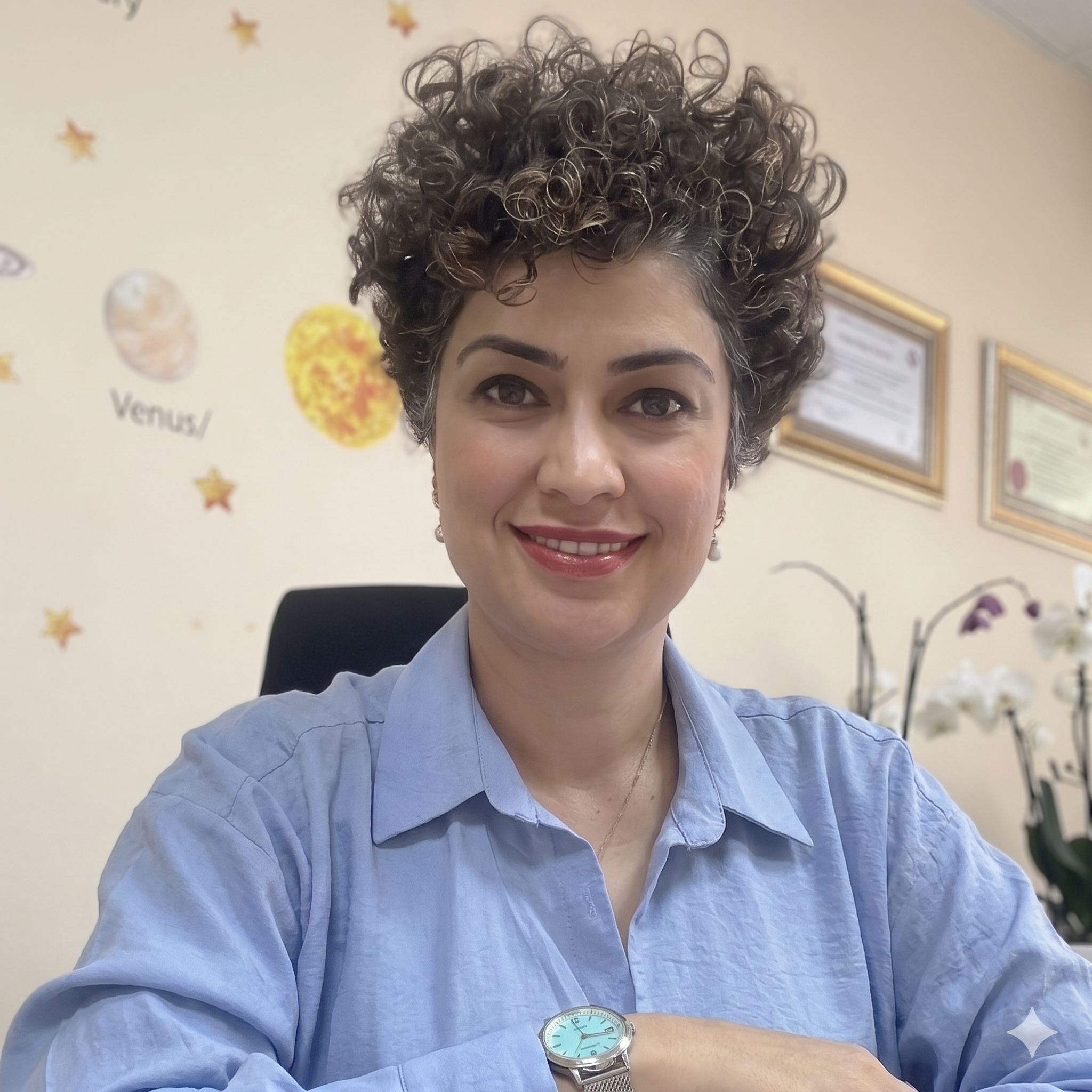
Doç. Dr. Mehtap Eroğlu
Associate Professor, Child and Adolescent Psychiatrist. Over 15 years of clinical experience. Ankara University Faculty of Medicine graduate.
View Full ProfileRelated Articles

What is Neurodevelopmental Assessment? Scientific Foundations of Child Development Monitoring

WISC-R Intelligence Test: Cognitive Assessment Guide for Children

Infant Psychiatrist Ankara: Early Mental Health and Development Guide

Learning Disabilities and Dyslexia in Children: Comprehensive Parent Guide
Developmental Delays and Intellectual Disabilities: The Importance of Early Diagnosis