


Is your child constantly arguing, actively defying rules, or experiencing uncontrollable anger outbursts? A scientific guide on oppositional defiant disorder (ODD), parent management training, CBT, and the risk of progression to conduct disorder by child psychiatrist Doç. Dr. Mehtap Eroğlu in Ankara.
Oppositional Defiant Disorder: A Comprehensive Guide for Your Constantly Arguing Child
Every child occasionally throws a tantrum, pushes back on rules, says "no," or has an angry outburst. As a parent, dealing with these can be exhausting; however, in most cases, these behaviors are a natural part of development. But what if these objections reach a level that paralyzes daily life? If your child is not merely failing to follow rules but consciously defying them, if every morning getting from home to school becomes a battlefield, if they are in constant conflict with both teachers and friends, then we are no longer talking about a normal "difficult phase" but rather a clinical condition.
As a child psychiatrist in Ankara, I know that many families come to me with precisely this exhaustion: "We have tried everything, but nothing works." As Doç. Dr. Mehtap Eroğlu, through the clinical work I conduct in Ankara, I have experienced time and again that Oppositional Defiant Disorder (ODD) profoundly affects the lives of both the child and the entire family system, yet significant improvement can be achieved with the right approach.
Key Points
- ODD is one of the most common externalizing behavioral disorders of childhood; it affects approximately 3-16% of school-age children and is 1.4-2 times more common in boys than in girls.
- ODD is not simply a "spoiled" or "disrespectful" child; it is a treatable psychiatric disorder shaped by the interplay of brain development, neurotransmitter imbalances, family dynamics, and environmental factors.
- According to DSM-5 criteria, ODD diagnosis requires three core symptom clusters — angry/irritable mood, argumentative/defiant behavior, and vindictiveness — to persist for at least 6 months.
- Untreated ODD carries the risk of progressing to the more severe Conduct Disorder (CD); this progression can result in academic failure, substance use, criminal behavior, and antisocial personality disorder in adulthood.
- Parent Management Training (PMT) is the cornerstone of treatment; the most effective results are achieved when it is combined with Cognitive Behavioral Therapy (CBT), family therapy, and school interventions.
What Is Oppositional Defiant Disorder?
DSM-5 Definition and Criteria
According to DSM-5, ODD is a behavioral disorder characterized by angry/irritable mood, argumentative/defiant behavior, and vindictiveness occurring at a frequency and severity beyond what is expected for the child's age and developmental level.
**A. Angry/Irritable Mood:**
1. Often loses temper
2. Is often touchy or easily annoyed
3. Is often angry and resentful
**B. Argumentative/Defiant Behavior:**
4. Often argues with authority figures, or for children and adolescents, with adults
5. Often actively defies or refuses to comply with requests from authority figures or with rules
6. Often deliberately annoys others
7. Often blames others for his or her mistakes or misbehavior
**C. Vindictiveness:**
8. Has been spiteful or vindictive at least twice within the past 6 months
In Ankara, Doç. Dr. Mehtap Eroğlu meticulously considers the child's age, developmental level, and the context in which symptoms emerge when evaluating these criteria. For children under 5, these symptoms must occur on most days for at least 6 months, while for children 5 and older, they must occur at least once a week for at least 6 months.
Severity Levels
ODD can follow three severity levels, and this directly affects treatment planning:
- **Mild:** Symptoms are limited to one setting (only at home or only at school). At this level, the child's overall functioning is relatively preserved; however, without intervention, there is a risk of spreading to other settings.
- **Moderate:** Symptoms are observed in at least two different settings (both at home and at school). Both family relationships and peer relationships are negatively affected. In Ankara, Doç. Dr. Mehtap Eroğlu recommends initiating both parent training and child-focused therapy simultaneously at this level.
- **Severe:** Symptoms manifest in three or more settings. The child's academic, social, and family functioning is seriously impaired. Intensive, multi-dimensional intervention is required at this level.
Symptoms and Behavioral Patterns: Detailed Examination
Angry/Irritable Mood Symptoms
One of the most prominent features of children with ODD is chronic and severe irritability. The most frequent complaint from families in my clinical practice in Ankara is:
- **Frequent and easily triggered temper outbursts:** Disproportionate reactions to minor frustrations or limitations. These outbursts far exceed what is expected for the child's age and may include screaming, throwing objects, slamming doors, and even physical aggression. Families in Ankara frequently present saying "they explode at the smallest thing" or "the glass overflows but we cannot tell when it fills."
- **Easy sensitivity and provokability:** Children with ODD are hypersensitive to stimuli in their environment. An innocent comment from a sibling, a routine instruction from a teacher, or a simple reminder from a parent can trigger irritability and an anger outburst.
- **Chronic anger and resentfulness:** These children generally appear with furrowed brows, tense facial expressions, and a "hostile" demeanor. Smiling, making jokes, or engaging in positive interaction is difficult for them. This chronic irritability drains the energy of both the family and the child.
Argumentative/Defiant Behavior Symptoms
This symptom cluster constitutes the "defiance" dimension of ODD and includes the behaviors that cause the most conflict in family and school settings:
- **Constant arguing with adults:** Children with ODD open every instruction, every rule, and every expectation for debate. Responses like "Why?", "I won't do it!", "You do it too!" turn daily routine into a negotiation table. As Doç. Dr. Mehtap Eroğlu in Ankara, I explain to families that this argument cycle empowers the child and why avoiding power struggles is critical.
- **Active resistance to rules and requests:** This is not passive noncompliance but active, conscious refusal. The child deliberately does what is forbidden or deliberately does not do what is asked. This behavior differs from ADHD-type rule-breaking caused by impulsivity; intentionality and consciousness are the key distinguishing features.
- **Deliberately annoying others:** Children with ODD may consciously provoke siblings, peers, or adults. This behavior may serve the purpose of gaining attention, acquiring power, or testing others' reactions.
- **Blaming others:** They have extreme difficulty accepting their own mistakes and misbehavior; there is always "someone else" at fault. Statements like "They started it," "The teacher is being unfair to me," and "My sibling provoked me" are constantly repeated.
Vindictiveness
The third symptom cluster of ODD — vindictiveness — encompasses having been spiteful or vindictive at least twice within the past 6 months. These behaviors may include:
- Remembering a past "injustice" for an extended period and attempting "revenge" days or weeks later
- Planned retaliation against the person who imposed punishment
- Threatening statements like "You'll see" or "I'm waiting for you"
In Ankara, Doç. Dr. Mehtap Eroğlu emphasizes that the presence of this symptom cluster increases the risk of progression to conduct disorder and that early intervention is particularly critical at this point.
Conditions Confused with ODD: Comprehensive Differential Diagnosis
Normal Developmental Resistance
Every child naturally shows resistance during certain developmental periods. I remind families in Ankara that the following periods are normal:
- **Ages 2-3 "no phase":** The natural reflection of the struggle for autonomy. The child experiences the individuation process by saying "I will do it" and "no."
- **Ages 12-14 early adolescence:** Identity seeking, autonomy demands, and questioning authority are natural components of this period.
The key factors distinguishing ODD from these normal periods are:
- The resistance far exceeding age-appropriate limits
- Being seen in multiple settings
- Seriously disrupting functioning
- Lasting longer than 6 months
- Significantly reducing the quality of life for the child and/or family
Differentiation from ADHD
Children with ADHD may struggle to follow rules due to impulsivity; however, this is not deliberate resistance. The child with ADHD knows the rule, wants to comply, but cannot control their impulses. The child with ODD knows the rule and consciously defies it. This distinction determines the treatment approach.
However, it must be emphasized that ODD and ADHD co-occur in approximately 40-70% of cases. In Ankara, Doç. Dr. Mehtap Eroğlu systematically evaluates this comorbidity and plans separate treatment strategies for each condition.
Differentiation from Anxiety Disorders
Anxious children may refuse situations they find threatening; this refusal can superficially resemble defiance. For example, a child who does not want to go to school may be suffering from an anxiety disorder, ODD, or both — or their anxiety may be being misinterpreted as "no" behavior. Accurate differential diagnosis in Ankara fundamentally shapes the treatment plan.
Differentiation from Mood Disorders
In bipolar disorder, irritability and argumentativeness can become prominent during manic episodes. In depression, irritability rather than sadness is the dominant symptom in children. In Ankara, Doç. Dr. Mehtap Eroğlu evaluates the episodic nature of mood disorders versus the persistent nature of ODD as the key distinguishing feature.
Post-Traumatic Stress Disorder
In children exposed to trauma, irritability, anger outbursts, and resistance to authority can mimic the ODD picture. Trauma history must always be explored in comprehensive evaluation in Ankara.
Causes and Risk Factors: The Biopsychosocial Model
There is no single cause for the emergence of ODD; a complex interaction of biological, psychological, and social factors is at play.
Biological Factors
- **Genetic predisposition:** The risk of ODD is 2-3 times higher in children with family histories of conduct disorder, ADHD, mood disorders, or substance use disorders. Twin studies show that the heritability rate of ODD can reach 50%.
- **Neurobiological differences:** Differences detected in connections between the prefrontal cortex and the limbic system (especially the amygdala) lead to difficulty in emotion regulation and impulse control. Neuroimaging studies have demonstrated weakened "braking" function of the prefrontal cortex and hyperactive amygdala in children with ODD.
- **Neurotransmitter imbalances:** Low activity in the serotonin system may increase aggression tendencies. Irregularities in the dopamine system can alter reward sensitivity and motivational structure. In Ankara, Doç. Dr. Mehtap Eroğlu conveys this biological basis to families, delivering the message that "your child is not behaving badly on purpose; there are differences in how their brain works."
- **Temperament:** Infants with innate "difficult" temperament characteristics — those with high activity levels, low adaptability, and intense emotional reactions — are at risk of developing ODD in later years.
Psychological Factors
- **Impulse control difficulty:** The "stop, think, then act" skill is insufficient.
- **Social information processing biases:** Children with ODD frequently interpret others' intentions as hostile (hostile attribution bias). A friend accidentally bumping into them is perceived as "they did it on purpose."
- **Emotion regulation difficulty:** Capacity to manage anger, frustration, and distress is limited.
- **Low empathy:** The ability to understand others' feelings and respond appropriately is weak.
- **Inadequate problem-solving skills:** Capacity to generate constructive solutions in conflict situations is limited; aggression or resistance is perceived as the "only solution."
Social/Environmental Factors
- **Inconsistent parenting:** Enforcing rules one day and ignoring them the next prevents the child from learning which behavior is acceptable and reinforces limit-testing behavior.
- **Excessively rigid or authoritarian parenting:** Harsh punishments, physical discipline, and an oppressive attitude fuel feelings of rebellion and resistance in the child.
- **Excessively permissive parenting:** An approach that avoids setting limits and fulfills the child's every wish lowers the child's frustration tolerance and causes excessive reactions when they hear "no."
- **Family conflict and violence exposure:** Inter-parental conflict, divorce processes, or domestic violence feeds feelings of insecurity and anger in the child.
- **Parental psychiatric disorder:** Maternal depression, paternal substance use, or antisocial personality traits significantly increase ODD risk.
- **Peer bullying:** Children exposed to bullying in the school environment may develop aggressive and oppositional behaviors as a defense mechanism.
- **Socioeconomic deprivation:** Chronic poverty, crowded living conditions, and insufficient social support increase family stress and thereby elevate ODD risk.
In Ankara, Doç. Dr. Mehtap Eroğlu systematically investigates all of these biopsychosocial factors in ODD evaluation and bases the treatment plan on this comprehensive understanding.
The Course of ODD: What Happens If Left Untreated?
When ODD is left untreated or mismanaged, it can lead to serious and progressive consequences. In Ankara, Doç. Dr. Mehtap Eroğlu clearly communicates this progression risk to families and emphasizes the importance of early intervention:
| Period | Possible Progression | Detail |
|---|---|---|
| Preschool (3-5 years) | ODD symptoms become prominent | Family conflict increases, parents burn out, sibling relationships deteriorate |
| Elementary school (6-10 years) | Academic performance declines | Friendships deteriorate, social rejection begins, school discipline problems increase |
| Middle school (11-13 years) | Risk of Conduct Disorder (CD) development increases | Physical fights, stealing, lying, and rule-breaking behaviors may emerge |
| High school (14-17 years) | Risk of substance use and school dropout | Substance experimentation under peer pressure, criminal tendencies, school disengagement |
| Adulthood | Risk of antisocial personality disorder | Workplace adaptation difficulties, relationship problems, legal issues |
Research shows that approximately 30% of children diagnosed with ODD progress to Conduct Disorder. The strongest predictors of this progression are early age of onset, presence of vindictiveness symptoms, and duration without treatment. In Ankara, Doç. Dr. Mehtap Eroğlu emphasizes that the most effective way to break this negative course is early and comprehensive intervention.
Treatment Approaches: Evidence-Based Interventions
Parent Management Training (PMT)
The gold standard of ODD treatment is Parent Management Training. This approach focuses on changing how parents interact with the child before trying to change the child. Research shows that PMT can reduce ODD symptoms by 50-70%. Doç. Dr. Mehtap Eroğlu offers PMT in individual or group format in her clinical practice in Ankara.
**Core components of PMT:**
- **Positive reinforcement techniques:** Noticing and rewarding desired behaviors. Parents working with children with ODD typically focus on the child's bad behaviors and overlook good ones. PMT reverses this balance: notice at least 5 positive behaviors your child displays each day and appreciate them by naming them specifically.
- **Consistent and calm limit-setting:** Establishing clear, brief, calm, and predictable rules. It is essential that rules are expressed in a way the child can understand, applied consistently every time, and consequences are known in advance.
- **Effective instruction-giving:** Instructions should be positive, brief, and clear. Instead of "Don't be naughty," say "Please sit at the table." In Ankara, Doç. Dr. Mehtap Eroğlu teaches families effective instruction-giving practices through role-play methods.
- **Time-out technique:** A brief calming opportunity in a designated place for the child to regulate intense emotions. Time-out is not punishment but an emotion regulation tool. Duration should be proportionate to the child's age (1 minute per year of age).
- **Natural and logical consequences:** Rather than punishment, experiencing natural consequences connected to the behavior. A child who breaks a toy must wait to get a new one. A child who doesn't do homework explains the situation to the teacher the next day.
- **Token economy systems:** Behavior tracking charts, star graphs, and point systems. Points are earned for each desired behavior; accumulated points are converted to concrete rewards (extra play time, chosen activity).
Child-Focused Individual Therapy
**Cognitive Behavioral Therapy (CBT):**
CBT is an evidence-based psychotherapy approach used to develop anger management and social problem-solving skills in children with ODD. In Doç. Dr. Mehtap Eroğlu's clinical practice in Ankara, CBT is applied through the following steps:
1. **Recognizing anger triggers:** The child learns to notice situations, thoughts, and physical sensations that trigger their anger.
2. **Anger thermometer:** Rating anger intensity from 1-10. The question "Where am I right now?" increases the child's emotional awareness.
3. **Stop-Think-Act model:** The skill of stopping, thinking, and generating options instead of reacting automatically. "Stop!" (red light), "Think!" (yellow light — what are the options?), "Act!" (green light — apply the best option).
4. **Relaxation techniques:** Deep breathing, muscle relaxation, imagining a mental "safe place." I use gamification and visualization methods when teaching these techniques to children in Ankara.
5. **Social problem-solving skills:** Generating multiple solutions in conflict situations, evaluating the possible consequences of each option, and choosing the most constructive one.
6. **Empathy development:** Exercises in seeing situations from others' perspectives. "How did your friend feel?", "What might your mother have been thinking in this situation?"
7. **Cognitive restructuring:** Recognizing and correcting hostile attribution bias. Generating the alternative "Maybe it happened by accident" instead of the thought "They did it on purpose."
**Play Therapy (For Young Children):**
For children under 6, developing skills to express and regulate emotions through symbolic play. Since play is the child's natural language, it increases engagement in the therapy process and enables emotional experiences to be processed in a safe environment.
Family Therapy
Family therapy addresses the family system as a whole and targets the following goals:
- **Changing family communication patterns:** Breaking cycles of criticism, blame, and defensive communication; building skills in active listening, "I-message" use, and constructive feedback.
- **Increasing inter-parental consistency:** Ensuring mother and father are on the same page regarding rules, limits, and consequences. Inconsistency leads to the child calculating which parent they can get a "yes" from and applying divide-and-conquer strategies.
- **Improving sibling relationships:** Reducing conflicts between the ODD child and siblings; addressing siblings' emotional needs.
- **Discovering family strengths:** Recognizing the family's existing strengths and utilizing them in the treatment process.
In Ankara, Doç. Dr. Mehtap Eroğlu offers family therapy as an integrative component of ODD treatment.
School Interventions
ODD symptoms frequently manifest in the school environment as well and negatively affect academic success. In Ankara, Doç. Dr. Mehtap Eroğlu works in coordination with school guidance services when necessary:
- **Individualized Behavioral Support Plan**
- **Clarification of classroom rules**
- **Teacher-parent communication**
- **Social skills groups**
Pharmacological Treatment
There is no approved specific medication for ODD. However, medications targeting co-occurring conditions may indirectly reduce ODD symptoms:
- **ADHD comorbidity:** ADHD medications such as methylphenidate or atomoxetine may indirectly reduce oppositional behaviors by decreasing impulsivity.
- **Severe irritability and aggression:** Low-dose atypical antipsychotics (risperidone) may be considered short-term; however, they must be used carefully due to side effect profiles.
- **Anxiety comorbidity:** SSRI medications may alleviate oppositional behaviors indirectly by reducing anxiety.
In Ankara, Doç. Dr. Mehtap Eroğlu always makes medication decisions following comprehensive evaluation, in combination with psychosocial interventions, and with the family's informed consent.
Comprehensive Daily Strategies for Parents
Daily strategies recommended by Doç. Dr. Mehtap Eroğlu to families in Ankara form the foundation of ODD management:
What to Do
- **Stay calm — this is the hardest but most important rule:** Responding to anger with anger escalates conflict and sends the child the message that "anger solves problems."
- **Create autonomy spaces by offering choices:** Small choices like "Now or in 5 minutes?" reduce resistance because the child feels control.
- **Catch and name the positive:** Notice at least 5 good behaviors your child displays each day and express them specifically.
- **Create predictable routines:** Children with ODD do not like uncertainty. The more predictable the daily schedule, the less resistance during transitions.
- **Set aside one-on-one special time:** Every day for 10-15 minutes, do an activity your child chooses together with them alone. During this time, don't give instructions, don't correct, don't ask questions — just be together.
- **Give yourself breaks too:** Living with a child with ODD is emotionally extremely exhausting. Self-care time is not a luxury — it is a necessity.
What to Avoid
- **Don't engage in power struggles:** The "You will do what I say, period!" attitude makes the child more rigid.
- **Don't argue by shouting:** As voice levels rise, children become more rigid, irritability increases, and the situation spirals out of control.
- **Don't make threats you won't follow through on:** This sends the message that "threats are empty" and reinforces continued rule-testing.
- **Don't compare to other children:** This approach creates shame, anger, and jealousy.
- **Don't label:** Labels like "disrespectful," "naughty," or "problem child" stick to the child's identity and reinforce negative behavior. Criticize the behavior, not the child.
- **Don't be inconsistent:** Rules that vary between parents or from day to day strengthen the child's limit-testing. In Ankara, Doç. Dr. Mehtap Eroğlu emphasizes that parents should create a shared rule set and remain consistent with it.
Comprehensive Evaluation Process with Doç. Dr. Mehtap Eroğlu
When you visit our clinic in Ankara with suspected ODD, the evaluation process conducted by Doç. Dr. Mehtap Eroğlu consists of the following stages:
Comprehensive History (Initial Consultation — 60-90 minutes)
The child's developmental history from the prenatal period onward, onset and course of symptoms, family structure, parenting styles, school adjustment, and social relationships are evaluated in detail. Separate interviews are conducted with parents and the child.
Structured Psychiatric Evaluation
- **Conners Parent and Teacher Rating Scale:** Comprehensive screening of ADHD and behavioral disorder symptoms.
- **CBCL (Child Behavior Checklist):** Assessment of internalizing and externalizing behaviors.
- **SDQ (Strengths and Difficulties Questionnaire):** Screening of strengths and difficulties.
- **K-SADS:** Systematic evaluation of DSM-5 diagnoses through structured diagnostic interview.
Comprehensive Differential Diagnosis
Systematic evaluation or exclusion of ADHD, anxiety disorders, mood disorders, post-traumatic stress disorder, and learning disabilities. In Ankara, Doç. Dr. Mehtap Eroğlu emphasizes that accurate diagnosis is the foundation of appropriate treatment.
Family Assessment
Parenting styles, family communication patterns, parents' own mental health statuses, and stress factors are evaluated. Depression, anxiety, or adverse childhood experiences in parents can shape the treatment plan.
Individualized Treatment Plan
Following all these assessments, Doç. Dr. Mehtap Eroğlu in Ankara creates a multi-dimensional, phased treatment plan tailored to the unique needs of each child and family. This plan encompasses parent training, child therapy, family therapy when indicated, school interventions, and pharmacological treatment when appropriate.
Conclusion
Oppositional Defiant Disorder does not mean a child is "bad" or "broken." It is a treatable psychiatric condition shaped by brain development, neurobiological differences, family dynamics, and environmental factors. With accurate diagnosis, evidence-based intervention, and consistent parental approach, ODD symptoms can be significantly reduced and the quality of life for both the child and the family can be fundamentally improved.
If you observe persistent stubbornness, intense anger outbursts, excessive resistance to rules, or vindictive behaviors in your child, I recommend not wasting time with the thought "they will grow out of it." Early and comprehensive evaluation with Doç. Dr. Mehtap Eroğlu in Ankara is the most meaningful step you can take in your child's developmental journey. You can contact our clinic for an appointment.
Frequently Asked Questions
Karşıt olma bozukluğu mu yoksa normal inatçılık mı olduğunu nasıl ayırt ederim?
Normal inatçılık belirli gelişim dönemlerinde (2-3 yaş ve ergenlik başlangıcı) görülür, genellikle bir ortamla sınırlıdır ve zamanla yatışır. ODD ise en az 6 ay boyunca süren, birden fazla ortamda (ev, okul, sosyal) belirgin olan ve çocuğun okul başarısını, arkadaşlık ilişkilerini ve aile uyumunu ciddi biçimde bozan bir tablodur. Davranışların yaşa göre orantısız olması ve ailenin tükenme noktasına gelmesi klinik bir değerlendirme gerektirir. Ankara'da Doç. Dr. Mehtap Eroğlu ile yapılacak kapsamlı bir değerlendirme bu ayrımı netleştirecek ve doğru yol haritasını oluşturacaktır.
ODD tedavi edilmezse ne olur?
Tedavi edilmeden bırakılan ODD, zamanla daha ağır bir tablo olan Davranım Bozukluğu'na (Conduct Disorder) ilerleme riski taşır. Araştırmalar, ODD tanılı çocukların yaklaşık %30'unun bu yola girdiğini göstermektedir. Davranım bozukluğu; fiziksel kavgalar, hırsızlık, yasadışı davranışlar ve madde kullanımını içerebilir. Yetişkinlikte ise antisosyal kişilik bozukluğu riski artar. Erken müdahale bu olumsuz seyri önlemede en etkili araçtır. Ankara'da Doç. Dr. Mehtap Eroğlu, erken tanı ve kapsamlı tedavi planıyla bu riski en aza indirmeyi hedeflemektedir.
ODD için ilaç tedavisi şart mıdır?
ODD için onaylı spesifik bir ilaç yoktur ve tedavinin ana eksenini ebeveyn yönetim eğitimi ve psikoterapi oluşturur. Ancak DEHB, anksiyete bozukluğu veya duygudurum bozukluğu gibi eşlik eden durumlar mevcutsa bu durumların tedavisine yönelik ilaçlar dolaylı olarak ODD belirtilerini de azaltabilir. Ağır agresyon durumlarında kısa süreli farmakolojik destek değerlendirilebilir. Ankara'da Doç. Dr. Mehtap Eroğlu, ilaç kararını her vakada bireysel olarak ve kapsamlı değerlendirme sonrasında almaktadır.
ODD'li çocuklarla nasıl iletişim kurmalıyım?
Sakin ve kısa talimatlar vermek, güç savaşlarından kaçınmak, seçenekler sunarak küçük özerklik alanları yaratmak ve olumlu davranışları aktif olarak pekiştirmek etkili iletişimin temelidir. Bağırmak, tehdit etmek ve tartışmaya girmek durumu kötüleştirir. 'Ben dili' kullanmak, duygularını adlandırmasına yardım etmek ve sakin anlarda yapıcı sohbetler yapmak ilişkiyi güçlendirir. Ankara'da Doç. Dr. Mehtap Eroğlu'nun yürüttüğü ebeveyn eğitim programlarında bu beceriler role-play yöntemiyle pratik olarak öğretilmektedir.
ODD ve DEHB aynı çocukta bir arada görülebilir mi?
Evet, araştırmalar ODD ve DEHB'nin birlikte görülme oranının %40-70 arasında olduğunu göstermektedir. Bu iki durumun birlikteliği tedaviyi karmaşıklaştırır çünkü dürtüsel kuralsızlık ile kasıtlı karşı gelme farklı müdahale stratejileri gerektirir. DEHB tedavisi (metilfenidat gibi) dürtüselliği azaltarak dolaylı olarak karşıt gelme davranışlarını da hafifletebilir. Ankara'da Doç. Dr. Mehtap Eroğlu, her iki tanıyı ayrı ayrı değerlendirerek bütünleşik bir tedavi planı oluşturmaktadır.
ODD tedavisi ne kadar sürer?
Tedavi süresi ODD'nin şiddetine, eşlik eden koşullara ve ailenin tedaviye katılımına bağlı olarak değişir. Hafif vakalarda 3-6 aylık ebeveyn eğitimi ve kısa süreli terapi yeterli olabilir. Orta ve ağır vakalarda 1-2 yıl veya daha uzun süreli izlem gerekebilir. En önemli belirleyici ailenin tedaviye tutarlı katılımıdır. Ankara'da Doç. Dr. Mehtap Eroğlu, tedavi sürecini düzenli değerlendirmelerle bireyselleştirmekte ve ilerlemeyi sistematik biçimde takip etmektedir.
Okul ODD'li çocuğa nasıl destek verebilir?
Net ve tutarlı sınıf kuralları, bireyselleştirilmiş davranış destek planı, olumlu pekiştirme temelli disiplin anlayışı ve sosyal beceri grupları okul müdahalelerinin temelini oluşturur. Öğretmenin sakin, tutarlı ve destekleyici bir tutum sergilemesi kritik önem taşır. Ankara'da Doç. Dr. Mehtap Eroğlu, gerektiğinde okul rehberlik servisiyle koordineli çalışmakta ve öğretmenlere pratik öneriler içeren rehber hazırlamaktadır.
Ankara'da ODD değerlendirmesi için nereye başvurabilirim?
Ankara'da çocuk ve ergen psikiyatrisi uzmanı Doç. Dr. Mehtap Eroğlu, ODD tanı ve tedavisinde kapsamlı değerlendirme, bireyselleştirilmiş tedavi planı ve uzun süreli izlem hizmeti sunmaktadır. Yapılandırılmış ölçekler, ayrıntılı klinik görüşme, aile değerlendirmesi ve ayırıcı tanıyı içeren bu süreç için kliniğimizle iletişime geçerek randevu alabilirsiniz.
References
- Loeber, R., Burke, J. D., Lahey, B. B., Winters, A., & Zera, M. (2000). Oppositional defiant and conduct disorder: a review of the past 10 years, Part I. Journal of the American Academy of Child and Adolescent Psychiatry, 39(12), 1468-1484. doi:10.1097/00004583-200012000-00007
- Kaminski, J. W., Valle, L. A., Filene, J. H., & Boyle, C. L. (2008). A meta-analytic review of components associated with parent training program effectiveness. Journal of Abnormal Child Psychology, 36(4), 567-589. doi:10.1007/s10802-007-9201-9
- Nock, M. K., Kazdin, A. E., Hiripi, E., & Kessler, R. C. (2006). Prevalence, subtypes, and correlates of DSM-IV conduct disorder in the National Comorbidity Survey Replication. Psychological Medicine, 36(5), 699-710. doi:10.1017/S0033291706007082
- Connor, D. F., Steeber, J., & McBurnett, K. (2010). A review of attention-deficit/hyperactivity disorder complicated by symptoms of oppositional defiant disorder or conduct disorder. Journal of Developmental and Behavioral Pediatrics, 31(5), 427-440. doi:10.1097/DBP.0b013e3181e121bd
- Fontaine, N. M., McCrory, E. J., Boivin, M., Moffitt, T. E., & Viding, E. (2011). Predictors and outcomes of joint trajectories of callous-unemotional traits and conduct problems in childhood. Journal of Abnormal Psychology, 120(3), 730-742. doi:10.1037/a0022620
- Farmer, E. M. Z., Compton, S. N., Burns, B. J., & Robertson, E. (2002). Review of the evidence base for treatment of childhood psychopathology: externalizing disorders. Journal of Consulting and Clinical Psychology, 70(6), 1267-1302. doi:10.1037/0022-006X.70.6.1267
- Burke, J. D., Loeber, R., & Birmaher, B. (2002). Oppositional defiant disorder and conduct disorder: a review of the past 10 years, Part II. Journal of the American Academy of Child and Adolescent Psychiatry, 41(11), 1275-1293. doi:10.1097/00004583-200211000-00009
- Kazdin, A. E. (2005). Parent management training: treatment for oppositional, aggressive, and antisocial behavior in children and adolescents. Oxford University Press, N/A, N/A. doi:10.1093/med:psych/9780195154290.001.0001
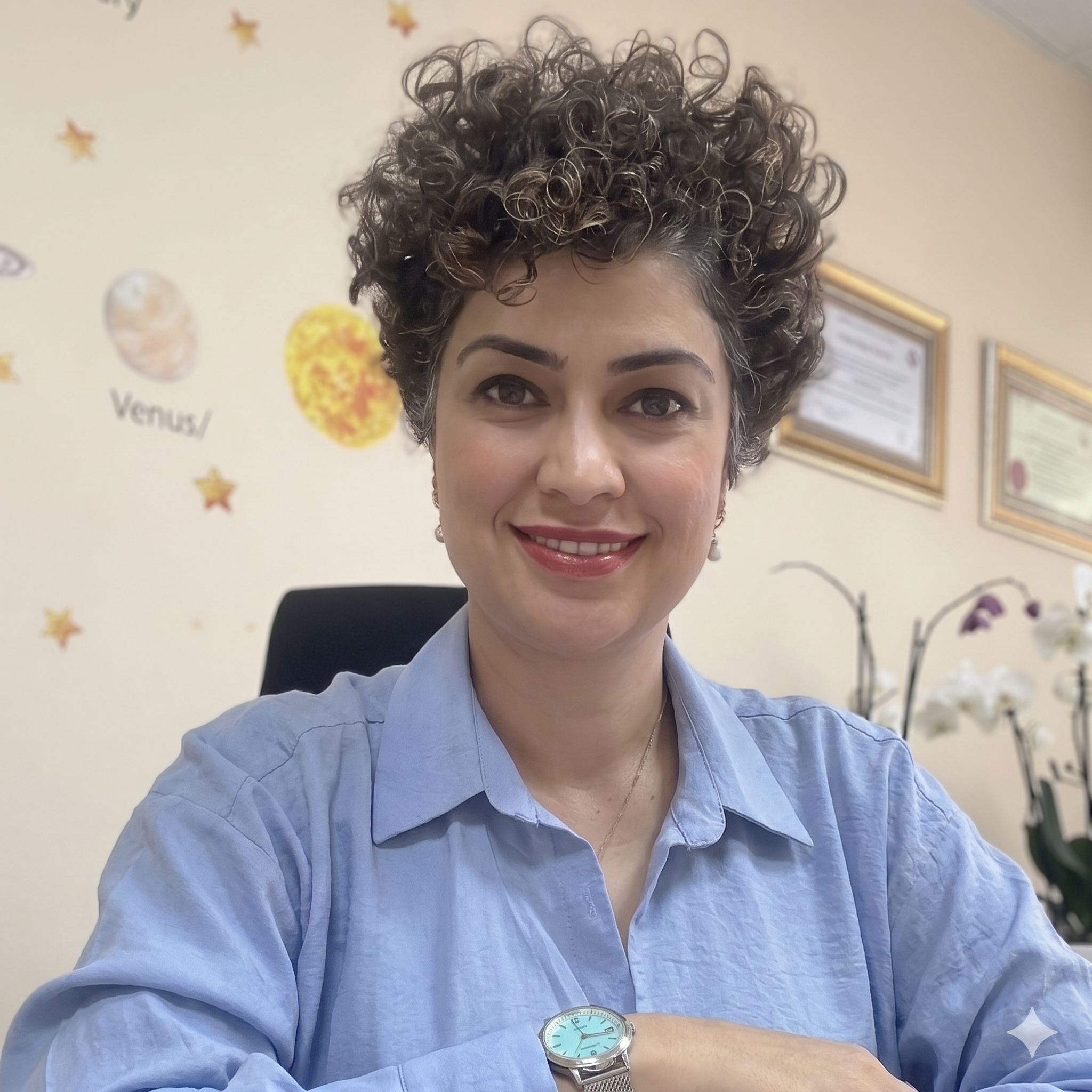
Doç. Dr. Mehtap Eroğlu
Associate Professor, Child and Adolescent Psychiatrist. Over 15 years of clinical experience. Ankara University Faculty of Medicine graduate.
View Full ProfileRelated Articles

Adolescent Depression: Comprehensive Parent Guide

Behavioral Disorders and Anger Management in Children: Comprehensive Parent Guide

Mood Disorders and Bipolar Disorder in Children: A Comprehensive Parent Guide

What Does an Adolescent Psychiatrist Do? Mental Health in Adolescence

Adolescent Peer Relationship Counseling: A Comprehensive Guide for Parents