


Are you observing extreme mood swings, unexplained anger outbursts, or prolonged sadness in your child? A scientific guide on childhood bipolar disorder, manic and depressive episodes, ADHD differential diagnosis, and current treatment approaches by child psychiatrist Doç. Dr. Mehtap Eroğlu in Ankara.
Mood Disorders and Bipolar Disorder in Children: A Comprehensive Parent Guide
When your child's mood soars to the peak of joy one day and plunges into deep darkness the next, when they move with unstoppable energy in the morning only to break into crying spells by evening, this picture may both worry you and leave you feeling helpless. As a child psychiatrist in Ankara, I know that many families knock on my door with precisely this uncertainty and exhaustion. Parents most often come with the question "Is this normal, or is there a problem?" and the answer is not always straightforward.
In this guide, I want to address childhood mood disorders and specifically bipolar disorder in all their dimensions. As Doç. Dr. Mehtap Eroğlu, through the clinical work I conduct in Ankara, I have experienced time and again that bipolar disorder presents in children with a very different face than in adults, that its diagnosis is challenging, and that it is a manageable condition with proper intervention. My goal is to equip you with knowledge and to reassure you that you are not alone in this journey.
Key Points
- Childhood-onset bipolar disorder accounts for approximately 20% of all bipolar disorder cases; this rate is much higher than commonly assumed and underscores the importance of early diagnosis.
- Mania in children, unlike the "elated, joyful" presentation in adults, manifests as intense irritability, severe anger outbursts, dramatically reduced sleep need, and rapidly cycling mood shifts; it is therefore frequently confused with ADHD, oppositional defiant disorder, or anxiety disorders.
- Within the DSM-5 framework, bipolar disorder diagnosis requires detailed clinical interviews, structured scales, family history, and prolonged observation — a meticulous process. In Ankara, Doç. Dr. Mehtap Eroğlu conducts this process systematically and comprehensively.
- In treatment, mood stabilizers (lithium, valproate, lamotrigine) and atypical antipsychotics form the foundation of pharmacological intervention, while cognitive behavioral therapy, family-focused therapy, and psychoeducation are indispensable psychosocial components.
- Parents' keeping mood diaries, recognizing triggers, and establishing consistent routines multiply treatment effectiveness; regular follow-up with Doç. Dr. Mehtap Eroğlu in Ankara ensures this process is safeguarded.
What Are Mood Disorders? A Comprehensive Overview
Mood disorders encompass a group of psychiatric conditions that profoundly affect a person's emotional state, motivation, energy level, and quality of life. These conditions can also occur in childhood and often present a clinical picture quite different from that seen in adults. In my clinical practice in Ankara, I observe that the vast majority of children diagnosed with mood disorders initially present with complaints of "behavioral problems" or "school failure."
Types of Mood Disorders
Mood disorders exist along a broad spectrum. As Doç. Dr. Mehtap Eroğlu in Ankara, I emphasize that distinguishing each diagnosis from the others requires a lengthy and meticulous evaluation process:
- **Major Depressive Disorder (MDD):** Characterized by at least two weeks of intense sadness, loss of interest, low energy, sleep and appetite changes, feelings of worthlessness, and thoughts of death. In children, irritability rather than sadness may predominate, making diagnosis more challenging.
- **Bipolar I Disorder:** Requires at least one full manic episode. During mania, markedly reduced sleep need, grandiose thoughts, pressured speech, and risky behaviors are observed. Depressive episodes also accompany most cases. In Ankara, Doç. Dr. Mehtap Eroğlu offers an experienced approach to identifying the atypical presentations of manic episodes in children.
- **Bipolar II Disorder:** Features hypomania — a milder elevation than full mania — alongside significant depressive episodes. Hypomania is especially difficult to recognize in children because it may be interpreted simply as "having a good day."
- **Cyclothymic Disorder:** A pattern lasting at least 1 year (2 years in adults) of cyclical hypomanic and depressive symptoms that do not meet full episode criteria.
- **Disruptive Mood Dysregulation Disorder (DMDD):** Defined specifically for children in DSM-5, this disorder is characterized by chronic, severe irritability and severe temper outbursts occurring at least 3 times per week. This diagnosis was developed to provide a more accurate framework for many children who were being misdiagnosed with bipolar disorder. In Ankara, Doç. Dr. Mehtap Eroğlu differentiates DMDD from bipolar disorder through systematic evaluation.
Mood Disorders and the Brain
Modern neuroscience research has clearly demonstrated that mood disorders are not "character weakness" or "lack of discipline" but rather neurobiological illnesses affecting brain structure and function:
- **Prefrontal cortex:** In this region — the center for emotion regulation, planning, and decision-making — volume loss and functional differences have been identified in children with bipolar disorder. This explains the child's difficulty controlling impulses and regulating emotions.
- **Amygdala:** Hyperreactivity is observed in the amygdala, the center of emotional responses. Children with bipolar disorder may exhibit exaggerated emotional reactions even to neutral stimuli.
- **Neurotransmitter systems:** Imbalances in dopamine, serotonin, and norepinephrine systems play critical roles in the pathophysiology of both manic and depressive episodes. This information is important for parents to understand why medication is necessary.
- **Circadian rhythm disruption:** Irregularity in the sleep-wake cycle is both a trigger and a symptom in bipolar disorder. In Ankara, Doç. Dr. Mehtap Eroğlu always prioritizes maintaining sleep regularity in treatment planning.
Bipolar Disorder in Children: Symptoms and Clinical Presentation
Manic/Hypomanic Episode Symptoms
When adults think of mania, an elated, joyful, and boundlessly energetic picture comes to mind. Yet childhood mania presents a very different appearance. The presentations I most frequently encounter in my clinical practice in Ankara include:
- **Extreme irritability and severe anger outbursts:** Excessive reactions relative to age in response to minor frustrations or triggers. These outbursts typically last more than 30 minutes and the child is extremely difficult to calm. Families in Ankara frequently present with the complaint "my child explodes but I cannot understand why."
- **Grandiosity (exaggerated sense of greatness):** Statements such as "I am not the smartest in my class — I am the smartest in the world" or "The teacher is wrong; I know the truth" that are inconsistent with age and reality. As Doç. Dr. Mehtap Eroğlu in Ankara, I emphasize that distinguishing this symptom from normal self-confidence requires clinical experience.
- **Dramatically reduced sleep need:** Despite sleeping only 3-4 hours, the child does not feel tired the next day and appears energetic. This is markedly different from a typical "child who goes to bed late."
- **Increased speed and volume of speech (pressured speech):** An unstoppable, topic-shifting, rapid flow of speech. Sometimes thoughts race so quickly that the child cannot complete sentences.
- **Flight of ideas:** Rapid transitions from one topic to another, loosening of associations, scattered and difficult-to-follow thought patterns.
- **Increased goal-directed activity:** Starting multiple projects simultaneously, seemingly endless energy, excessive attempts to organize.
- **Risky and age-inappropriate behaviors:** Jumping from heights, going into the street without caution, excessive spending relative to age.
- **Sexually charged talk or behavior (age-inappropriate):** Can be identified as a notable early finding; however, other causes (such as trauma exposure) must also be ruled out.
Depressive Episode Symptoms
The depressive phase of bipolar disorder presents in children with the following symptoms:
- **Persistent sadness and crying spells:** The child appears constantly unhappy, cries easily, or says "nothing makes me feel better." In younger children, irritability rather than sadness may predominate.
- **Loss of interest and pleasure (anhedonia):** Loss of interest in previously enjoyed activities, games, and friends. The statement "nothing is fun" is frequently heard.
- **Fatigue and low energy:** Excessive and unexplained tiredness, inability to get out of bed in the morning, difficulty carrying out daily activities.
- **Sleep disturbances:** Excessive sleeping (hypersomnia) or inability to sleep (insomnia). Frequent nighttime awakenings and nightmares may also occur.
- **Appetite changes:** Marked increase or decrease in appetite, weight fluctuations.
- **Concentration difficulties and academic decline:** Sudden and unexplained drop in school performance, inability to complete homework, spacing out during class.
- **Feelings of worthlessness and guilt:** Statements such as "I am a bad child" or "Nobody loves me."
- **Thoughts of death or suicide:** Particularly in children over 10, the presence of this symptom requires urgent psychiatric evaluation. In Ankara, Doç. Dr. Mehtap Eroğlu systematically conducts suicide risk assessment during every depressive episode consultation.
Mixed Episodes and Rapid Cycling
One of the most confusing aspects of bipolar disorder in children is mixed episodes. During these periods, manic and depressive symptoms are experienced simultaneously: the child is both excessively energetic and deeply unhappy. Additionally, a pattern called "ultradian cycling" — in which mood shifts occur multiple times within a single day — is frequently seen in children. These rapid transitions make diagnosis even more challenging and are often mislabeled as anger control problems or conduct disorder.
In Ankara, Doç. Dr. Mehtap Eroğlu uses prolonged observation and structured assessment tools to identify mixed episodes and rapid-cycling presentations.
Diagnostic Challenges: Why Is Bipolar Disorder Hard to Recognize in Children?
Overlapping Symptoms with ADHD
The similarity between bipolar disorder and ADHD is one of the most common diagnostic dilemmas in child psychiatry. Both conditions feature inattention, hyperactivity, impulsivity, and concentration difficulties. However, the key distinction is:
| Feature | Bipolar Disorder | ADHD |
|---------|------------------|------|
| Course | Episodic (periodic) | Continuous |
| Sleep | Decreases in mania, increases in depression | Difficulty falling asleep (continuous) |
| Grandiosity | Prominent | Generally absent |
| Anger | Severe, prolonged outbursts | Brief, impulsive |
| Mood | Cyclical change | General irritability |
| Family history | Bipolar disorder | ADHD |
In Ankara, Doç. Dr. Mehtap Eroğlu uses detailed clinical interviews, structured scales, and observation over time to distinguish between these two conditions. Research indicates that approximately 60-90% of children with bipolar disorder also exhibit ADHD symptoms, which necessitates addressing each diagnosis separately.
Distinguishing Normal Developmental Fluctuations from Pathological Presentation
Children's moods are naturally variable; being cheerful one day and sad the next is entirely normal. Determining which fluctuations are typical and which are pathological requires an experienced clinician. I share the following key indicators with families in Ankara:
- Normal fluctuations are brief (hours to one day) and do not disrupt the child's overall functioning.
- Pathological episodes last days, weeks, or longer and seriously affect school, home, and friendship relationships.
- In normal fluctuations, sleep and appetite are largely preserved; in pathological presentation, significant disruption occurs.
Comorbid Conditions
Co-occurring psychiatric conditions in children with bipolar disorder are extremely common and complicate diagnosis. The comorbidities most frequently encountered by Doç. Dr. Mehtap Eroğlu in clinical practice in Ankara include:
- **ADHD (60-90%):** The most common co-occurring condition
- **Anxiety disorders (30-50%):** Social anxiety, separation anxiety, generalized anxiety
- **Oppositional defiant disorder (40-70%):** Stubbornness and resistance to authority
- **Substance use disorders (in adolescents):** Risk increases particularly in untreated cases
- **Specific learning disabilities (20-30%):** Contributes to academic failure
Risk Factors
Known risk factors for the development of bipolar disorder include:
| Risk Factor | Description |
|---|---|
| Genetic predisposition | Bipolar disorder in a first-degree relative increases risk 6-10 fold. Twin studies show heritability rates of up to 70%. |
| Family history | Mood disorder on both maternal and paternal sides multiplies risk exponentially. |
| Perinatal stress | Pregnancy complications, premature birth, low birth weight |
| Early childhood trauma | Physical, sexual, or emotional abuse increases risk through epigenetic changes. |
| Adverse life events | Parental loss, separation, domestic violence exposure |
| Substance use | Early-onset alcohol and substance use in adolescence may trigger episodes. |
| Sleep disorders | Chronic sleep deprivation can initiate manic episodes. |
In Ankara, Doç. Dr. Mehtap Eroğlu systematically screens risk factors during the comprehensive history-taking process and examines the family's genetic background in detail.
DSM-5 Diagnostic Criteria: Bipolar Disorder in Children
According to DSM-5, the diagnosis of Bipolar I Disorder requires the presence of at least one manic episode. The manic episode criteria, when adapted for children, are evaluated as follows:
**A. A distinct period of abnormally and persistently elevated, expansive, or irritable mood and abnormally and persistently increased goal-directed activity or energy** — this change must last at least 7 days (or any duration if hospitalization is required), present for most of the day, nearly every day.
**B. During the period of mood disturbance and increased energy or activity, at least three of the following must be prominently present:**
1. Inflated self-esteem or grandiosity
2. Decreased need for sleep
3. More talkative than usual or pressure to keep talking
4. Flight of ideas or subjective experience of racing thoughts
5. Distractibility
6. Increase in goal-directed activity or psychomotor agitation
7. Excessive involvement in activities with painful consequences
In Ankara, Doç. Dr. Mehtap Eroğlu evaluates these criteria appropriately for the child's developmental level, age, and cultural context. The expression of grandiosity in children differs particularly from adults and must be interpreted by an experienced clinician.
Treatment Approaches
The treatment approach applied in Doç. Dr. Mehtap Eroğlu's clinic in Ankara has a multi-dimensional structure in which pharmacological treatment and psychosocial interventions are delivered in an integrated manner.
Pharmacological Treatment
**Mood Stabilizers:**
- **Lithium:** Considered the gold standard in childhood bipolar disorder. Its efficacy in both treating acute manic episodes and providing long-term maintenance has been established. In Ankara, Doç. Dr. Mehtap Eroğlu implements regular blood level monitoring, renal function tests, and thyroid checks for every child starting lithium treatment. Lithium has a narrow therapeutic window; therefore, dose adjustment must be performed with extreme care.
- **Valproate (Valproic acid):** A mood stabilizer particularly effective in rapid-cycling presentations and mixed episodes. It is considered as an alternative for children who do not respond to lithium or cannot tolerate it. Liver function and blood levels must be monitored regularly.
- **Lamotrigine:** An agent whose protective effect against bipolar depression is prominent. Its effect on manic episodes is limited; however, it is valuable in reducing the frequency and severity of depressive episodes. Dose titration must be slow because rapid dose increases can lead to serious skin reactions (Stevens-Johnson syndrome).
**Atypical Antipsychotics:**
- **Aripiprazole:** FDA-approved for the treatment of acute manic and mixed episodes in Bipolar I Disorder in children aged 10 and older. Its advantage is fewer metabolic side effects compared to other atypical antipsychotics.
- **Risperidone:** Effective in acute mania treatment. Weight gain and metabolic parameters must be closely monitored.
- **Olanzapine:** Used in acute manic periods; however, it must be used cautiously in children due to significant weight gain and metabolic syndrome risk.
- **Quetiapine:** Can be considered for both manic and depressive episodes. It may be preferred in cases with accompanying sleep disturbance due to its sedative effect.
**Important Warning — Antidepressants:** Antidepressants should not be used alone in bipolar disorder. Antidepressants given without mood stabilizer protection carry the risk of triggering mania, accelerating rapid cycling, and creating mixed episodes. In Ankara, Doç. Dr. Mehtap Eroğlu always makes antidepressant decisions in combination with mood stabilizers and following a careful risk-benefit assessment.
Psychosocial Treatment
**Cognitive Behavioral Therapy (CBT):**
CBT is an effective psychotherapy approach for managing depressive episodes and increasing illness awareness in children with bipolar disorder. In the treatment process conducted by Doç. Dr. Mehtap Eroğlu in Ankara, CBT is applied with the following goals:
- Recognizing and modifying negative automatic thoughts
- Identifying early warning signs of mood shifts
- Developing problem-solving skills
- Teaching stress management and relaxation techniques
- Supporting medication adherence
- Strengthening social skills
CBT's effectiveness has been supported by research particularly in children aged 8-12 and adolescents.
**Family-Focused Therapy (FFT):**
Family-focused therapy is one of the strongest evidence-based psychosocial interventions in the treatment of children with bipolar disorder. With efficacy demonstrated by Miklowitz and colleagues' research, this approach is applied in Doç. Dr. Mehtap Eroğlu's clinical practice in Ankara with the following components:
- **Psychoeducation:** Ensuring the family understands the illness, recognizes symptoms, and actively participates in treatment.
- **Communication skills training:** Aims to reduce criticism, hostility, and emotional over-involvement in family communication. It is known that high expressed emotion environments increase episode risk.
- **Problem-solving skills:** Family members develop constructive problem-solving strategies together.
- **Trigger management:** Recognition and management of episode-triggering factors are planned collaboratively with the family.
**Dialectical Behavior Therapy (DBT):**
DBT is applied in bipolar disorder cases with emotional dysregulation, self-harm behaviors, and suicide risk, particularly during adolescence. This approach consists of four core modules:
- Mindfulness skills
- Distress tolerance skills
- Emotion regulation skills
- Interpersonal effectiveness skills
**Psychoeducation:**
Providing comprehensive information to both the child and family about the illness, medication, side effects, lifestyle adjustments, and early warning signs is a fundamental component of treatment. In Ankara, Doç. Dr. Mehtap Eroğlu delivers psychoeducation systematically at every stage of the treatment process.
Lifestyle Modifications and Protective Measures
- **Sleep hygiene:** Regular bedtime and wake-up times, dark and quiet sleep environment, screens off at least 1 hour before bedtime. Preserving circadian rhythm is critically important in bipolar disorder.
- **Screen time restriction:** Reducing blue light exposure particularly during evening hours.
- **Balanced nutrition:** Diet rich in omega-3 fatty acids, reduction of processed foods.
- **Regular physical activity:** At least 3-5 days per week, 30-60 minutes of moderate-intensity exercise.
- **Stress trigger management:** Proactive management of exam periods, social pressures, and family conflicts.
- **School collaboration:** Individualized educational support, exam accommodations, and guidance counselor coordination.
Comprehensive Guidance for Parents
The comprehensive guidance offered to parents in Doç. Dr. Mehtap Eroğlu's Ankara practice focuses on the following core areas:
Keeping a Mood Diary
The most effective way to monitor the mood of a child with bipolar disorder is keeping a diary. I recommend that families in Ankara record the following parameters:
- Daily mood score (on a 1-10 scale)
- Sleep duration and quality
- Appetite and dietary changes
- Anger outbursts (number, duration, trigger)
- Energy level
- Academic performance
- Social interactions
- Medication adherence and possible side effects
These records guide treatment decisions during follow-up sessions with Doç. Dr. Mehtap Eroğlu in Ankara.
Recognizing and Managing Triggers
Triggers that initiate bipolar episodes vary from child to child. The triggers I most frequently encounter in my clinical experience in Ankara include:
- Disruption in sleep pattern (the strongest trigger)
- Social stress and peer conflicts
- Exams and academic pressure
- Seasonal changes (especially spring)
- Family conflicts
- Routine changes (holidays, school start)
- Medication irregularity or abrupt discontinuation
Supporting Medication Adherence
Medication adherence is one of the most critical and challenging issues in bipolar disorder treatment. Adolescents in particular may tend to stop medication when they feel well. As Doç. Dr. Mehtap Eroğlu in Ankara, I recommend the following strategies to families:
- Explain why medication is necessary in a manner appropriate to the child's developmental level.
- Maintain open and honest communication about side effects; do not minimize them.
- Do not stop or change the dose on your own; always discuss any changes with the doctor.
- Routinize medication times (link to daily activities like meals or tooth brushing).
- Support the adolescent's participation in treatment decisions; this improves adherence.
What to Do During Crises
Crisis moments in a child with bipolar disorder (severe manic agitation, suicidal statements, self-harm) may require urgent intervention. In Ankara, Doç. Dr. Mehtap Eroğlu recommends that families create a crisis plan:
- Write emergency phone numbers in an easily accessible location.
- Ensure the child's safety; keep sharp objects and medications locked away.
- Communicate calmly, briefly, and clearly; do not engage in arguments.
- Physical restraint should be a last resort.
- Suicidal statements should always be taken seriously and professional help sought immediately.
Take Care of Yourself Too
Parenting a child with bipolar disorder is an emotionally exhausting and draining experience. In Ankara, Doç. Dr. Mehtap Eroğlu reminds parents:
- Seeking professional support for yourself is not weakness — it is strength.
- Joining support groups reduces feelings of isolation and provides practical knowledge.
- Keep communication with your partner strong; do not let the child's illness damage the couple relationship.
- You do not have to be a "perfect parent"; being a "good enough parent" is sufficient.
Comprehensive Evaluation Process with Doç. Dr. Mehtap Eroğlu
When you visit our clinic in Ankara with suspected mood disorder or bipolar disorder, a systematic evaluation process consisting of the following stages is conducted:
Initial Consultation (60-90 minutes)
As Doç. Dr. Mehtap Eroğlu in Ankara, I spend time separately and together with both parents and the child in our first consultation. The child's developmental history, onset and course of symptoms, family structure, school performance, and social environment observations are evaluated in detail. I gather detailed information from parents about the timing, duration, and severity of mood changes.
Structured Assessment Tools
In our evaluation process in Ankara, internationally validated tools are used:
- **Young Mania Rating Scale (YMRS):** Measures the severity of manic symptoms.
- **Children's Depression Inventory (CDI):** Assesses the level of depressive symptoms.
- **CBCL (Child Behavior Checklist):** Comprehensive screening of behavioral and emotional problems.
- **Conners Parent and Teacher Forms:** Comorbid ADHD evaluation.
- **K-SADS (Schedule for Affective Disorders and Schizophrenia for School-Age Children):** Structured diagnostic interview.
Family and Developmental History
Comprehensive developmental history from the prenatal period onward is obtained. Mood disorders, suicide history, substance use, and other psychiatric conditions on both sides of the family are investigated in detail. In Ankara, Doç. Dr. Mehtap Eroğlu emphasizes the importance of genetic burden in diagnosis.
Medical Investigations
When necessary, the following tests may be ordered:
- Thyroid function tests (hypothyroidism and hyperthyroidism can mimic mood symptoms)
- Complete blood count
- Liver and kidney function tests (before and during medication treatment)
- EEG (for epileptic seizure differential diagnosis)
- Drug blood levels (during lithium and valproate treatment)
Follow-Up Plan
Following the initial evaluation, regular check-up sessions with Doç. Dr. Mehtap Eroğlu in Ankara are scheduled. During the first months of treatment, frequent follow-up (weekly or biweekly) is critical for evaluating treatment response and side effects. After stabilization is achieved, monthly and then quarterly follow-up sessions are implemented. I remind all families in Ankara throughout this process that they are not alone and that Doç. Dr. Mehtap Eroğlu is by their side on this journey.
Conclusion
Mood disorders and bipolar disorder in children are among the conditions that can be managed with early diagnosis and integrated treatment. However, the longer the diagnosis is delayed, the more the child's academic success, social relationships, family harmony, and overall development continue to be negatively affected. Bipolar disorder is not a "passing phase"; it is a chronic yet manageable psychiatric condition requiring professional intervention.
If you observe extreme mood swings, unexplained anger outbursts, prolonged sadness, or dramatic changes in sleep patterns in your child, I recommend setting aside the thought of "let's wait and see if it passes." Early and comprehensive evaluation with Doç. Dr. Mehtap Eroğlu in Ankara is the most valuable step you can take for your child's future. You can contact our clinic for an appointment.
Frequently Asked Questions
Çocuğumda bipolar bozukluk olduğunu nasıl anlarım?
Çocuğunuzda günler veya haftalar süren aşırı sinirlilik, uyku ihtiyacının belirgin azalması, abartılı özgüven ifadeleri, durdurulamaz konuşma akışı ve ardından derin üzüntü veya ilgi kaybı dönemleri gözlemliyorsanız, bipolar bozukluk değerlendirmesi gerekebilir. Normal ruh hali dalgalanmalarından farklı olarak bu değişimler günlük işlevselliği ciddi biçimde bozar. Ankara'da Doç. Dr. Mehtap Eroğlu, kapsamlı bir değerlendirmeyle bu belirtilerin bipolar bozukluk mu yoksa başka bir duruma mı işaret ettiğini netleştirecektir.
Bipolar bozukluk ile DEHB aynı anda görülebilir mi?
Evet, bu iki durum sıklıkla bir arada görülür. Araştırmalar, bipolar bozukluklu çocukların %60-90'ında DEHB belirtilerinin de bulunduğunu göstermektedir. Her iki durumun ayrı ayrı tanınması ve tedavi planında ele alınması önemlidir. Ankara'da Doç. Dr. Mehtap Eroğlu, yapılandırılmış değerlendirme araçları ve uzun süreli gözlemle bu iki durumu birbirinden ayırt etmekte ve her ikisine yönelik bütünleşik bir tedavi planı oluşturmaktadır.
Çocuğum ömür boyu ilaç kullanmak zorunda kalacak mı?
Bipolar bozukluk kronik bir durumdur ve pek çok vakada uzun süreli ilaç tedavisi gerekebilir. Ancak bu, aynı ilacın aynı dozda ömür boyu kullanılacağı anlamına gelmez. Dozlar ve ilaç türleri zaman içinde çocuğun gelişimine ve tedavi yanıtına göre ayarlanır. Ankara'da Doç. Dr. Mehtap Eroğlu, ilaç tedavisini düzenli takip seanslarıyla bireysel olarak yönetmekte ve en düşük etkili dozda stabilizasyonu hedeflemektedir.
Lityum tedavisi çocuklar için güvenli midir?
Lityum, çocukluk çağı bipolar bozukluğunda onlarca yıldır kullanılan ve etkinliği kanıtlanmış bir ilaçtır. Düzenli kan düzeyi izlemi, böbrek ve tiroid fonksiyon kontrolü yapıldığında güvenli biçimde kullanılabilir. Ankara'da Doç. Dr. Mehtap Eroğlu, lityum tedavisi süresince düzenli laboratuvar takibi yapmakta ve aileleri olası yan etkiler konusunda bilgilendirmektedir.
Bipolar bozukluklu çocuğum okula devam edebilir mi?
Evet, uygun tedaviyle çoğu çocuk okul yaşamını başarıyla sürdürebilir. Ancak epizod dönemlerinde akademik performans düşebilir ve okul uyarlamaları gerekebilir. Ankara'da Doç. Dr. Mehtap Eroğlu, gerektiğinde okul rehberlik servisiyle koordineli çalışarak bireyselleştirilmiş eğitim destek planları oluşturulmasına yardımcı olmaktadır.
Antidepresanlar bipolar bozuklukta neden tehlikeli olabilir?
Bipolar bozuklukta duygudurum dengeleyici koruması olmaksızın verilen antidepresanlar, maniyi tetikleme, hızlı döngüyü hızlandırma ve karma epizod oluşturma riski taşır. Bu nedenle bipolar bozukluk tanısı doğru konulmadan depresyon tedavisi başlamak ciddi sonuçlara yol açabilir. Ankara'da Doç. Dr. Mehtap Eroğlu, ilaç kararlarını kapsamlı değerlendirme sonrasında vermekte ve antidepresan kullanımını her zaman duygudurum dengeleyici ile birlikte değerlendirmektedir.
Çocuğumun duygudurum günlüğünü nasıl tutmalıyım?
Günlük ruh hali puanı (1-10), uyku süresi, iştah değişiklikleri, öfke patlamaları, enerji düzeyi ve ilaç uyumu gibi parametreleri her gün kısa notlar halinde kaydetmeniz yeterlidir. Bu kayıtlar Ankara'da Doç. Dr. Mehtap Eroğlu ile yapılan izlem seanslarında tedavi kararlarına rehberlik eder ve epizod örüntülerini tanımlamaya yardımcı olur.
Ankara'da çocuğum için bipolar bozukluk değerlendirmesini nereden alabilirim?
Ankara'da Doç. Dr. Mehtap Eroğlu, çocuk ve ergen psikiyatrisi uzmanı olarak bipolar bozukluk tanı ve tedavisinde kapsamlı değerlendirme, bireyselleştirilmiş tedavi planı ve uzun süreli izlem hizmeti sunmaktadır. Yapılandırılmış ölçekler, ayrıntılı klinik görüşme ve aile değerlendirmesi içeren bu süreç için kliniğimizle iletişime geçerek randevu alabilirsiniz.
References
- Leibenluft, E., & Rich, B. A. (2008). Pediatric bipolar disorder. Annual Review of Clinical Psychology, 4, 163-187. doi:10.1146/annurev.clinpsy.4.022007.141216
- Geller, B., Tillman, R., Craney, J. L., & Bolhofner, K. (2004). Four-year prospective outcome and natural history of mania in children with a prepubertal and early adolescent bipolar disorder phenotype. Archives of General Psychiatry, 61(5), 459-467. doi:10.1001/archpsyc.61.5.459
- Miklowitz, D. J., Axelson, D. A., Birmaher, B., et al. (2008). Family-focused treatment for adolescents with bipolar disorder: results of a 2-year randomized trial. Archives of General Psychiatry, 65(9), 1053-1061. doi:10.1001/archpsyc.65.9.1053
- Van Meter, A. R., Moreira, A. L., & Youngstrom, E. A. (2011). Meta-analysis of epidemiologic studies of pediatric bipolar disorder. Journal of Clinical Psychiatry, 72(9), 1250-1256. doi:10.4088/JCP.10m06290
- Findling, R. L., Gracious, B. L., McNamara, N. K., et al. (2001). Rapid, continuous cycling and psychiatric co-morbidity in pediatric bipolar I disorder. Bipolar Disorders, 3(4), 202-210. doi:10.1034/j.1399-5618.2001.30405.x
- Pavuluri, M. N., Birmaher, B., & Naylor, M. W. (2005). Pediatric bipolar disorder: a review of the past 10 years. Journal of the American Academy of Child and Adolescent Psychiatry, 44(9), 846-871. doi:10.1097/01.chi.0000170554.24365.2d
- Merikangas, K. R., He, J. P., Brody, D., et al. (2010). Prevalence and treatment of mental disorders among US children in the 2001-2004 NHANES. Pediatrics, 125(1), 75-81. doi:10.1542/peds.2008-2598
- DelBello, M. P., Kowatch, R. A., Adler, C. M., et al. (2006). A double-blind randomized pilot study comparing quetiapine and divalproex for adolescent mania. Journal of the American Academy of Child and Adolescent Psychiatry, 45(3), 305-313. doi:10.1097/01.chi.0000188140.85817.46
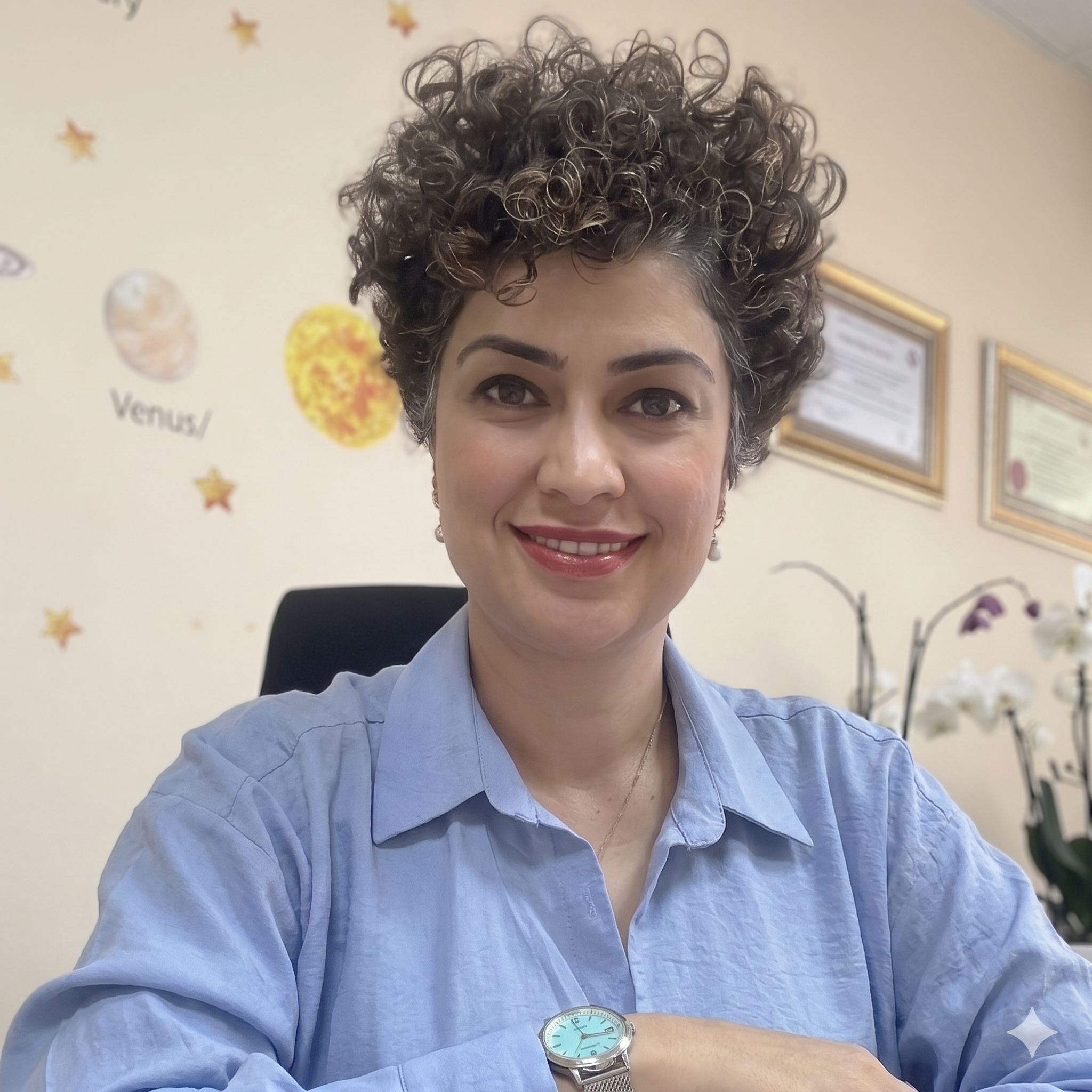
Doç. Dr. Mehtap Eroğlu
Associate Professor, Child and Adolescent Psychiatrist. Over 15 years of clinical experience. Ankara University Faculty of Medicine graduate.
View Full ProfileRelated Articles

Behavioral Disorders and Anger Management in Children: Comprehensive Parent Guide

Adolescent Depression: Comprehensive Parent Guide

Oppositional Defiant Disorder: A Comprehensive Guide for Your Constantly Arguing Child

What Does an Adolescent Psychiatrist Do? Mental Health in Adolescence

Adolescent Peer Relationship Counseling: A Comprehensive Guide for Parents