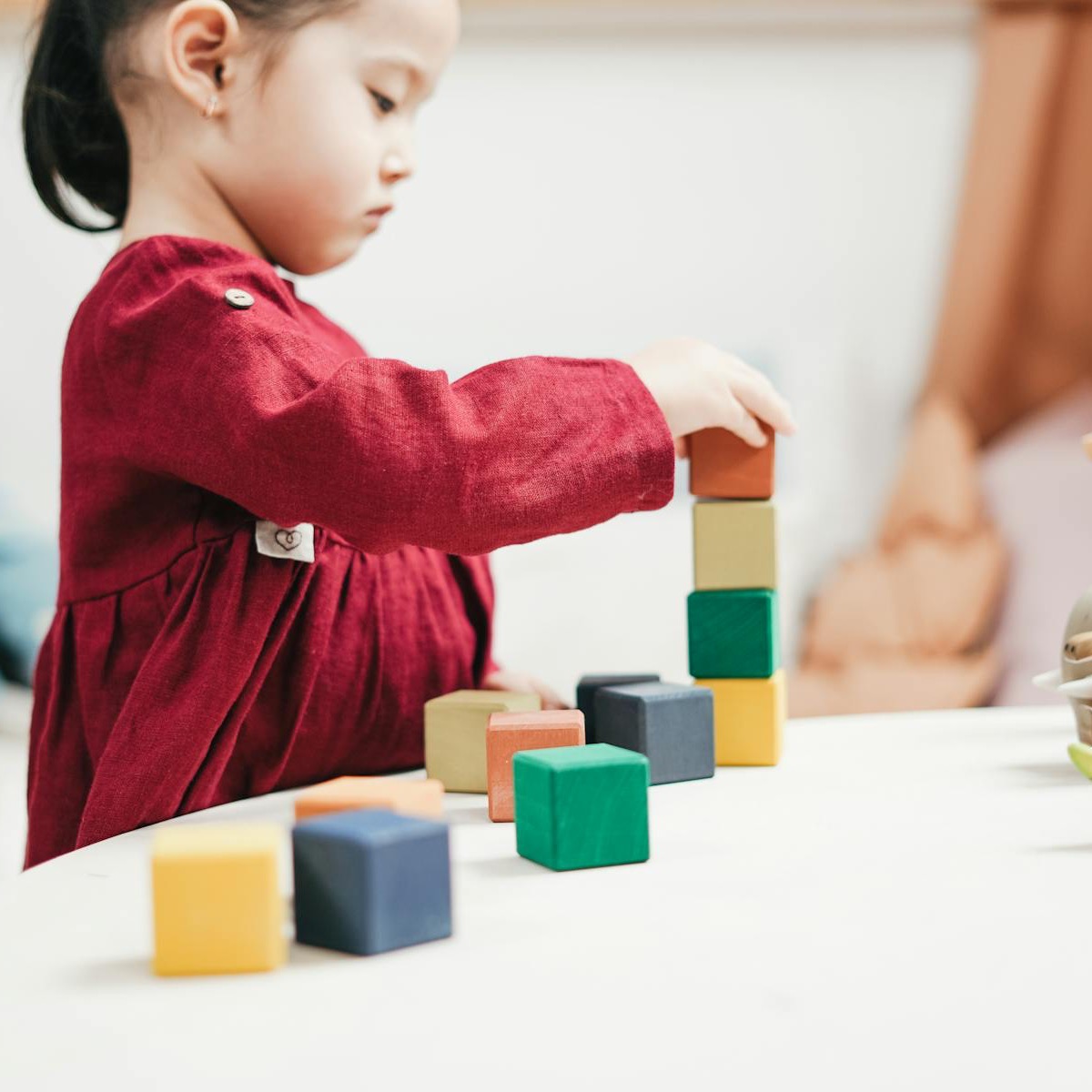


Family relationship problems, parental conflicts and attachment difficulties profoundly affect children's psychological development. Comprehensive evaluation of family dynamics and holistic treatment approach with Assoc. Prof. Mehtap Eroglu in Ankara.
Family Relationship Problems and Their Psychological Effects on Children: A Comprehensive Guide
The family is the most fundamental social unit for a child's development and the first and most powerful environment that shapes how a child understands the world. A safe, consistent, and loving family environment provides an indispensable foundation for a child's cognitive, emotional, and social development. However, when relationship problems, chronic conflicts, or loss of functionality within the family shake this foundation, the effects on children can be deep, multidimensional, and long-lasting.
Assoc. Prof. Dr. Mehtap Eroglu, a child and adolescent psychiatrist in Ankara, emphasizes that in a large portion of cases presenting to her clinic, family dynamics play a determining role in children's psychological problems. When evaluating a child's behavioral disorder, anxiety, or depression, it is impossible to formulate a correct diagnosis and treatment plan without understanding the family's functionality. Rapid urban transformation, economic pressures, long working hours, and social changes in Ankara make intra-family relationships increasingly complex.
This article comprehensively addresses the effects of family relationship problems on child psychology, how these effects can be understood from the perspective of attachment theory, children's reactions by age, protective strategies, and when to seek professional support. As Assoc. Prof. Dr. Mehtap Eroglu, through my years of clinical work in Ankara, I have repeatedly observed that taking a holistic approach to the family system multiplies the success of the child's treatment.
Key Points
- The risk of behavioral problems is 3 times higher and anxiety disorder risk 2 times higher in children exposed to chronic parental conflict; this risk is cumulative and long-term.
- Children may hold themselves responsible for problems that occur; this false belief is very common especially in the 3-8 age group and must be corrected.
- Disruption of attachment security can negatively affect not only the child's present but all future close relationships.
- Family relationship problems directly affect the child's school success, peer relationships, emotional regulation skills, and physical health.
- Family therapy with Assoc. Prof. Dr. Mehtap Eroglu in Ankara offers an integrated approach supporting the entire family system and enhances the effectiveness of the child's individual treatment.
Types and Dynamics of Intra-Family Conflict
Open Conflict
Open conflicts involving shouting, insult, threats, throwing objects, and physical violence are the type of conflict the child directly witnesses and have the highest psychological damage potential. A significant portion of cases presenting to child psychiatry clinics in Ankara have a history of exposure to this type of domestic violence or intense verbal conflict.
The effects of open conflict on the child are direct and severe:
- The child's stress hormones (cortisol, adrenaline) chronically elevate
- The "fight or flight" response becomes continuously activated
- The sense of security is fundamentally shaken
- Post-traumatic stress symptoms may develop
Assoc. Prof. Dr. Mehtap Eroglu in Ankara conducts trauma-focused evaluation in children exposed to open conflict, systematically screening for PTSD (Post-Traumatic Stress Disorder) symptoms.
Cold Conflict and Emotional Distance
"Cold conflict," manifesting as parents not speaking to each other, silent anger, ignoring each other, and living in the same house while being emotionally completely disconnected, deeply affects especially young children. Children sense this tension intuitively and generally look for the cause within themselves. Although cold conflict may not appear as dramatic as open conflict, its long-term effects can be extremely serious.
In a cold conflict environment, children:
- Begin to constantly monitor their parents' emotional state (hypervigilance)
- Become hypersensitive to "reading" the atmosphere at home
- Learn to suppress their own emotions
- Cannot see a healthy relationship model
Chronic Unhappiness and Dysfunctional Cohabitation
Chronic dissatisfaction between spouses, a loveless relationship, erosion of mutual respect, or emotional distance does not provide the child with a healthy relationship model. Children growing up in this environment grow with the belief that "this is what relationships are like" and may reproduce similar patterns in their own close relationships in later life. In my clinical practice in Ankara, I observe that the majority of patients experiencing relationship problems in adulthood grew up in this type of family environment during childhood.
Effects of chronic unhappy cohabitation on the child:
- Failure to develop the ability to show affection and closeness
- Distrust in relationships and fear of attachment
- Inability to express one's own needs
- Emotional numbness or excessively dependent relationship patterns
Parental Dysfunction
When one or both parents are unable to fulfill parenting functions due to mental illness (depression, bipolar disorder, personality disorder), substance use disorder, or severe stress, the child's basic care, safety, and emotional needs may not be met. Assoc. Prof. Dr. Mehtap Eroglu in Ankara addresses the parent's own treatment needs as an integral part of the process when evaluating the effect of parental dysfunction on the child.
Triangulation
This dynamic, known as "triangulation" in family therapy literature, involves parents drawing the child into their conflict rather than resolving it between themselves. The child is pushed into the role of mediator, messenger, person whose side is taken, or source of emotional support. This situation pushes the child's developmental needs to the background and places an age-inappropriate burden of responsibility.
Common forms of triangulation I frequently encounter in my clinic in Ankara:
- Making the child an "ally" of one parent
- Using the child as a means to gather information about the other parent
- Making the child a message carrier between parents
- Turning the child into an emotional caregiver for a parent (parentification)
Effects of Family Problems from the Perspective of Attachment Theory
Secure and Insecure Attachment
According to John Bowlby's attachment theory, the secure attachment relationship that a child forms with their parents is the cornerstone of psychological health. Attachment styles defined by Mary Ainsworth's "Strange Situation" experiment show the quality of the child's relationship with the parent and how this quality shapes the way the child perceives the world. Conflict or relationship problems between parents directly threaten this secure bond.
According to clinical observations made in Ankara, the following attachment styles are frequently seen in children growing up in dysfunctional family environments:
**Anxious (Ambivalent) Attachment:**
- Constant fear of abandonment and separation anxiety
- Feeling insecure even when near the parent
- Excessive dependency and clinginess
- Emotional dysregulation: both anger and dependency
- In adulthood: jealousy, need for control, relationship anxiety
**Avoidant Attachment:**
- Avoidance of emotional closeness and keeping distance
- Illusion of self-sufficiency
- Suppressing and hiding emotions
- "I don't need anyone" attitude
- In adulthood: avoidance of emotional intimacy, superficial relationships
**Disorganized Attachment:**
- Wanting to be close to the parent while also fearing them
- Inconsistent behavioral patterns
- Breakdown under stress (dissociative symptoms)
- The attachment style associated with the most serious psychological outcomes
- In adulthood: personality disorders, post-traumatic stress disorder risk
Assoc. Prof. Dr. Mehtap Eroglu emphasizes that systematic examination of the attachment pattern in child psychiatry evaluation in Ankara is the key to correctly directing the treatment plan.
Emotional Security Theory
The Emotional Security Theory developed by E. Mark Cummings and Patrick Davies is one of the most comprehensive models explaining how inter-parental conflict affects children. According to this theory, the child uses the relationship between parents as an indicator of their own emotional security. When parents conflict, the child's sense of emotional security is threatened, and the child develops various strategies to cope with this threat:
- **Overinvolvement:** Intervening in the conflict, mediating
- **Withdrawal:** Shutting themselves in their room, isolating themselves
- **Hostility:** Anger toward one or both parents
- **Emotion suppression:** Acting as if nothing happened
In family evaluations conducted with Assoc. Prof. Dr. Mehtap Eroglu in Ankara, the child's emotional security level and the strategies they have developed to maintain this level are systematically examined.
Psychological Effects of Family Problems on Children
Emotional Regulation Difficulties
Children chronically exposed to intra-family conflict may not be able to develop emotional regulation skills sufficiently. In a healthy family environment, the child learns to recognize, name, and manage their own emotions through the parent's consistent and responsive reactions. This process is called "co-regulation" and is the foundation for the child to eventually develop "self-regulation" skills.
In a conflicted family environment, this process is disrupted and the following symptoms may emerge in the child:
- Anger outbursts and aggressive behaviors: Overreacting to even the smallest frustration
- Excessive shyness and social anxiety: Constant fear of "doing something wrong"
- Emotional numbness (alexithymia): Inability to recognize and express emotions
- Hypersensitivity: Perceiving every criticism as a personal attack
- Inadequacy in self-soothing skills: Inability to calm down, inability to comfort oneself
In my clinical practice in Ankara, I observe that the vast majority of children with emotional regulation difficulties have significant relationship problems in their families. As Assoc. Prof. Dr. Mehtap Eroglu, I emphasize that family intervention is essential alongside individual therapy for these children.
School Success and Cognitive Development
Family problems can significantly affect a child's academic performance. Children under stress have reduced working memory capacity, shorter attention spans, weakened problem-solving skills, and decreased learning motivation. Chronic stress can negatively affect the development of the hippocampus and prefrontal cortex, the brain's centers for learning and memory.
A situation frequently encountered by school counselors in Ankara: Children struggling with family problems experience academic regression, but the problem is labeled as being "lazy" or "inattentive." Assoc. Prof. Dr. Mehtap Eroglu draws attention to the incorrectness of this labeling and the need to evaluate the underlying family dynamics. In our evaluation of children referred to our clinic in Ankara due to academic failure, we experience in every case that family functionality is a dimension that must be examined.
Behavioral Problems
Research shows that behavioral problems increase significantly in children exposed to intra-family conflict:
| Problem Type | In Conflicted Families | In Healthy Families |
|-------------|----------------------|---------------------|
| Aggressive behavior | 45% | 12% |
| School refusal | 32% | 5% |
| Lying | 38% | 10% |
| Theft | 18% | 3% |
| Self-harm | 12% | 2% |
| Peer bullying | 25% | 8% |
These behaviors are mostly a sign not that the child is "bad" but that they are in emotional pain and cannot express it appropriately. Assoc. Prof. Dr. Mehtap Eroglu in Ankara always evaluates behavioral problems as "communication" and tries to understand the underlying emotional need.
Physical Health Effects
In children exposed to chronic stress, the HPA (Hypothalamic-Pituitary-Adrenal) axis remains continuously active and cortisol levels run high. The physical consequences of this chronic stress response can be serious:
- Weakening of the immune system and frequent illness
- Frequent headaches and stomachaches (psychosomatic symptoms)
- Chronic sleep disorders: difficulty falling asleep, nightmares, night terrors
- Slowdown in growth and development
- Appetite changes: overeating or loss of appetite
- Enuresis (bedwetting) and encopresis
ACE (Adverse Childhood Experiences) studies have shown that children who experience intra-family conflict and violence have significantly increased risks of heart disease, diabetes, autoimmune diseases, and early death in adulthood.
Long-Term Effects: Intergenerational Transmission
Research shows that children chronically exposed to family conflict have in adulthood:
- 2-3 times higher risk of depression and anxiety disorder
- Significantly increased likelihood of experiencing relationship problems
- Elevated risk of substance use disorder
- Potential to repeat similar patterns in relationships with their own children (intergenerational transmission)
- Increased risk of developing personality disorders
Breaking this intergenerational transmission cycle is one of the most important clinical goals of Assoc. Prof. Dr. Mehtap Eroglu in Ankara. The parent developing awareness by understanding their own childhood experiences is the first step to stopping this cycle.
Children's Reactions by Age
0-2 Years (Infants)
Although infants cannot understand verbal conflict, they directly feel the tone of voice, tension, physical strain, and emotional state of the parents. In fact, infants are like a "barometer" of their parents' emotional state. Clinical symptoms:
- Excessive crying, restlessness, and inability to be soothed
- Suckling difficulties and feeding problems
- Sleep irregularity: frequent waking, restless sleep
- Physiological irregularity: digestive problems, frequent vomiting
- Failure to thrive
- Attachment difficulties: avoiding eye contact, stiffening when held
Assoc. Prof. Dr. Mehtap Eroglu in Ankara emphasizes that infants in the 0-2 age group are extremely sensitive to stress in the family environment and that damage sustained during this period can affect long-term neurocognitive development.
3-6 Years (Preschool)
At this age, children interpret events egocentrically, centering themselves. Thoughts like "Mom and Dad are fighting because I am a bad child" frequently develop. Because they are in the magical thinking period, they may believe that their own behavior can influence the parents' relationship.
- Regression: Loss of acquired skills — bedwetting, thumb sucking, baby talk
- Intense separation anxiety: Strongly refusing to separate from the parent
- Sleep problems: Nightmares, night fears, inability to sleep alone
- Violence and conflict themes in play: The child expresses experienced stress through play
- Timidity and social withdrawal
7-12 Years (School Age)
Children in this period understand the situation better but often feel responsible and take on a task that exceeds them, like "I should reconcile my parents." Somatization (expression of psychological stress through physical symptoms) is very common in this age group.
- Efforts to reconcile the family and trying to be a "perfect child"
- Attention problems and decline in school success
- Psychosomatic symptoms: Persistent headache, stomachache, nausea
- Supporting one parent by "taking sides" and anger toward the other
- Difficulty in peer relationships: Either excessively compliant or aggressive behavior
- School phobia and absenteeism
13-18 Years (Adolescents)
Although adolescents can evaluate family problems at a more abstract level, this family crisis occurring at the most critical period of identity development affects them most deeply. The adolescent already in the process of becoming independent feels as though they have lost their safe harbor with family chaos.
- Running away from home or completely withdrawing into the home
- Escape to peer groups, negative peer selection: Seeking the bond not found in the family outside
- Risk of substance use: An attempt to cope with emotional pain
- Early sexual activity: An attempt to meet attachment needs incorrectly
- Intense anger and family-wide evaluations
- Hopelessness about their own future relationships: "I will have a marriage like this too"
- Suicidal thoughts and risk of self-harm
Child Protection Strategies: A Guide for Parents
Keeping Conflict Away from the Child
The most fundamental recommendation of Assoc. Prof. Dr. Mehtap Eroglu and her child psychiatrist colleagues in Ankara: Not letting conflicts occur in the child's presence. While research shows that children sense tension at home even if they don't hear parents arguing, the effect of direct witnessing is far more devastating.
Practical recommendations:
- Having discussions after the child is asleep, in a location away from the child
- Not criticizing or demeaning each other in front of the child
- Not using the child as a mediator; avoiding expressions like "Go tell your father..."
- Not forcing the child to take sides; not subjecting them to "Is Mom or Dad right?"
- Absolutely not using the child as a "weapon"; avoiding threats like "Tell your father I will never see you again"
Providing Consistent and Loving Care
Both parents should continue to behave consistently, predictably, and lovingly toward the child despite marital problems. This is the most critical element in preserving the child's sense of security. Assoc. Prof. Dr. Mehtap Eroglu in Ankara gives parents the message: "Separate your marital role from your parenting role." You may have problems with your spouse, but your responsibilities as your child's mother or father continue.
Helping the Child Recognize and Manage Their Emotions
Open, age-appropriate conversations such as "Sometimes there can be tensions at home, this may be upsetting you. These feelings are normal and understandable. You can talk to me about this" make the child feel they are not alone and reduce the need to suppress emotions.
Practical methods for emotional support:
- Help the child name their emotions: "Are you angry?", "You might be feeling sad"
- Emphasize that emotions are not "good" or "bad," all are normal
- Accept emotions without judgment: "Being angry is normal; what matters is what we do"
- Teach calming strategies: Deep breathing, counting, withdrawing to a safe place
Maintaining Routine and Predictability
During periods of chaos, routines give the child a sense of security. Meal times, sleep schedule, school program, and weekend activities should be preserved as much as possible. In my work with families in Ankara, I observe that maintaining routine significantly reduces the child's anxiety level.
Addressing the Child's Guilt
Children especially in the 3-10 age group may hold themselves responsible for their parents' problems. The thought "If I were better behaved, they wouldn't fight" is very common. To correct this false belief:
- Give the message "This is absolutely not your fault" frequently, clearly, and consistently
- Use the expression "Problems between Mom and Dad are grown-up problems"
- Gently indicate that the child cannot "solve the problem by behaving well"
Family Therapy: When, How, How Long?
Family Therapy Indications
Family therapy should be considered in the following situations:
- Parental conflict is disrupting the child's daily functioning (school, friends, sleep, eating)
- Significant psychological symptoms are emerging in the child
- Communication has completely broken down or is stuck in destructive patterns
- One or both parents are receiving psychiatric support
- A separation or divorce process is being experienced
- The child is being pushed into a "mediator" or "messenger" role between parents
- Signs of triangulation or parentification are present
Family Therapy Approaches
Family therapy at Assoc. Prof. Dr. Mehtap Eroglu's clinic in Ankara integrates various approaches according to the family's needs:
**Structural Family Therapy (Minuchin):** Identifies boundary violations, hierarchy disruptions, and coalitions in the family structure and reorganizes the family structure. Especially effective for triangulation and parentification problems.
**Systemic Family Therapy:** Treats the family as a system; examines how each member's behavior affects other members. An approach frequently used in our family therapy sessions in Ankara.
**Gottman Couples Therapy:** An evidence-based approach to improving communication patterns between parents and breaking the criticism-defensiveness-stonewalling-contempt cycle.
**Attachment-Based Family Therapy:** Focuses on strengthening the parent-child attachment relationship.
Family Therapy Process
Family therapy at Assoc. Prof. Dr. Mehtap Eroglu's clinic in Ankara includes the following stages:
1. **Individual evaluation:** Each family member interviewed separately, understanding individual needs and perspectives
2. **Family session:** The whole family together, observing communication patterns in a safe environment
3. **Couples work:** Developing communication and conflict resolution skills specific to parents
4. **Child therapy:** Individual psychotherapy with the child — play therapy, CBT, or EMDR
5. **Psychoeducation:** Information sessions for the family on the child's developmental needs, attachment, and communication
Duration generally varies between 10-20 sessions at one session per week; however, it may extend or shorten according to the family's needs.
Comprehensive Evaluation with Assoc. Prof. Dr. Mehtap Eroglu
If psychological symptoms related to intra-family relationship problems are observed in your child in Ankara, the comprehensive evaluation process of Assoc. Prof. Dr. Mehtap Eroglu is conducted with a multidimensional approach.
Evaluation Dimensions
- **Individual psychiatric interview with the child:** The child's mood, anxiety level, trauma symptoms, and attachment pattern are evaluated
- **Separate interviews with parents:** Each parent's perspective, their own mental health, and parenting skills are addressed
- **Family functioning scales:** Family dynamics are objectively evaluated with standardized tools such as the McMaster Family Assessment Device
- **Child's developmental history:** The developmental process from prenatal to present is examined in detail
- **School information and teacher opinions:** Academic and social functioning, peer relationships are evaluated
- **Neuropsychological tests when necessary:** Attention, memory, and executive function screening is conducted
Treatment Options
- Individual psychotherapy for the child: Play therapy (ages 3-8), CBT (ages 8+), EMDR (in case of trauma)
- Parent counseling: Parenting skills, communication, and attachment strengthening
- Family therapy: Supporting the entire family system
- Couples therapy: Improving the relationship between parents
- Pharmacological support when necessary: For the child's anxiety, depression, or ADHD symptoms
Among the most frequently expressed complaints of families in Ankara presenting to Assoc. Prof. Dr. Mehtap Eroglu are "problems started occurring for our child at school, and they became very aggressive at home." In the vast majority of these applications, evaluating family dynamics is critically important for making sense of the child's problem and planning effective treatment.
Self-Care Recommendations for Parents
To be able to care well for your child, the parent must first take care of themselves. The airplane instruction "put on your own mask first" also applies to parenting. Assoc. Prof. Dr. Mehtap Eroglu in Ankara offers the following recommendations to parents:
- Do not hesitate to receive individual psychotherapy or psychiatric support; seeking support is a sign of strength
- See couples therapy not as weakness but as the most valuable investment in the relationship
- Strengthen your social network where you can receive support: Friends, family, communities
- Pay attention to your physical health: Sleep, nutrition, exercise
- You don't have to be a "perfect parent"; being "good enough" is sufficient
- Recognize and manage your own emotional reactions
- Integrate stress management techniques (mindfulness, breathing exercises) into your daily life
When Is Emergency Help Needed?
In the following situations, it is necessary to urgently consult Assoc. Prof. Dr. Mehtap Eroglu in Ankara or apply to emergency services:
- Suicidal thoughts or attempts in the child
- Self-harm behaviors
- Exposure to physical violence
- Serious regression: Loss of acquired skills
- Psychotic symptoms: Disconnection from reality, hallucinations
Conclusion
Family relationship problems can profoundly affect a child's psychological development. However, this effect is not inevitable. Timely proper support, strengthening of protective factors, and holistic treatment of the family system can largely protect the child from the negative effects of this process.
In Ankara, Assoc. Prof. Dr. Mehtap Eroglu serves as an experienced child and adolescent psychiatrist in evaluating the effects of family dynamics on the child and providing appropriate support to each family member. Breaking intergenerational negative patterns is the most valuable investment you can make for your child.
If you notice concerning changes in your child or family dynamics, do not hesitate to contact our clinic in Ankara. Early intervention will positively shape both your child's and your family's future.
Frequently Asked Questions
Ebeveynler arasındaki çatışma çocuğu her zaman etkiler mi?
Her çatışma çocuğu olumsuz etkilemez. Belirleyici faktörler çatışmanın sıklığı, yoğunluğu, çocuğun önünde yaşanıp yaşanmadığı ve çatışmanın nasıl çözümlendiğidir. Yapıcı biçimde çözülen ve çocuğun görmediği çatışmalar zararsız olabilir. Ancak kronik, yoğun ve çözümsüz çatışmalar çocuğun duygusal güvenliğini ciddi biçimde tehdit eder. Ankara'da Doç. Dr. Mehtap Eroğlu, aile değerlendirmesinde bu faktörlerin tümünü sistematik olarak inceleyerek çatışmanın çocuk üzerindeki gerçek etkisini belirler.
Çocuğum aile sorunlarından etkilendiğini nasıl anlarım?
Okul başarısında ani düşüş, uyku bozuklukları (kabuslar, gece korkuları, uykuya dalma güçlüğü), aşırı sinirlilik veya içe kapanma, sık sık karın ağrısı veya baş ağrısı gibi psikosomatik belirtiler, daha önce kazanılmış becerilerin kaybı (regresyon), ayrılık kaygısı ve yapışkanlık, agresif davranışlar veya akran ilişkilerinde bozulma başlıca işaretlerdir. Bu belirtileri fark ettiğinizde Ankara'da Doç. Dr. Mehtap Eroğlu ile görüşmeniz önerilir.
Aile sorunlarını çocuğuma nasıl anlatmalıyım?
Yaşa uygun, basit ve dürüst bir dil kullanın. Çocuğunuzun suçlu olmadığını açıkça ve tekrar tekrar belirtin. 3-6 yaş için 'Bazen büyükler de anlaşamayabiliyor, ama seni çok seviyoruz' gibi ifadeler yeterlidir. 7-12 yaş için biraz daha detay verilebilir. Her yaşta, çocuğun sorularını dürüstçe yanıtlayın ve duygularını ifade etmesine izin verin. Doç. Dr. Mehtap Eroğlu, Ankara'daki ebeveyn danışmanlığı seanslarında bu konuşmaların nasıl yapılacağını ailelere pratik biçimde öğretmektedir.
Aile terapisi ne kadar sürer ve nasıl işler?
Aile terapisinin süresi, sorunun niteliğine ve ailenin ihtiyaçlarına göre değişir. Genellikle haftada bir saat olmak üzere 10-20 seans arasında sürebilir. Süreç bireysel değerlendirmelerle başlar, ardından aile oturumları, çift çalışması ve çocuk terapisi bir arada yürütülür. Ankara'da Doç. Dr. Mehtap Eroğlu, ilk değerlendirmenin ardından tahmini süreç ve hedefler hakkında aileyi detaylı biçimde bilgilendirir.
Eşimle sorunlarımız varken çocuğuma nasıl iyi bir ebeveyn olabilirim?
En kritik adım, evlilik sorunlarını ebeveynlik rolünden mümkün olduğunca ayırmaktır. Çatışmaları çocuğun önünde yaşatmayın, tutarlı ve sevgi dolu davranmaya devam edin, rutinleri koruyun. Çocuğu taraf tutmaya zorlamayın ve onu duygusal destek kaynağınız olarak kullanmayın. Kendi duygusal sağlığınıza yatırım yapın; iyi bir ebeveyn olabilmek için önce kendinize iyi bakmanız gerekir. Ankara'da Doç. Dr. Mehtap Eroğlu ile ebeveyn danışmanlığı bu konuda somut stratejiler sunar.
Çocuğum beni ya da eşimi taraf tutmaya zorluyor, ne yapmalıyım?
Bu çok yaygın bir durumdur ve aslında çocuğun kontrolsüz bir durumda kontrol sağlama girişimidir. Çocuğunuza 'Her ikinizi de seviyorum, bu bizim büyüklerin meselesi' diyerek net bir mesaj verin. Çocuğu iki ebeveyn arasında arabulucu, mesajcı ya da duygusal destek kaynağı olarak kullanmaktan kesinlikle kaçının. Bu durum devam ediyorsa, Ankara'da Doç. Dr. Mehtap Eroğlu ile aile terapisi değerlendirilmelidir.
Eşimle ayrılmayı düşünüyorum ama çocuğa etkisi konusunda endişeleniyorum, ne yapmalıyım?
Araştırmalar, kronik çatışmalı bir evliliğin çocuk üzerindeki etkisinin sağlıklı yönetilen bir ayrılıktan daha zararlı olabileceğini göstermektedir. Belirleyici olan ayrılığın kendisi değil, nasıl yönetildiğidir. Ankara'da Doç. Dr. Mehtap Eroğlu ile görüşerek çocuğunuz için en sağlıklı süreci nasıl yönetebileceğinizi, ayrılık öncesi ve sonrasında çocuğu nasıl destekleyebileceğinizi öğrenebilirsiniz.
Ankara'da aile terapisi ve çocuk psikiyatrisi için nereye başvurmalıyım?
Ankara'da Doç. Dr. Mehtap Eroğlu, çocuk psikiyatrisi, aile terapisi ve ebeveyn danışmanlığı konusunda kapsamlı hizmet sunmaktadır. Çocuğun bireysel değerlendirmesinin yanı sıra aile oturumları, çift terapisi ve ebeveyn psikoeğitimi de kliniğimizde gerçekleştirilmektedir. İletişim sayfamızdan randevu alabilirsiniz. Erken başvuru, hem çocuğunuzun hem de ailenizin iyilik halini destekler.
References
- Bowlby, J. (1969). Attachment and Loss, Vol. 1: Attachment. Basic Books
- Cummings, E. M., & Davies, P. T. (2010). Marital Conflict and Children: An Emotional Security Perspective. Guilford Press
- Grych, J. H., & Fincham, F. D. (1990). Marital conflict and children's adjustment: A cognitive-contextual framework. Psychological Bulletin, 108(2), 267-290. doi:10.1037/0033-2909.108.2.267
- Harold, G. T., Leve, L. D., & Sellers, R. (2017). How interparental conflict affects children's and adolescents' development. Child Development Perspectives, 11(1), 26-31. doi:10.1111/cdep.12206
- Ainsworth, M. D. S., Blehar, M. C., Waters, E., & Wall, S. (1978). Patterns of Attachment: A Psychological Study of the Strange Situation. Lawrence Erlbaum Associates
- Felitti, V. J., Anda, R. F., Nordenberg, D., et al. (1998). Relationship of childhood abuse and household dysfunction to many of the leading causes of death in adults. American Journal of Preventive Medicine, 14(4), 245-258. doi:10.1016/S0749-3797(98)00017-8
- Minuchin, S. (1974). Families and Family Therapy. Harvard University Press
- Repetti, R. L., Taylor, S. E., & Seeman, T. E. (2002). Risky families: Family social environments and the mental and physical health of offspring. Psychological Bulletin, 128(2), 330-366. doi:10.1037/0033-2909.128.2.330
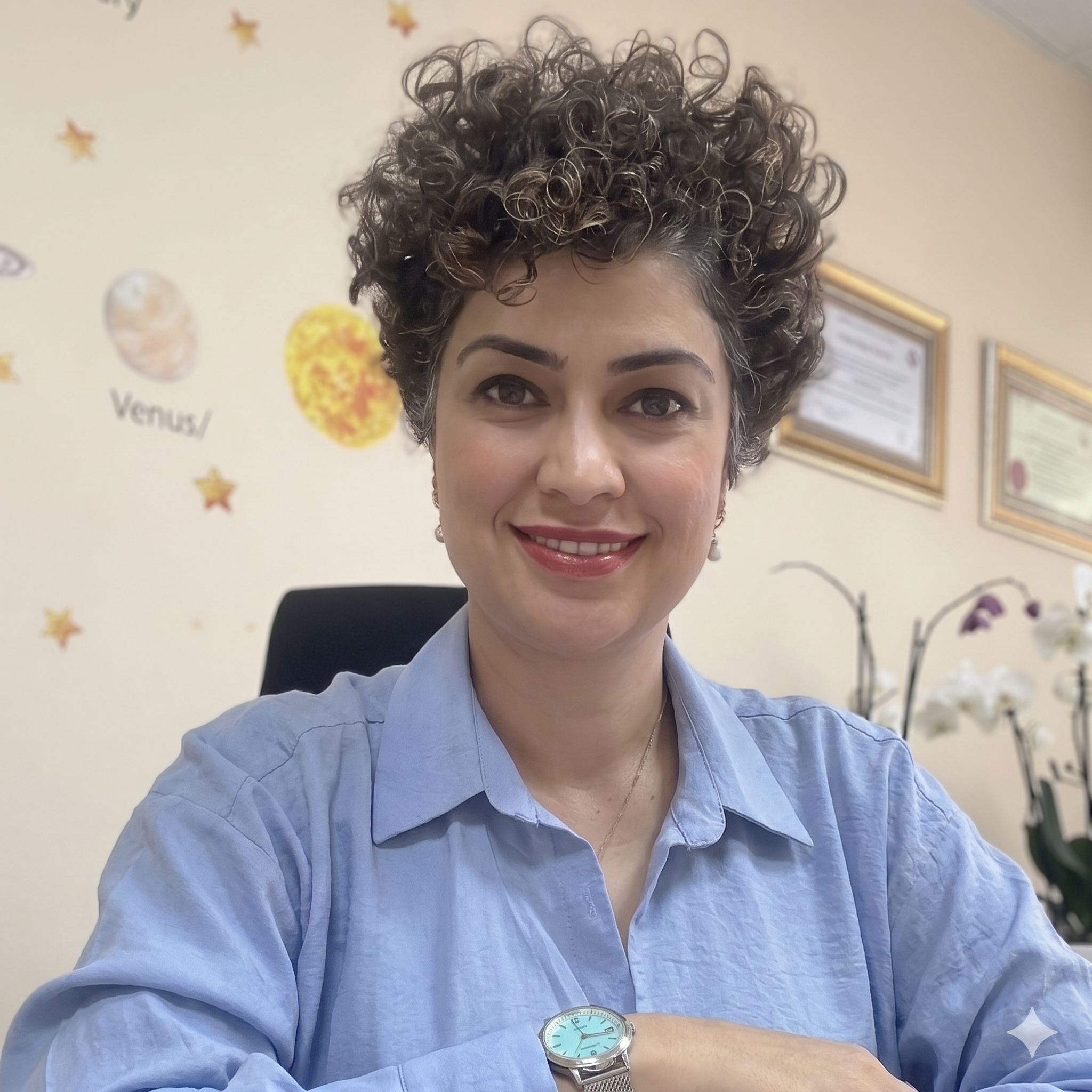
Doç. Dr. Mehtap Eroğlu
Associate Professor, Child and Adolescent Psychiatrist. Over 15 years of clinical experience. Ankara University Faculty of Medicine graduate.
View Full ProfileRelated Articles
Sleep Disorders in Children: Diagnosis, Causes and Treatment Guide

Screen Addiction in Children: Practical Solution Guide for Parents

When Should You Take Your Child to a Child Psychiatrist?
Parenting Counseling Service: Scientific Guidance for Child Development
Sleep Disorders in Children: Comprehensive Parent Guide